Staying Active After 60 in Istanbul: Science-Backed Tips
How to maintain mobility on Istanbul's hills. Evidence-based exercises for seniors, best local walking routes from Ortaköy to Bebek, and strength training without gym membership.
How to maintain mobility on Istanbul's hills. Evidence-based exercises for seniors, best local walking routes from Ortaköy to Bebek, and strength training without gym membership.
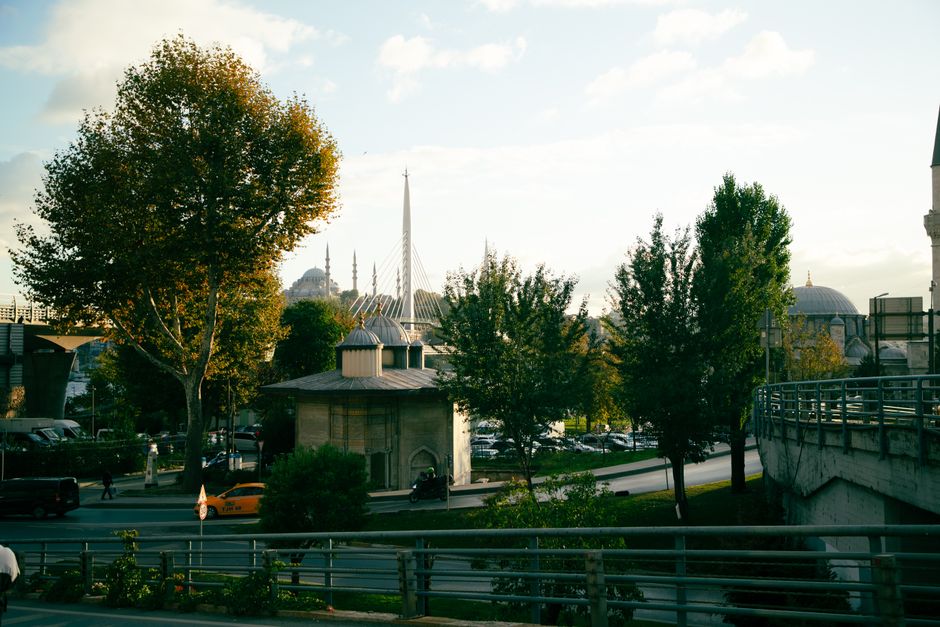
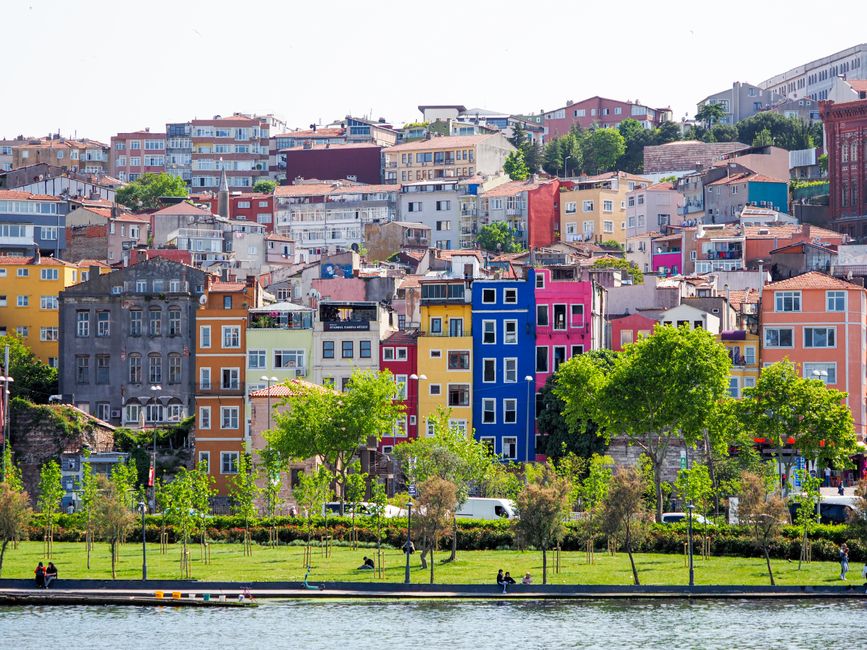
Istanbul's hills are unforgiving. The cobblestones of Balat, the stairs between Cihangir and Galata Tower, the relentless inclines of Belgrad Forest—this city demands mobility from its residents, especially those over 60. Yet recent research from Istanbul's Acibadem network and international gerontology studies reveals that targeted, locally adapted movement strategies can preserve independence and function far better than generic gym routines.
The evidence starts with walking. A 2024 study tracking seniors across Mediterranean cities found that daily walking on varied terrain—exactly what Istanbul offers—builds functional leg strength more effectively than flat treadmill work. The Bosphorus running path from Ortaköy to Bebek, roughly 5 kilometres of gentle incline, has become a de facto wellness corridor. Walking this route 3-4 times weekly, at whatever pace feels sustainable, trains the stabiliser muscles needed for real-world navigation. The key: consistency matters more than intensity. Aim for 150 minutes of moderate activity weekly—achievable through two-hour Sunday walks combined with daily neighbourhood errands.
Turkish bath culture offers an underutilized mobility advantage. The hammam's warm environment reduces joint stiffness, while moving through the ritual naturally incorporates gentle stretching and weight-bearing movement. Research from Ankara's sports medicine departments shows regular hammam visits (once or twice weekly) correlate with improved joint flexibility in older adults. A traditional hammam session in Fatih or Beyoğlu costs 50-80 Turkish lira—substantially cheaper than physiotherapy while addressing movement quality.
Strength training needn't mean weights. Resistance bands—available in Istanbul's sports stores for under 100 lira—provide effective muscle-building stimulus in your home or even a park. Body-weight exercises like step-ups on stairs (abundant everywhere) and wall push-ups require no equipment. The rule: work with major muscle groups twice weekly, allowing recovery days between sessions. Leg strength specifically protects against falls on Istanbul's unforgiving streets.
Balance work deserves dedicated attention. Standing on one leg while making tea, practising heel-to-toe walking along a straight line, or using a counter for support during simple yoga poses train the vestibular system. Studies show just 10 minutes daily of balance-focused movement cuts fall risk by nearly 30 per cent.
Finally, social connection amplifies results. Walking groups in Belgrad Forest, tai chi classes at neighbourhood community centres, or simply establishing routine café visits along your walking route make movement sustainable. Turkish tea culture's social foundation turns wellness into daily habit rather than obligation.
Active ageing in Istanbul isn't about fighting the city's demands—it's about using them strategically. Consult your doctor before starting any new exercise programme.
This article was compiled by AI from the sources linked above and screened before publishing. See our editorial standards.
How does this story make you feel?
Spread the word
About this article
Published by The Daily Istanbul
Daily brief
Free, in your inbox before 7am. Weekdays.
More in Wellness