Beat Istanbul's Heat: 5 Science-Backed Sleep Tips
Managing summer temperatures and humidity requires specific strategies. Here's what research says works best for Istanbul's climate.
Managing summer temperatures and humidity requires specific strategies. Here's what research says works best for Istanbul's climate.
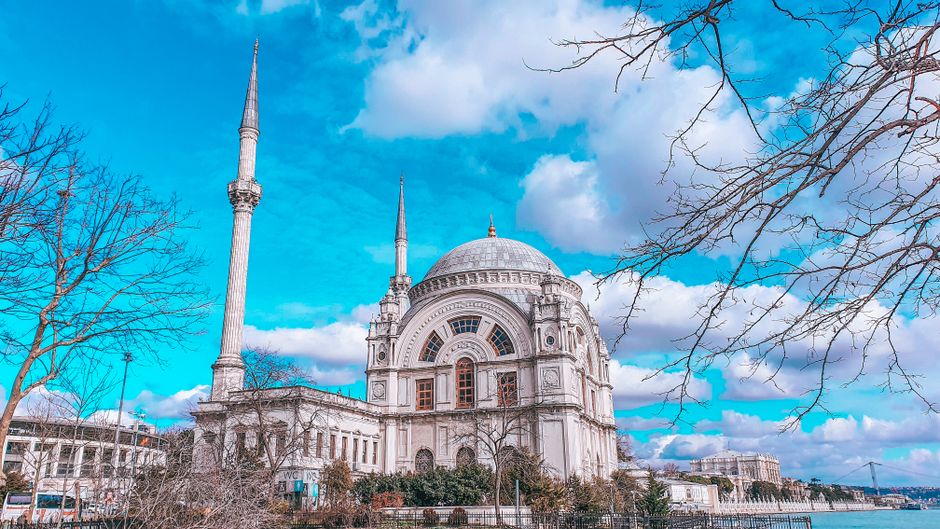
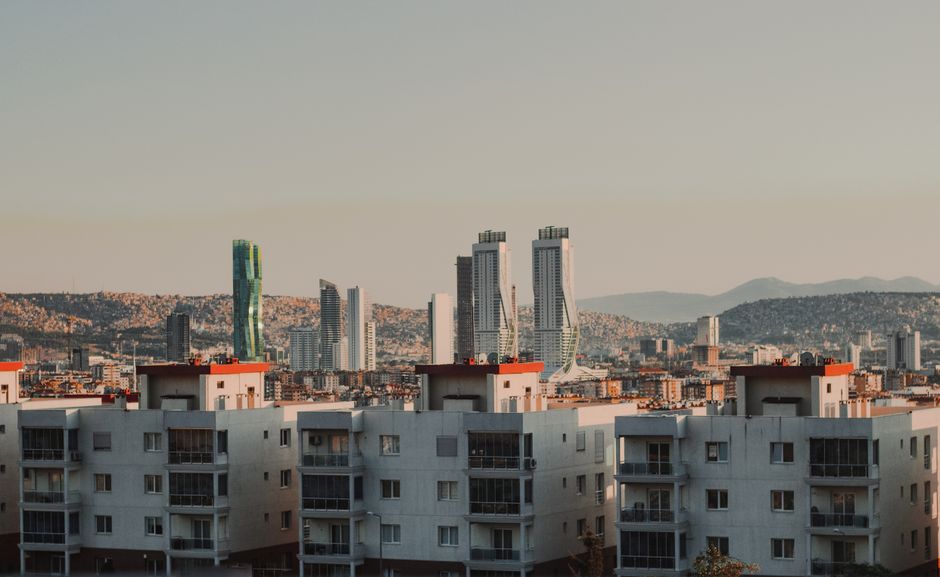
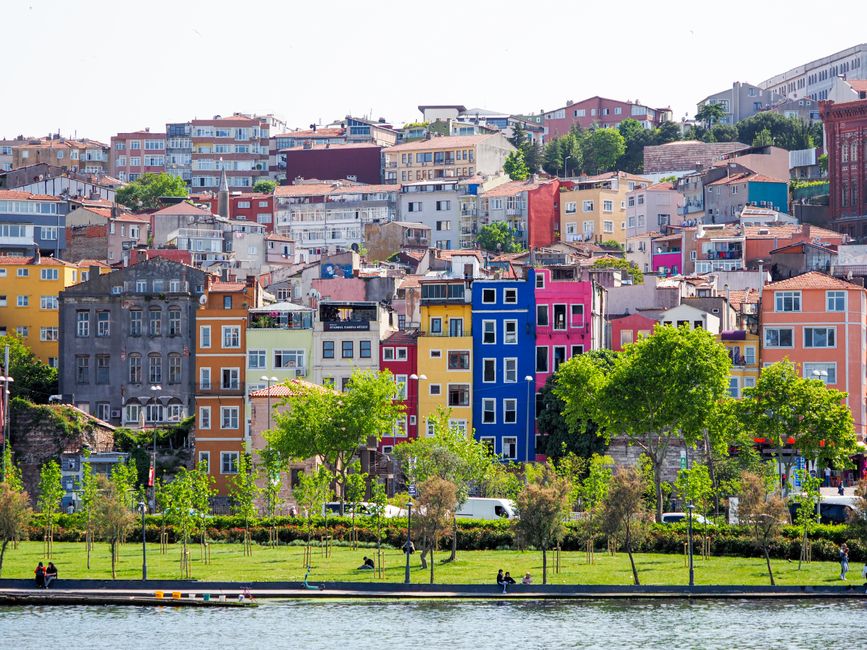
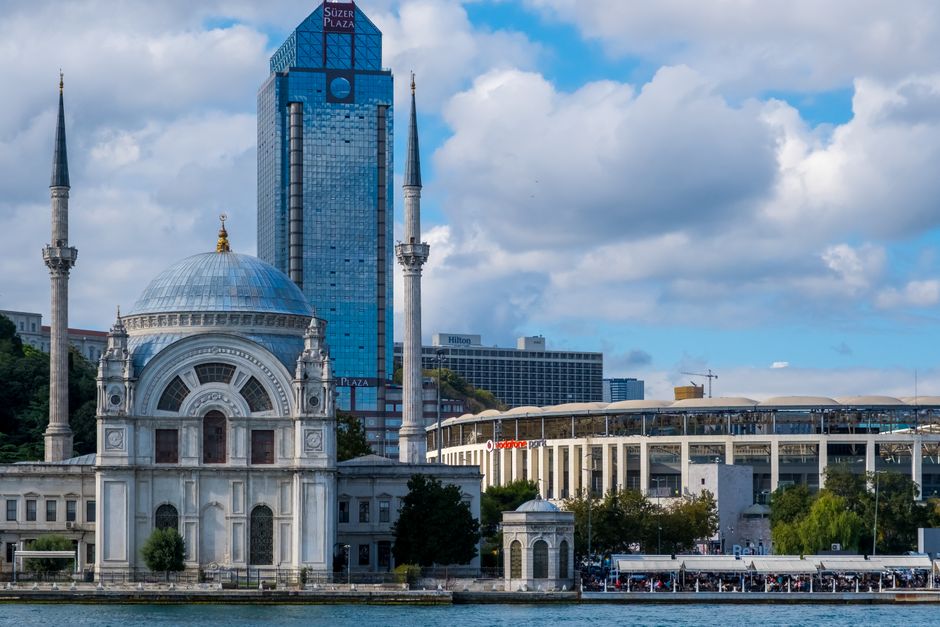
Istanbul's humid summers and bustling urban rhythm create genuine sleep challenges. When temperatures regularly exceed 28°C from June through September, and the Bosphorus breeze doesn't always cooperate, generic sleep advice falls flat. Local sleep patterns matter—and so does science that accounts for our climate.
The evidence is clear: heat disrupts sleep architecture. Our core body temperature naturally drops before sleep, but Istanbul's summer humidity prevents efficient cooling. The solution isn't exotic—it's practical. Research supports sleeping with cotton bedding (breathable and locally affordable at any Cevahir or Galleria outlet), keeping bedroom windows open during dawn hours when air is coolest, and limiting evening tea intake after 5pm. Yes, Turkish tea culture is central to our social wellness, but timing matters. The caffeine in even weak black tea can linger six to eight hours.
Light pollution compounds the problem. If you live near Istiklal Caddesi, Levent, or Besiktaş where street lighting is intense, blackout curtains aren't luxury—they're functional sleep medicine. Studies show even dim ambient light suppresses melatonin production by 50 percent. The cost? Around 200-400 TL for quality options at home improvement stores in Aksaray or online.
Istanbul's social wellness culture offers underutilized sleep benefits. The hammam tradition—still practiced at facilities like Çemberlitaş or throughout Fatih—promotes deep relaxation through heat exposure followed by cooling. When timed three to four hours before bed, this mimics the body's natural pre-sleep temperature drop, improving sleep onset. Belgrad Forest hiking, accessible via metro to Bahçeköy, offers another evidence-backed approach: morning sunlight exposure (before 10am) resets your circadian rhythm, making evening sleep deeper. Even 30 minutes works.
The data on Istanbul specifically: A 2024 regional health survey found 41 percent of residents report poor sleep quality, with heat and noise cited as primary factors. The solution isn't medication—it's environmental control and timing.
Consistency matters most. Your body's 24-hour clock doesn't know weekends. Even in summer, maintaining a sleep window between 11pm and 7am trains your system for better rest. During Ramadan, when sleep schedules shift dramatically, gradually adjusting bedtimes over several days—rather than abrupt changes—preserves sleep quality according to sleep chronobiology research.
If sleep problems persist despite these adjustments, Acibadem's sleep medicine clinic or similar departments at major Istanbul hospitals offer evidence-based assessment. But for most of us navigating summer in this city, the solution is simpler: respect your climate, use your cultural wellness traditions strategically, and prioritize consistency over perfection.
This article was compiled by AI from the sources linked above and screened before publishing. See our editorial standards.
How does this story make you feel?
Spread the word
About this article
Published by The Daily Istanbul
Daily brief
Free, in your inbox before 7am. Weekdays.
More in Wellness