Istanbul Builds Mental Health Infrastructure as Wellness Booms
Turkey's largest city embraces meditation studios and therapy while reviving ancient wellness practices to address rising stress and anxiety.
Turkey's largest city embraces meditation studios and therapy while reviving ancient wellness practices to address rising stress and anxiety.
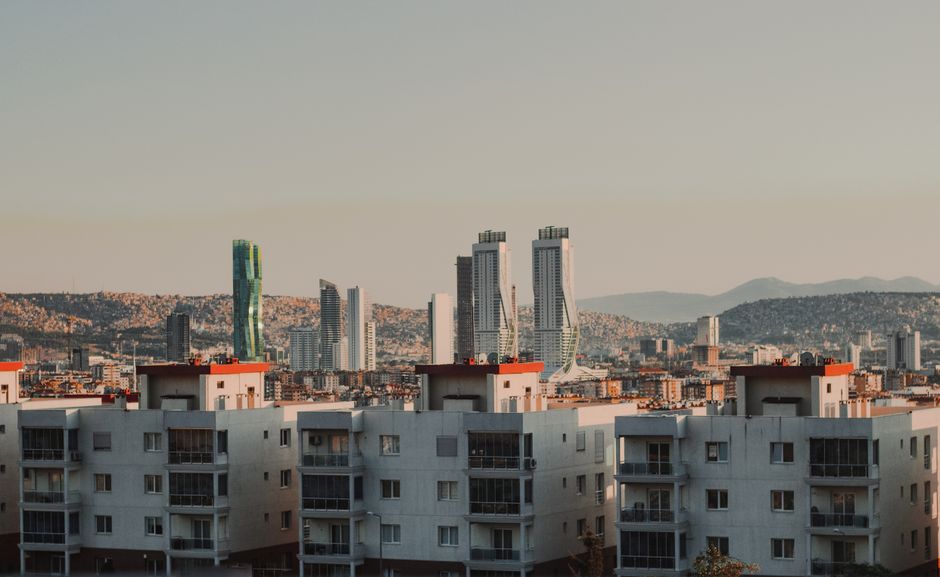
Walk through Bebek on a Sunday morning and you'll spot joggers tackling the Bosphorus path, their faces flushed with endorphins. But ask them what they're doing for stress management beyond exercise, and the answers reveal a telling gap: Istanbul's wellness culture is in transition.
Globally, the mindfulness market hit $4.2 billion in 2024, driven by meditation apps, corporate wellness programs, and dedicated studios in cities like New York and London. Istanbul, a metropolis of 15 million under constant flux, has historically relied on different coping mechanisms: the ritualistic comfort of Turkish tea, the communal warmth of hammams, and the meditative rhythm of Istanbul's famous bazaars. Yet formal mental health infrastructure remains underdeveloped. According to recent Turkish health ministry data, roughly 40% of Istanbul's population experiences work-related stress, yet only 12% actively pursue structured stress-management practices.
The shift is accelerating, though unevenly. Cihangir and Besiktaş now host a handful of yoga studios and meditation centers—a rarity just five years ago—charging 400–600 TL per class. Apps like Insight Timer have gained traction among younger professionals, while psychotherapy has shed much of its stigma, particularly in affluent neighborhoods. Acibadem's mental health clinics report a 30% increase in mindfulness and cognitive behavioral therapy referrals since 2023.
Yet traditional approaches persist and thrive. A 2025 Istanbul wellness survey found that 67% of respondents still view hammam visits as their primary stress-relief ritual, while morning tea culture remains non-negotiable social wellness for millions. The Belgrad Forest, just north of the city, attracts thousands weekly—less for formal hiking clubs than for the quiet, restorative effect of green space itself.
The real story isn't that Istanbul is abandoning its heritage for Western trends. Rather, a hybrid model is emerging. Digital-savvy residents blend apps with tea ceremonies; corporate teams now book both meditation instructors and traditional hammam experiences. Mental health NGOs like the Turkish Psychological Association are training practitioners in culturally adapted mindfulness, acknowledging that a breathing exercise rooted in Turkish Sufi tradition may resonate differently—and more effectively—than generic app guidance.
For visitors and residents alike, the takeaway is clear: Istanbul's stress-management evolution reflects a city comfortable borrowing from everywhere while staying rooted in somewhere. That balance, itself, might be the wellness trend worth following.
This article was compiled by AI from the sources linked above and screened before publishing. See our editorial standards.
How does this story make you feel?
Spread the word
About this article
Published by The Daily Istanbul
Daily brief
Free, in your inbox before 7am. Weekdays.
More in Wellness