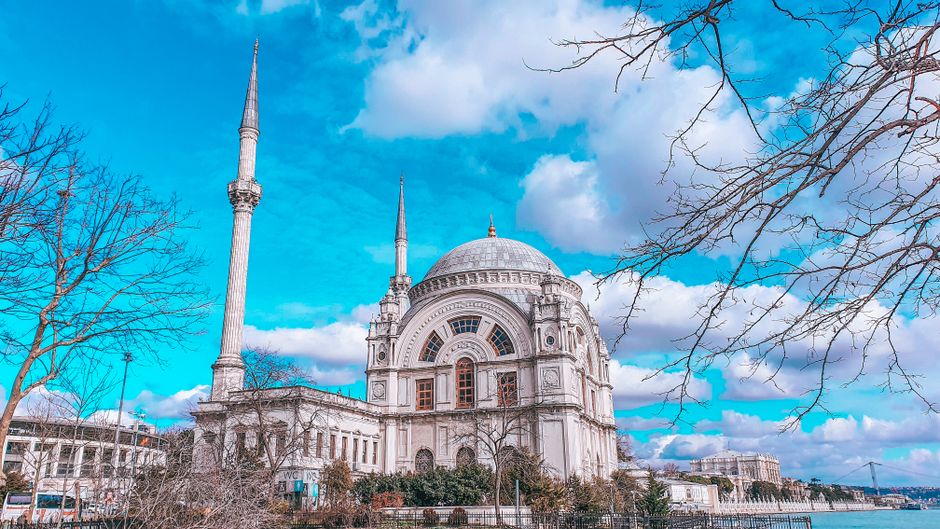
Five years ago, spotting a runner on the Bosphorus waterfront path was unusual enough to warrant a second glance. Today, dawn and dusk bring dozens of joggers to the promenade stretching from Ortaköy to Bebek, their presence a visible marker of Istanbul's quiet fitness revolution.
The transformation reflects a broader pattern. Running clubs have proliferated across the city's central districts—Kadıköy, Beşiktaş, and Cihangir now host weekly group runs that attract professionals, students, and retirees seeking structured outdoor exercise. Social media has amplified this shift: hashtags dedicated to Istanbul running routes accumulate thousands of posts monthly, with the Belgrad Forest (Belgrat Ormanı) emerging as the unofficial epicenter for trail running enthusiasts seeking distance and elevation change away from the city's heat-retaining streets.
What's driving the trend? Partly, it's practical. Gym memberships in central Istanbul typically run 400–600 Turkish lira monthly, while organized outdoor running groups remain free or heavily subsidized. Partly, it's cultural—the hammam tradition already embedded wellness into Istanbul's social fabric, and running communities have tapped into that same desire for communal health practices. The city's geography helps too: the seven hills that historically defined Istanbul now serve runners as natural interval-training grounds.
Local fitness organizations have noticed. Several established training platforms now offer curated running routes with difficulty ratings, and pharmacies in high-traffic neighborhoods like Nişantaşı and Taksim report increased sales of running shoes and recovery supplements. Acibadem hospitals' wellness divisions have begun sponsoring running events, signaling institutional recognition of the trend's staying power.
The Bosphorus path remains the most accessible entry point—relatively flat, scenic, and safe—but intermediate runners increasingly venture toward Belgrad Forest's trail system or the quieter routes through Emirgan and Yıldız parks. Weekend group runs on the Asian side, particularly around Caddebostan and Bostancı, draw families incorporating fitness into leisure time.
For newcomers, the barrier to entry has never been lower. Minimal equipment, free routes, and welcoming communities mean that outdoor running has become less about elite athleticism and more about accessible urban wellness. In a city where summer temperatures regularly exceed 30°C, the willingness to run outdoors at unconventional hours—early morning or after sunset—suggests commitment to this newly embedded habit.
Istanbul's fitness landscape is still evolving. But the presence of runners threading through these neighborhoods has become as ordinary as the call to prayer echoing across the water. That normalization may be the trend's most significant achievement.
This article was compiled by AI from the sources linked above and screened before publishing. See our editorial standards.