Istanbul's Running Revolution: How Outdoor Fitness Trails Are Reshaping City Wellness
From the Bosphorus waterfront to Belgrad Forest, Istanbulites are trading gym memberships for fresh air—and the city's infrastructure is finally catching up.
From the Bosphorus waterfront to Belgrad Forest, Istanbulites are trading gym memberships for fresh air—and the city's infrastructure is finally catching up.
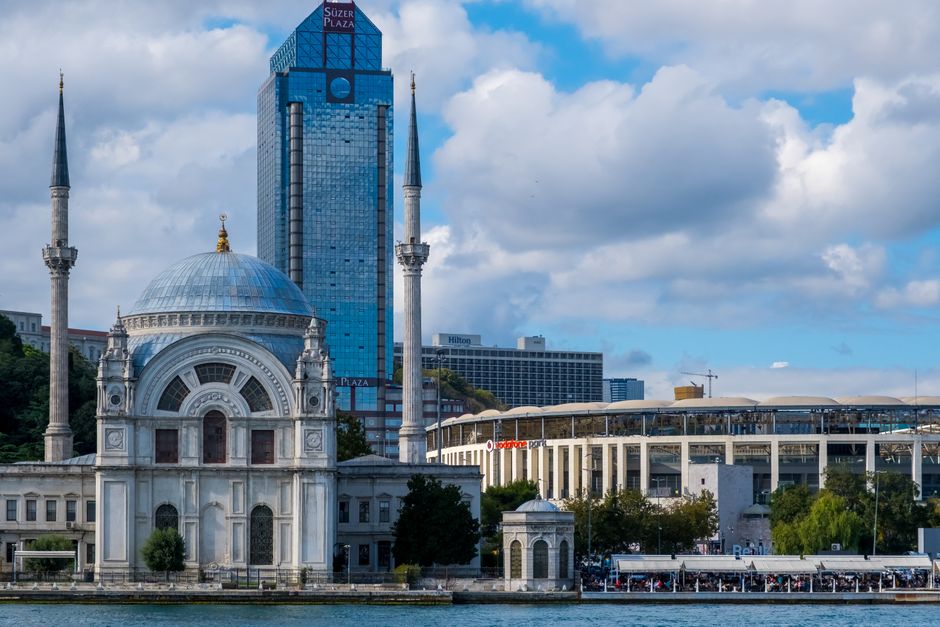
Five years ago, spotting a runner on the Bosphorus waterfront path was rare enough to warrant a second glance. Today, that stretch between Ortaköy and Besiktaş buzzes with dozens of joggers daily, their numbers swelling to over 150 during weekend mornings. This shift reflects a broader wellness movement quietly reshaping Istanbul's relationship with outdoor fitness.
The trend accelerated sharply after 2023, when city authorities upgraded the Bosphorus running path with improved lighting, water stations, and cleared sightlines from Kabataş to Kağıthane. Local fitness clubs report a 34% drop in new gym memberships over the past two years—a pattern replicated across major Turkish cities, but particularly pronounced here. The reason is geography: Istanbul offers what few metropolises can match: accessible waterfront routes, forest trails, and year-round temperate weather for at least nine months.
Belgrad Forest, once primarily a weekend retreat for families, has transformed into a legitimate training ground. The northern loop, roughly 8 kilometers, now hosts informal running clubs on Tuesday and Thursday evenings. Meanwhile, the Sultansuyu entry point in Sarıyer has become a hub for trail runners tackling steeper inclines. A local running community survey conducted in spring 2026 found that 62% of regular outdoor runners cite convenience and cost-effectiveness as primary motivators—gym memberships in central Istanbul range from 800 to 2,000 Turkish lira monthly.
The wellness trend extends beyond running. The Belgrad Forest Authority reported a 41% increase in park visitors since 2024, with hiking and walking groups now operating structured programs. Meanwhile, the traditional hammam culture—particularly in neighborhoods like Çemberlitaş and Cagaloglu—has repositioned itself as post-exercise recovery, offering steam and massage packages marketed toward active populations.
Infrastructure investment remains uneven. While the Bosphorus path boasts modern amenities, other neighborhoods lack basic safe routes. Fatih and Eyüp residents have limited options beyond steep residential streets. City planners have announced a second waterfront corridor along the Golden Horn by 2027, which could democratize access across socioeconomic divides.
The shift also reflects broader wellness consciousness. Nutritionists and physiotherapists across the Acibadem hospital network report increasing consultations from runners seeking injury prevention rather than treatment—a sign that outdoor fitness is becoming integrated into holistic health practice rather than casual exercise.
As summer temperatures peak, early mornings remain optimal for Bosphorus runners, with crowds dispersing by 7 a.m. For those seeking cooler routes, Belgrad Forest provides refuge, though starting before 6 a.m. remains advisable during July and August.
This article was compiled by AI from the sources linked above and screened before publishing. See our editorial standards.
How does this story make you feel?
Spread the word
About this article
Published by The Daily Istanbul
Daily brief
Free, in your inbox before 7am. Weekdays.
More in Wellness