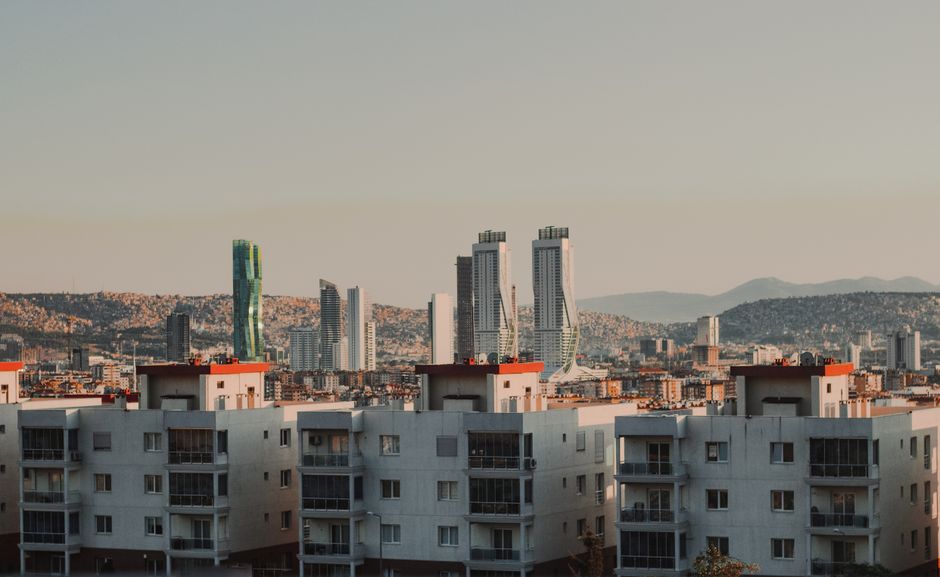
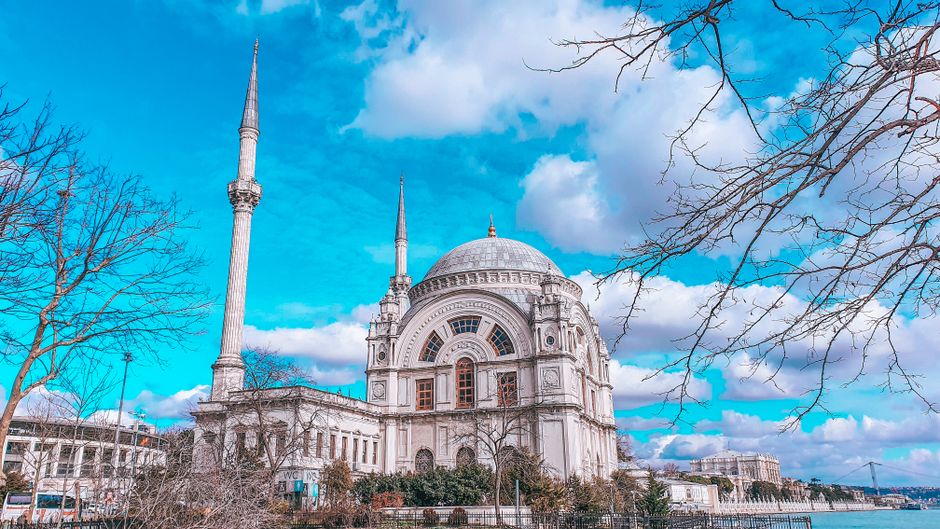
Walk along the Bosphorus running path on any morning and you'll see Istanbul's wellness conversation shifting. Five years ago, mindfulness was largely confined to expat communities in Bebek and Nişantaşı. Today, it's threading through Turkish mainstream culture, though not always in the form global wellness influencers might recognize.
The numbers tell a revealing story. According to a 2025 Turkish Psychological Association survey, meditation app downloads in major Turkish cities rose 47% year-on-year—significant, yet roughly half the growth rates seen in London or New York. Yet traditional stress-relief practices tell a different tale. Turkey's hammam culture, once dismissed by wellness marketers as quaint, now attracts serious clinical interest. Mental health clinicians at Acibadem Hospital's Istanbul locations increasingly refer patients to weekly hammam sessions, citing documented cortisol reduction benefits that rival structured meditation classes.
The cultural distinction matters. A dedicated yoga studio membership in Şişli typically costs 3,500-4,500 Turkish lira monthly—a barrier for many Istanbulites. By contrast, a hammam visit in Balat or Cemberlitas runs 150-250 lira and carries generations of social and ritual meaning. "We're not starting from zero," explains the wellness landscape. Tea culture gatherings in neighbourhood kahvehanes offer genuine peer support and presence—arguably a form of collective mindfulness that predates the term by centuries.
Global trends have influenced local practice, certainly. Yoga studios in Kadıköy now rival cafes in density. Meditation apps translated into Turkish gained traction post-2023. Yet the fusion is distinctly Istanbul: forest bathing through Belgrad Forest hikes, outdoor tai chi in Göztepe Park, structured breathwork classes teaching both clinical protocols and Ottoman-era dervish breathing techniques.
Therapists note an emerging hybrid model. Rather than replace traditional practices, younger Istanbulites layer them: a Monday meditation app session, Wednesday hammam ritual, Friday tea gathering. This pragmatic eclecticism reflects both economic reality and cultural identity—taking what works globally while remaining rooted locally.
The bottleneck remains professional accessibility. While meditation teachers multiply in affluent neighbourhoods, psychotherapists accepting insurance remain scarce across Anatolian-side districts. Community health centres increasingly offer free mindfulness workshops, yet consistency varies by district.
Istanbul's stress management story isn't about choosing between East and West. It's about recognition: the city already possessed powerful wellness tools. Global mindfulness trends simply gave permission to value them differently—less as cultural artifact, more as clinical ally in managing the particular pressures of living in a city of sixteen million.
This article was compiled by AI from the sources linked above and screened before publishing. See our editorial standards.