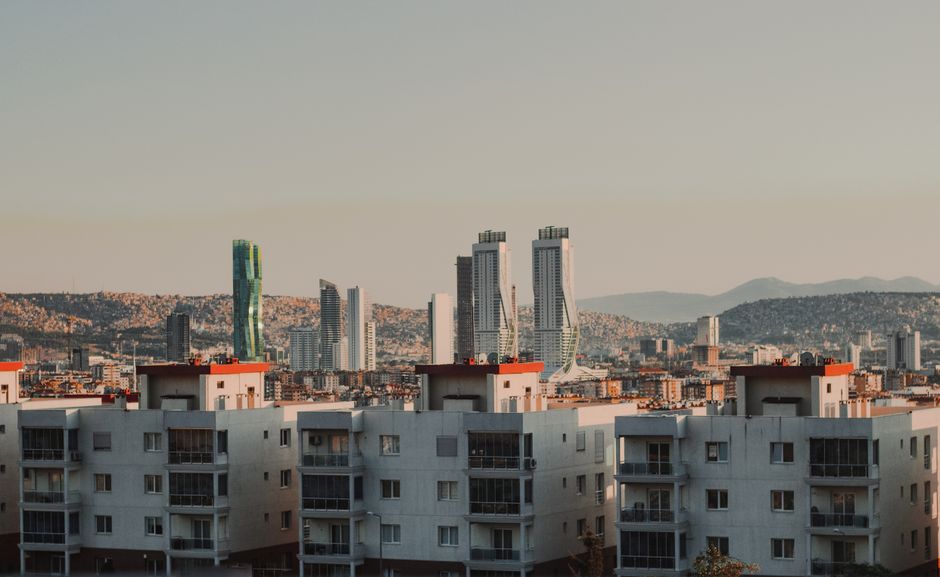
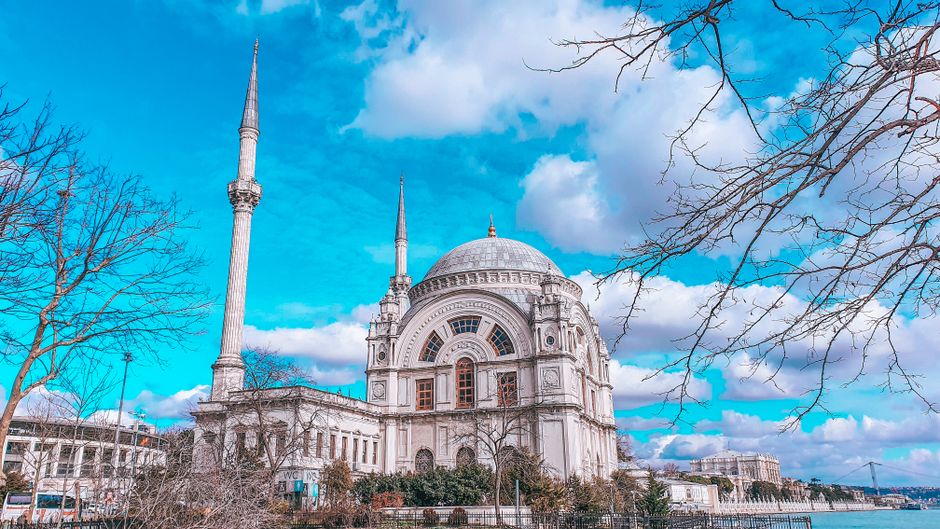
Istanbul's summers are unforgiving. With humidity regularly hovering between 70–85% along the Bosphorus and afternoon temperatures climbing toward 35°C, the city's three million residents face a hydration challenge most Europeans never consider. Yet many of us still reach for the same modest water intake recommended for temperate climates—a mistake that can quietly undermine energy, focus, and joint health during the season when locals flock to Belgrad Forest trails and waterfront running paths.
Dr. Mustafa Yılmaz, a sports nutritionist at Acıbadem Healthcare Group's Maslak branch, explains the regional challenge plainly: "In Istanbul's humidity, you lose fluids faster than you feel thirsty." The combination of heat and moisture means sweat doesn't evaporate efficiently from the skin, creating a false sense of hydration. For someone running the 10km Bosphorus path or hiking the forest trails near Sarıyer, this can mean losing 1.5 to 2 litres of fluid per hour—far more than the standard eight glasses daily.
The baseline recommendation shifts for Istanbul residents. Rather than the one-size-fits-all 2–3 litres daily, aim for 3–4 litres during summer months, adjusted for activity level and individual sweat rate. A practical test: pale urine suggests adequate hydration; dark yellow signals deficit. Many Istanbullus dismiss this as excessive until they experience the afternoon slump that hits around 4pm—often pure dehydration masked as fatigue.
What you drink matters as much as how much. While water remains essential, Istanbul's own wellness tradition offers wisdom: Turkish tea, served throughout the day in neighbourhoods like Balat and Cihangir, combines hydration with antioxidants. A study from Marmara University found that regularly consumed çay (black tea) improved summer alertness and reduced heat-related fatigue markers. The catch: avoid excess sugar. Unsweetened or lightly sweetened tea, at roughly 50 kurush per glass at street vendors, delivers hydration without the energy crash of sugary drinks.
Electrolyte balance matters too. Sweating depletes sodium and potassium—minerals critical for muscle function and recovery. Rather than expensive sports drinks, traditional Turkish options work equally well: ayran (a yoghurt drink) provides both electrolytes and probiotics for around 2 liras; a handful of nuts with water achieves the same effect during a midday walk in Sultanahmet.
The hammam tradition, integral to Istanbul wellness culture, offers a hydration reminder: pre-soak with 500ml of water, then rehydrate fully afterward. As heat stress peaks this July and August, treating hydration as seriously as morning coffee—not an afterthought—separates those who thrive from those merely surviving the season.
This article was compiled by AI from the sources linked above and screened before publishing. See our editorial standards.