How to Start a Walking Group in Your Neighbourhood
From Cihangir to Kadıköy, Istanbul residents are discovering that organised neighbourhood walks build fitness, community bonds, and local knowledge—here's how to launch one in your district.
From Cihangir to Kadıköy, Istanbul residents are discovering that organised neighbourhood walks build fitness, community bonds, and local knowledge—here's how to launch one in your district.
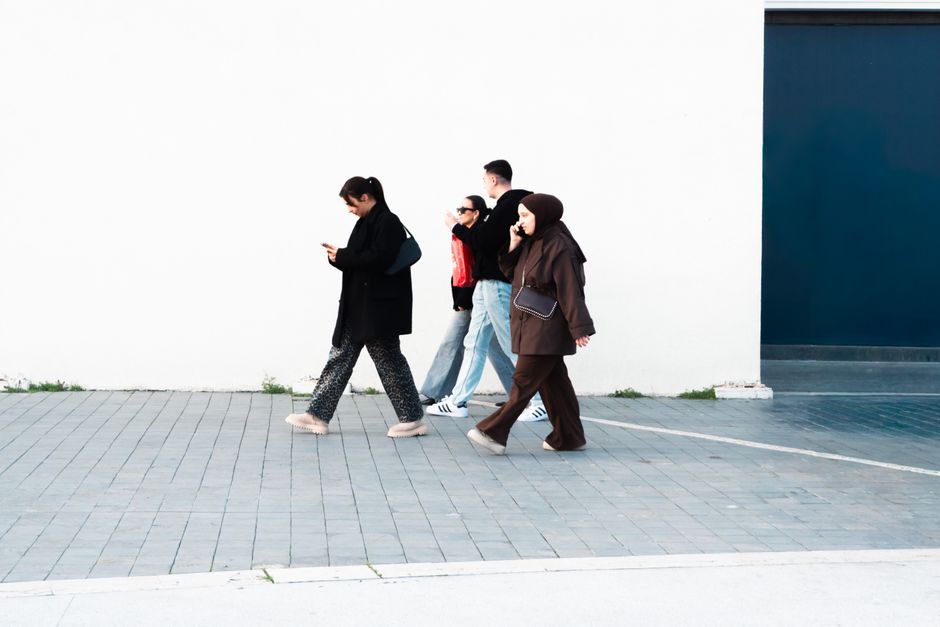
Istanbul's topography challenges even seasoned fitness enthusiasts, yet it also creates natural gathering points for group exercise. The city's recent shift toward community-led wellness initiatives has made neighbourhood walking groups increasingly popular, with residents discovering that structured group movement strengthens both physical health and social cohesion.
Starting a walking group requires minimal investment but genuine intention. Begin by identifying your core route—perhaps the leafy streets of Bebek, the waterfront promenade in Ortaköy, or the quieter residential lanes of Nişantaşı. Test the route yourself first, noting elevation changes, rest spots, and water fountain locations. Istanbul's summer heat (regularly exceeding 30°C by late June) means route selection directly affects participant comfort and retention.
Recruit initial members through hyperlocal channels. Post on neighbourhood WhatsApp groups, community Facebook pages, or near local coffee shops in your target area. Specify meeting time, distance (typically 3-5km for beginner groups), and pace. Morning walks at 07:00 before heat peaks prove popular across districts like Şişli and Besiktaş, while evening groups in Balat or Galata attract those with different schedules.
Establish basic logistics: confirm a regular schedule (weekly works best for consistency), designate a meeting point (a visible landmark—perhaps near a metro station or mosque), and communicate clearly via a shared messaging app. Groups of 6-15 participants build community without becoming unwieldy. Consider whether your group welcomes all fitness levels or targets a specific demographic.
Leverage Istanbul's existing wellness infrastructure. Route-planning apps identify distances accurately; local Acibadem clinics or sports medicine specialists sometimes offer free talks on walking technique and injury prevention. The Turkish Walking Federation occasionally sponsors community initiatives, worth investigating for group insurance or promotional support.
Safety matters. Ensure adequate street lighting for early-morning or evening walks, establish a communication protocol (confirm attendance, identify a leader), and encourage participants to wear reflective gear during darker months. Routes through Belgrad Forest or along the Bosphorus waterfront offer beauty and established pathways, yet neighbourhood groups thrive partly because they're accessible without requiring transport.
Once established, your group becomes self-sustaining. Rotating leadership responsibilities distributes effort; celebrating milestones (50th collective walk, member achievements) fosters belonging. Many Istanbul neighbourhood groups evolve organically into wider community initiatives—organising occasional hammam visits or group tea gatherings at local çays.
The fitness benefits are documented: regular walking reduces cardiovascular risk and improves joint health. But the deeper reward emerges gradually—discovering neighbours you've lived near for years, learning your district's hidden corners, and contributing to a visible culture of wellbeing on your streets.
This article was compiled by AI and screened before publishing. See our editorial standards.
How does this story make you feel?
Spread the word
About this article
Published by The Daily Istanbul
Daily brief
Free, in your inbox before 7am. Weekdays.
More in Wellness