Sleep Better in Istanbul: Evidence-Based Tips That Actually Work for Local Conditions
From managing the summer heat to timing your evening çay, here's what sleep science says about thriving in Turkey's largest city.
From managing the summer heat to timing your evening çay, here's what sleep science says about thriving in Turkey's largest city.
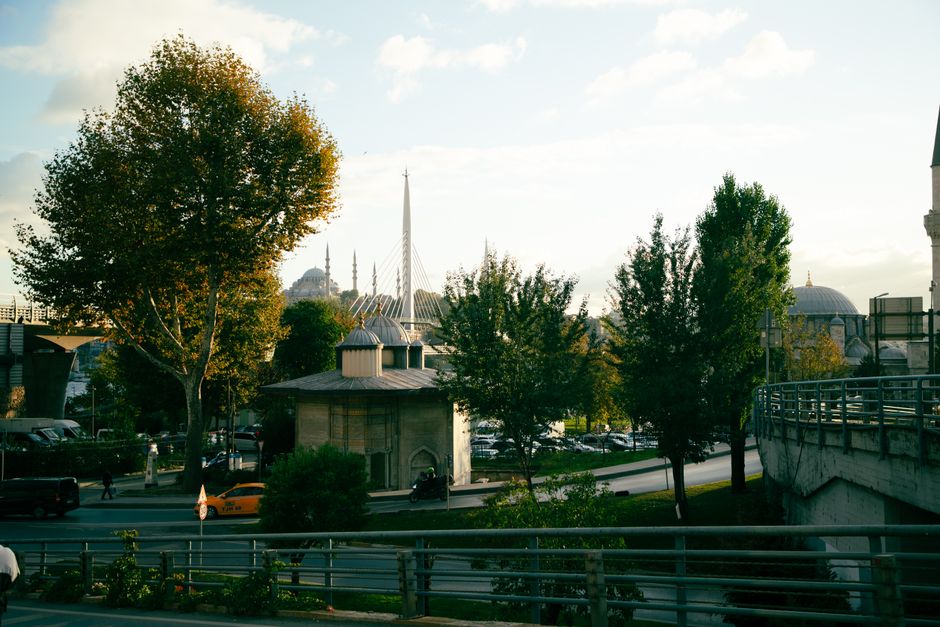
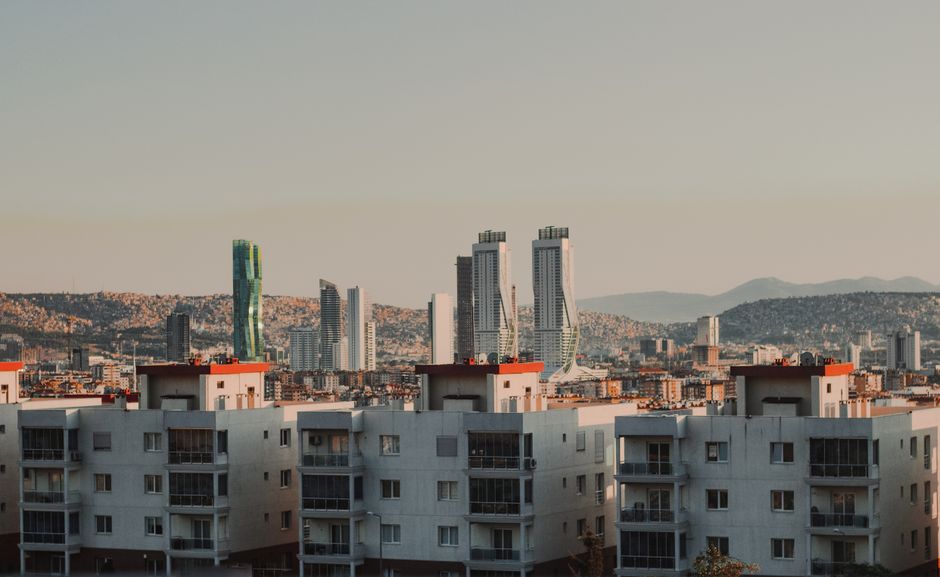
Istanbul's unique sleep challenges demand practical solutions grounded in research. Whether you're navigating Ramadan schedules, sweltering Bosphorus-side nights, or the city's notorious traffic noise, sleep experts agree: one-size-fits-all advice doesn't work here.
Start with temperature control. Studies consistently show core body temperature drops 1-2°C before quality sleep onset. Istanbul's June-August average of 28°C makes this difficult. Rather than fighting air conditioning costs, research from sleep clinics suggests using lightweight cotton bedding and keeping bedroom shutters closed during daylight hours—particularly in neighbourhoods like Ortaköy and Bebek facing west. If air conditioning feels excessive, a simple pedestal fan creates white noise while enabling air circulation, a finding validated by Turkish sleep medicine centres across the Acibadem network.
Timing matters more than most people realise. Istanbul's summer dawn light arrives around 5:15 AM, flooding bedrooms earlier than many other European cities. Blackout solutions—increasingly available at home stores along İstiklal Caddesi—can extend sleep windows by 45 minutes, according to chronobiology research. Conversely, autumn and winter darkness (sunset by 4:45 PM in December) requires deliberate morning light exposure. A 20-minute walk along the Bosphorus running path in early morning hours syncs circadian rhythms more effectively than any supplement.
Evening tea timing deserves attention. Turkey's strong tea culture remains socially vital, but caffeine sensitivity peaks at 37°C body temperature—common in Istanbul through 7 PM most of the year. Moving çay to early afternoon (3-4 PM) rather than evening, while maintaining the social tradition, reflects evidence on caffeine clearance rates without disrupting cultural practices.
Ramadan presents particular challenges. Fasting schedules disrupt sleep-wake cycles substantially. Research suggests gradually adjusting sleep times 15 minutes earlier each night two weeks before Ramadan begins, rather than making abrupt shifts. This allows melatonin rhythms to adapt more smoothly.
Finally, noise management is essential in dense neighbourhoods. Bosphorus ferries, construction on the metro extensions, and street traffic create ambient sound levels 65-75 decibels—above the 55-decibel threshold sleep specialists recommend. Foam earplugs (widely available at pharmacies throughout Şişli and Beyoğlu) plus consistent bedtime routines prove more effective than noise-masking apps for Istanbul's specific acoustic environment.
Sleep science works best when adapted to local reality. Istanbul's geography, climate, and rhythms require thoughtful, evidence-based adjustments rather than generic advice.
This article was compiled by AI from the sources linked above and screened before publishing. See our editorial standards.
How does this story make you feel?
Spread the word
About this article
Published by The Daily Istanbul
Daily brief
Free, in your inbox before 7am. Weekdays.
More in Wellness