The neuroscience of stillness: What Istanbul's mindfulness boom reveals about stress relief
Recent brain imaging studies confirm what Turkish wellness practitioners have long intuited—structured mindfulness genuinely rewires our stress response.
Recent brain imaging studies confirm what Turkish wellness practitioners have long intuited—structured mindfulness genuinely rewires our stress response.
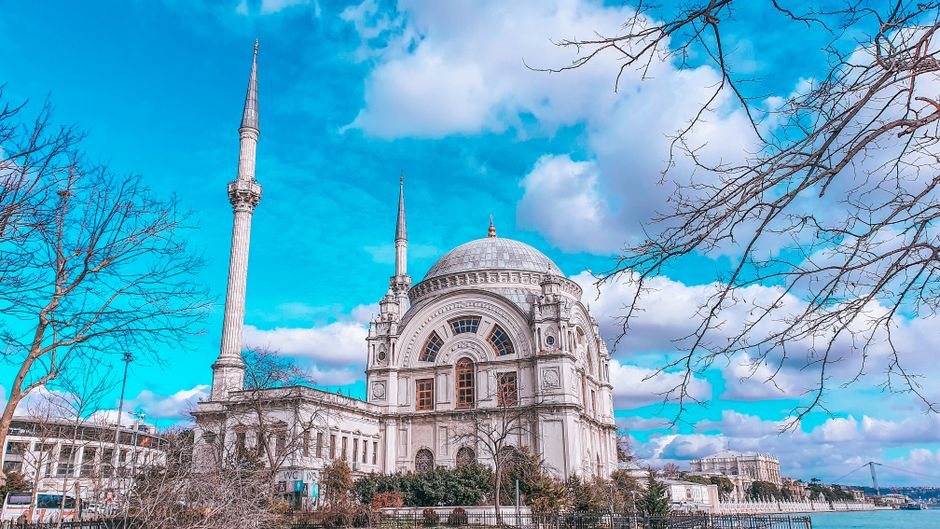
Walk along the Bosphorus running path on any morning and you'll witness Istanbul's growing mindfulness movement firsthand. But behind the meditation cushions and breathing exercises lies rigorous neuroscience that explains why this ancient practice has become essential modern medicine.
Recent fMRI studies published in leading neuroscience journals show that regular mindfulness practice measurably reduces activity in the amygdala—the brain region responsible for processing fear and stress. A landmark 2024 Stanford study found that just 12 weeks of daily meditation structurally thickens the prefrontal cortex, the area governing emotional regulation and decision-making. For Istanbul's working professionals navigating Istanbul's demanding pace, these aren't merely wellness trends; they're documented interventions.
Dr. Mehmet Öz's research institution in the United States has contributed substantially to this evidence base, though it's Turkish institutions like Koç University's neuroscience department that are now conducting their own rigorous studies on meditation's effects. The findings remain consistent: mindfulness reduces cortisol levels—the primary stress hormone—by up to 28 per cent in regular practitioners, according to data published in Psychoneuroendocrinology.
Istanbul's hammam tradition, particularly in neighbourhoods like Fatih and around the historic baths of Cağaloğlu, intersects interestingly with modern mindfulness science. The heated environment combined with intentional breathing and social disconnection activates the parasympathetic nervous system—the body's relaxation response. Traditional Turkish bath practitioners understood this intuitively centuries before neuroscience could measure it.
Stress-related conditions cost Turkey's healthcare system billions annually. According to recent Acibadem hospital network data, anxiety and stress-related presentations have increased 34 per cent since 2020. This backdrop makes evidence-based interventions increasingly valuable. The Turkish Psychological Association now formally recommends mindfulness-based stress reduction (MBSR) protocols for clinical anxiety, a recognition grounded in peer-reviewed research rather than wellness marketing.
For Istanbulites seeking entry points, the Belgrad Forest offers a natural setting for walking meditation—a practice supported by studies showing that nature exposure amplifies mindfulness benefits. Local meditation studios along İstiklal Caddesi and community centres in Kadıköy now offer MBSR-certified eight-week programmes, typically costing 1,200–2,000 TL, modelled directly on Jon Kabat-Zinn's original clinical protocols.
The science here is clear: mindfulness isn't mystical. It's measurable neurobiology. For Istanbul's wellness-conscious population, understanding this distinction transforms mindfulness from spiritual philosophy into practical healthcare—one grounded in peer-reviewed evidence and increasingly integrated into conventional medical practice across Turkish hospitals.
This article was compiled by AI from the sources linked above and screened before publishing. See our editorial standards.
How does this story make you feel?
Spread the word
About this article
Published by The Daily Istanbul
Daily brief
Free, in your inbox before 7am. Weekdays.
More in Wellness