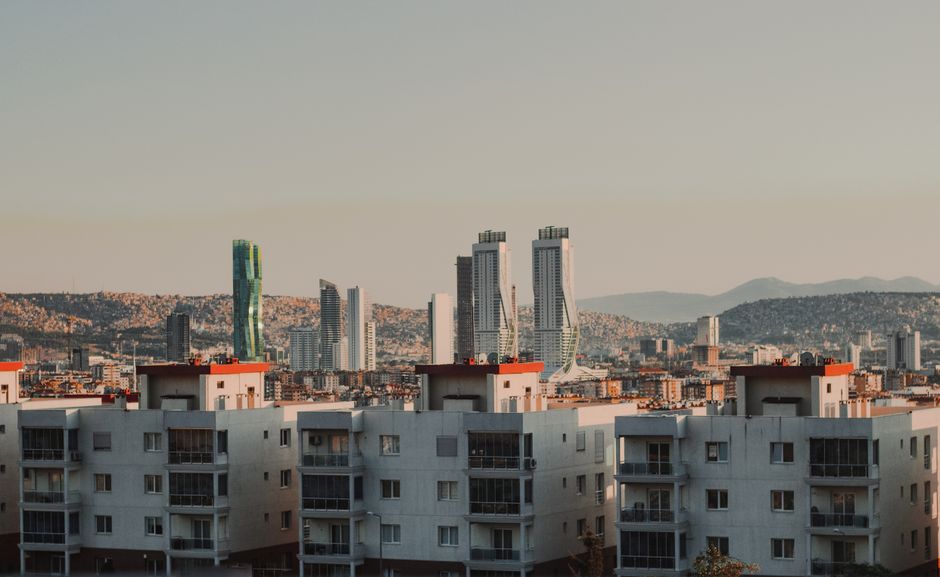
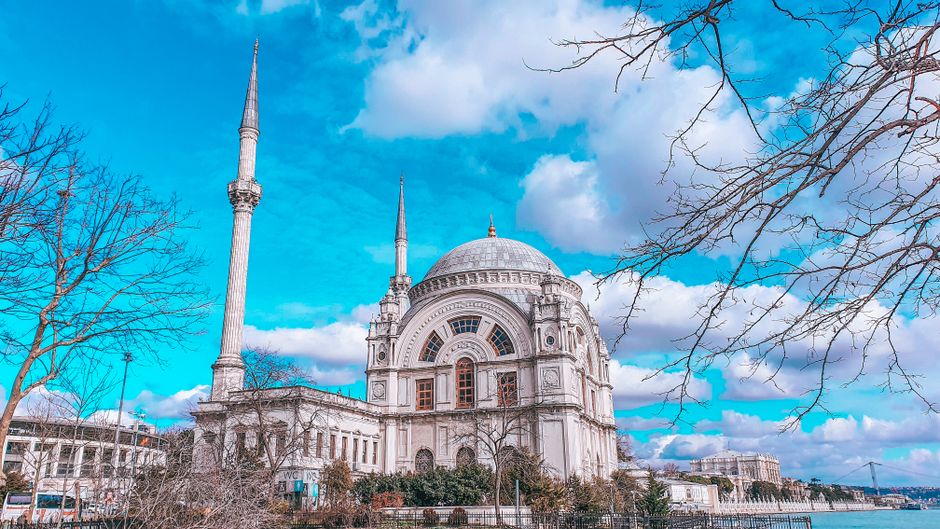
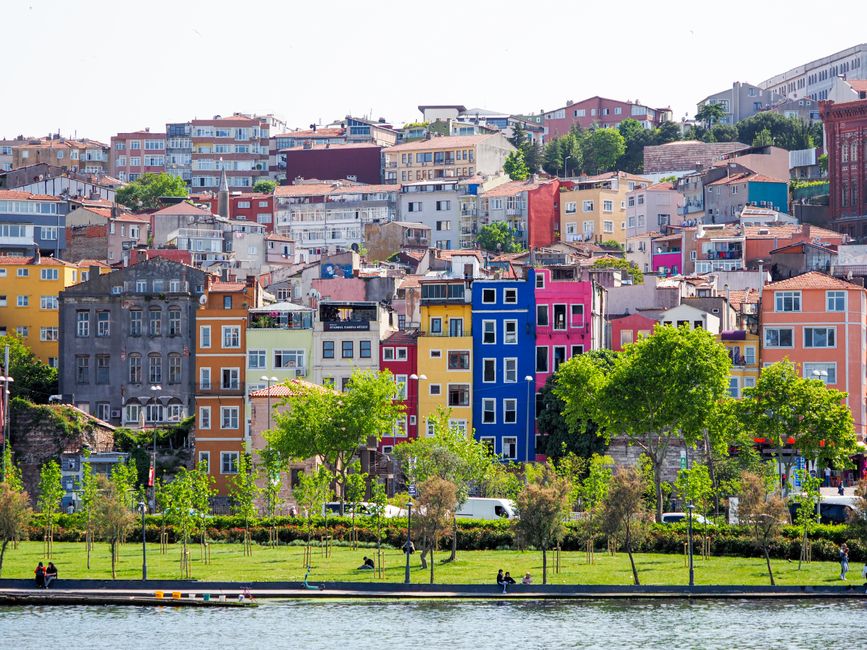
Walk along the Bosphorus promenade on any given Saturday morning, and you'll notice a shift. Where leisurely strolls once dominated, clusters of runners now navigate the waterfront paths from Ortaköy to Bebek. Istanbul is experiencing a quiet outdoor fitness awakening—one that mirrors global wellness trends, yet remains distinctly Istanbul in pace and participation.
Global data tells a clear story: outdoor running participation has surged 28% worldwide since 2023, driven by affordability, mental health awareness, and post-pandemic behavior shifts. Cities from Melbourne to Copenhagen have invested heavily in dedicated running infrastructure. Istanbul, by contrast, has relied largely on existing public spaces. The Bosphorus running path—stretching roughly 15 kilometres from Ortaköy northward—has become the unofficial flagship route, though it remains unpaved in many sections and lacks the dedicated lanes common in major European cities.
Belgrad Forest offers a more structured alternative. Ankara's sprawling green lung provides multiple loop options, from gentle 5km circuits to ambitious 12km trail runs through pine forests. Weekend morning traffic here has intensified noticeably; local running clubs report membership growth of approximately 40% over two years, though formal data remains limited.
What distinguishes Istanbul's fitness culture is integration with existing wellness traditions. Rather than replacing the hammam or tea culture, outdoor running complements them. Many runners treat weekend trail sessions as part of a holistic routine that includes a post-run visit to a traditional Turkish bath in neighbourhoods like Fatih or Balat—a rhythm rarely seen in trend-obsessed global cities.
Yet barriers persist. Unlike London or Berlin, Istanbul lacks standardized running infrastructure: proper trail signage, rest stations, and organised racing events remain sparse. Commercial running clubs charge 250–400 Turkish lira monthly, making regular participation a middle-class activity. Women's-specific running groups, which have proliferated across North America and Europe, are only beginning to emerge here.
The uptake story is nuanced. Turkish fitness culture historically centred on football, basketball, and gym membership. Outdoor trail running still carries a somewhat niche perception—associated with leisure rather than serious sport. Yet momentum is undeniable. Social media has amplified visibility; Instagram running communities dedicated to Istanbul now exceed 15,000 followers.
What's happening isn't wholesale adoption of global trends but selective, locally adapted integration. Istanbul's runners aren't abandoning their heritage wellness practices for CrossFit-style optimization. Instead, they're weaving outdoor fitness into an existing tapestry of physical and social rituals. That hybrid approach may ultimately prove more sustainable than importing North American-style fitness intensity wholesale.
For anyone considering joining this movement, starting with Bosphorus waterfront routes or Belgrad Forest club introductions offers low-barrier entry. Local gyms and wellness centres increasingly host trail-running orientation sessions.
This article was compiled by AI from the sources linked above and screened before publishing. See our editorial standards.