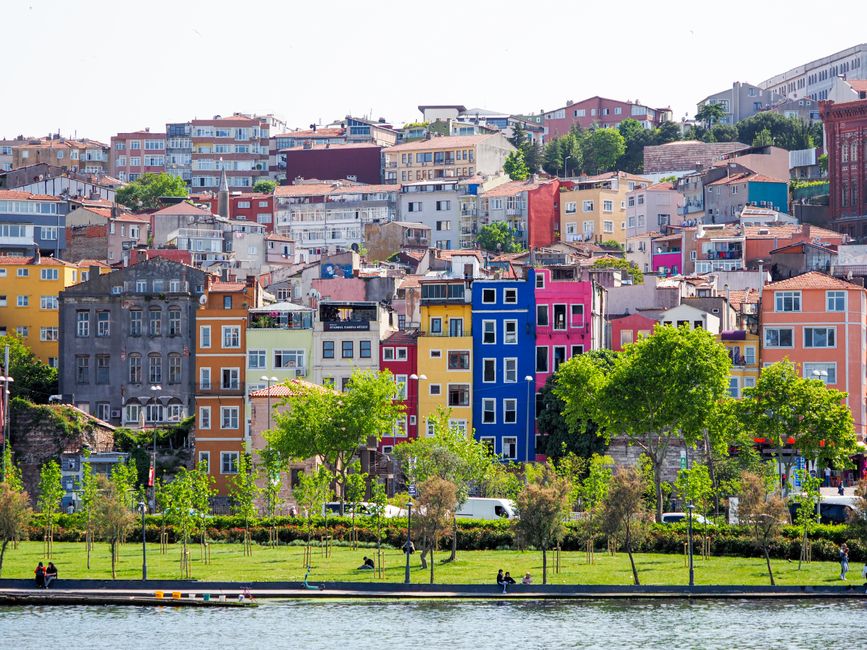
Walking along the Bosphorus path in Ortaköy on a Tuesday morning, you'll spot them: runners, power-walkers, and early risers making health a non-negotiable part of their routine. But for many Istanbullus, the real transformation begins not in parks but in screening rooms across Acibadem hospitals and neighbourhood clinics throughout Şişli and Beşiktaş.
The shift toward preventive health has quietly accelerated across Istanbul's communities. Turkish Health Ministry data indicates that cardiovascular screenings among adults aged 40+ have increased by 28% over the past three years—a significant jump driven largely by word-of-mouth stories of neighbours, colleagues, and friends who caught conditions early.
At the Belgrad Forest café culture hubs, conversations increasingly centre on health milestones: cholesterol panels completed, blood pressure logged, mammogram appointments booked. These aren't dramatic health crises—they're the unglamorous but powerful victories of prevention.
Preventive screening costs remain accessible across Istanbul's network. A comprehensive health check including blood work, blood pressure, and BMI assessment typically ranges from 800 to 1,500 Turkish Lira at private clinics, while public health centres in districts like Fatih and Beyoğlu offer subsidised screenings. Many employers, particularly in the finance and tech sectors clustering around Maslak, now include annual screenings as standard benefits.
The cultural shift extends beyond hospitals. Tea houses in Galata and Kadıköy have become informal wellness hubs where older residents discuss their recent check-ups and preventive strategies. This social aspect—where health becomes community conversation rather than private shame—has proven surprisingly powerful in encouraging reluctant friends to schedule appointments.
Dr. accessibility has improved markedly. Many clinics now offer online appointment booking, and telemedicine consultations for follow-ups eliminate the commute across Istanbul's congested streets. For residents of outer districts like Sarıyer or Pendik, this accessibility shift has been transformative.
The hammam tradition—integral to Turkish wellness culture—has also evolved into prevention advocacy space. Regular visitors to hammams in Sultanahmet and Cemberlitaş now often discuss screening schedules while preparing for their weekly steam rituals, treating preventive health as part of broader self-care practice.
What emerges from these community stories is neither medical breakthrough nor dramatic recovery narrative. Instead, it's the quieter truth: that showing up for regular screenings, taking results seriously, and treating prevention as lifestyle rather than afterthought genuinely changes outcomes.
For Istanbullus navigating modern urban pressures, this shift represents reclaimed agency. Consult your local healthcare provider to discuss which screenings suit your age and risk factors.
This article was compiled by AI from the sources linked above and screened before publishing. See our editorial standards.