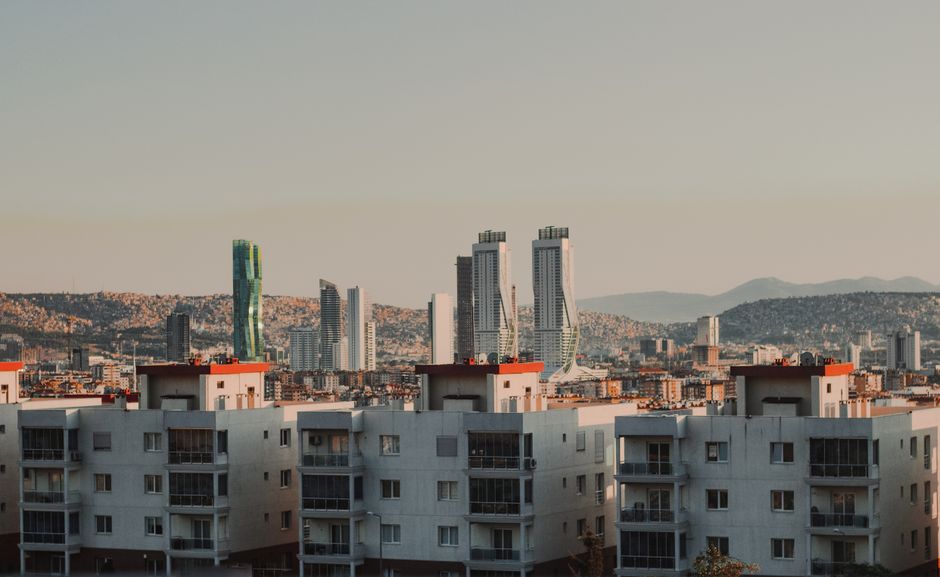
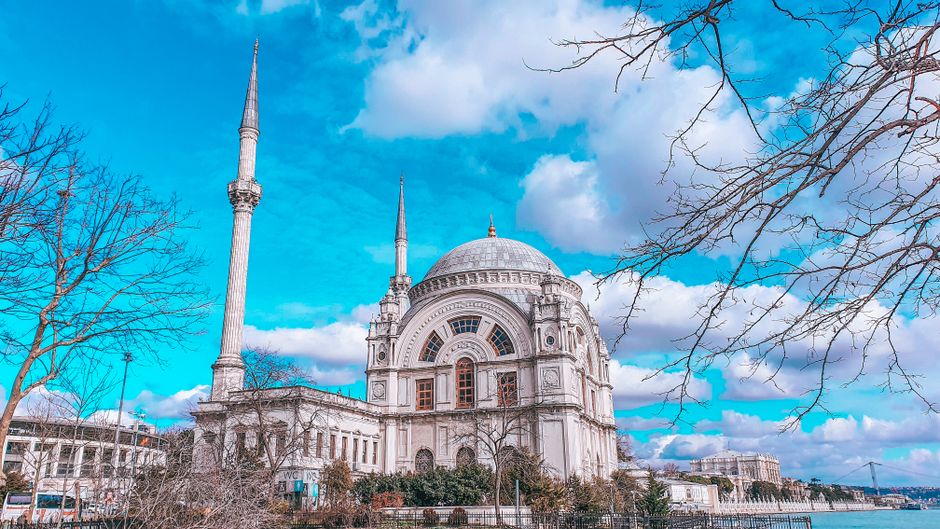
Global wellness data tells a clear story: outdoor running participation has surged 34% since 2020 across major cities worldwide, from London to Singapore. Istanbul is experiencing its own momentum, yet local adoption remains notably measured compared to international benchmarks. A 2025 fitness survey by Istanbul's sports tourism board found that only 18% of metropolitan residents run outdoors regularly—half the figure for comparable European capitals.
The infrastructure gap explains part of this disparity. While runners in Berlin or Copenhagen enjoy thousands of kilometers of dedicated paths, Istanbul's most celebrated route—the 6.5-kilometer Bosphorus running path linking Ortaköy to Arnavutköy—remains the city's flagship option for serious distance athletes. Weekend mornings here pulse with activity: joggers navigate the waterfront while ferries drift past, creating a distinctly Istanbul experience that global fitness influencers are beginning to document.
Belgrad Forest, north of the city, presents a different appeal. Its 217-hectare expanse attracts trail runners seeking elevation and forest cover during scorching summers—a practical advantage over asphalt routes. Yet access requires planning; public transport connections remain limited compared to European forest reserves near major cities.
Neighborhoods like Bebek and Nişantaşı have fostered emerging running communities, with small clubs organizing group sessions along neighborhood streets and waterfront paths. Turkish fitness culture traditionally emphasized hammam visits and leisurely tea gatherings rather than high-intensity cardio, and this cultural heritage still shapes participation patterns. However, younger demographics—particularly in central districts—increasingly embrace running as part of modern wellness routines.
What distinguishes Istanbul's trajectory is integration with existing social wellness practices. Runners often combine outdoor sessions with post-exercise hammam visits, blending global fitness trends with local tradition. This hybrid approach offers something absent from Northern European running culture: recovery and community wrapped into ritual.
Cost remains a practical consideration. Running clubs typically charge 200–400 Turkish lira monthly; professional coaching follows global rates. This sits comfortably within middle-class reach across Istanbul's affluent districts but may constrain broader adoption in outer neighborhoods.
The gap between global trends and local uptake reflects not apathy but context. Istanbul's summer heat, dense traffic in many areas, and established wellness traditions create different priorities. As infrastructure improves—several new waterfront paths are planned for 2027—local running culture will likely accelerate. For now, the Bosphorus path remains where global fitness momentum meets Istanbul's singular geography and pace of life.
This article was compiled by AI from the sources linked above and screened before publishing. See our editorial standards.