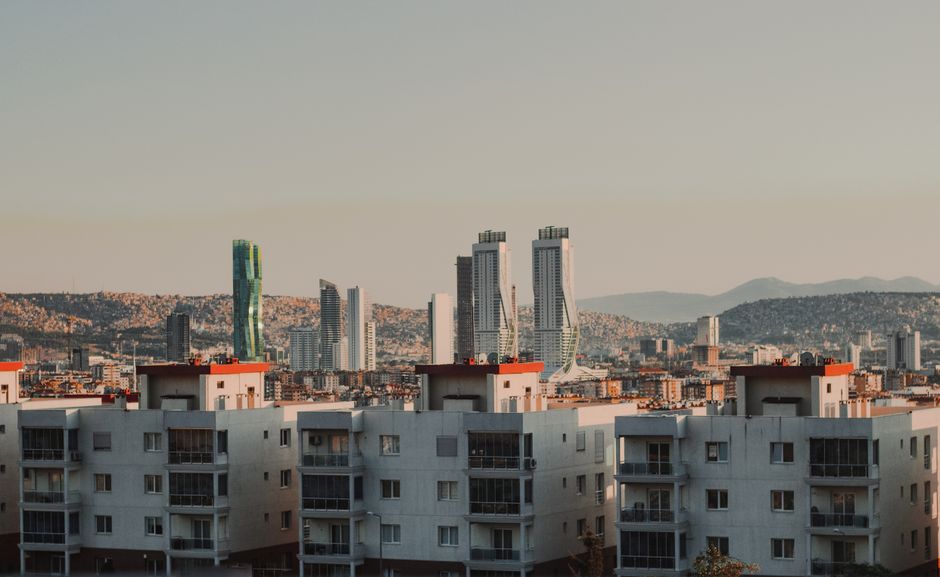
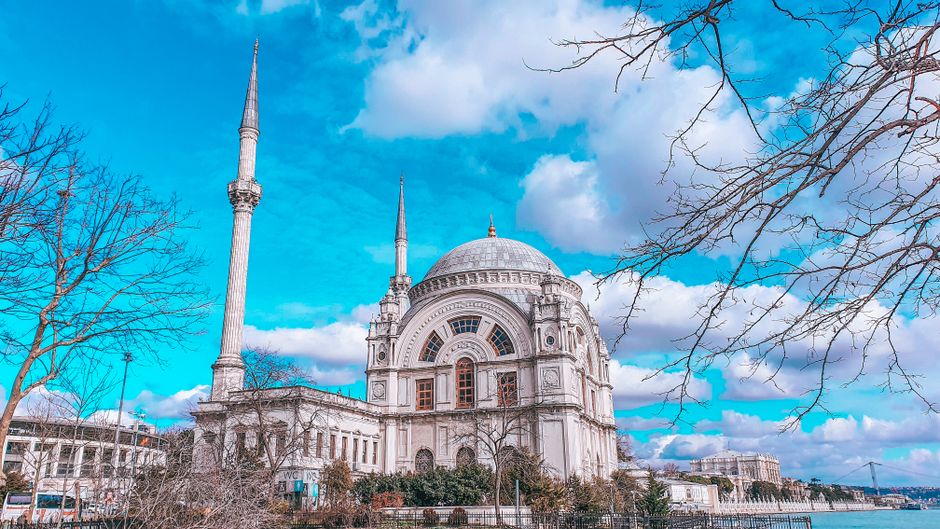
When the Turkish Psychological Association released its 2025 stress index, Istanbul ranked among Turkey's highest-pressure urban centres, with 68 percent of residents reporting chronic work-related anxiety. Yet scattered across the city's neighbourhoods—from Kadıköy's waterfront cafés to the quiet corners of Ortaköy—a quiet revolution in stress management is taking root, one community at a time.
The transformation is deeply local. In Beşiktaş, morning runners along the Bosphorus path have become an informal wellness collective, their 6 a.m. jogs evolved into breathing practice sessions. Meanwhile, wellness centres around Taksim are reporting a 40 percent uptick in mindfulness workshops since early 2025, with group sessions now booked weeks in advance at ₺150-200 per class. The appeal isn't exotic—it's proximity and relatability.
Belgrad Forest, Istanbul's sprawling green refuge north of the city, has become something of a pilgrimage site for those seeking respite. Local hiking groups organise weekly treks that prioritise slow movement and present-moment awareness, tapping into what forest therapy practitioners call the restorative power of nature immersion. For many participants, the mental reset rivals any formal meditation retreat, at a fraction of the cost.
Perhaps most intriguingly, Istanbul's ancient hammam culture is experiencing a wellness renaissance. Traditional bathhouses in Çemberlitaş and Cağaloğlu, once considered purely recreational, now market themselves explicitly as stress-relief sanctuaries. The ritual itself—the progressive heat, the rhythmic scrubbing, the social pause—mirrors clinical mindfulness practices. A full hammam experience costs roughly ₺200-300, positioning it as accessible preventative mental healthcare.
What makes these stories compelling is their ordinariness. These aren't Silicon Valley executives flying to meditation retreats. They're Istanbul professionals, students, and parents rediscovering practices embedded in local culture. The strong Turkish tea culture, traditionally a social anchor, is being deliberately reclaimed as a mindfulness tool—a 15-minute pause with intention rather than habit.
Acibadem's mental health divisions have noted increased patient interest in community-based stress interventions over pharmaceutical-only approaches, reflecting a citywide shift toward integrated wellness. The message resonates: transformation doesn't require transformation into someone else's lifestyle. It requires presence in your own.
For those navigating Istanbul's relentless pace, the real discovery isn't new. It's remembering what's always surrounded you—and finally stopping long enough to feel it work.
This article was compiled by AI from the sources linked above and screened before publishing. See our editorial standards.