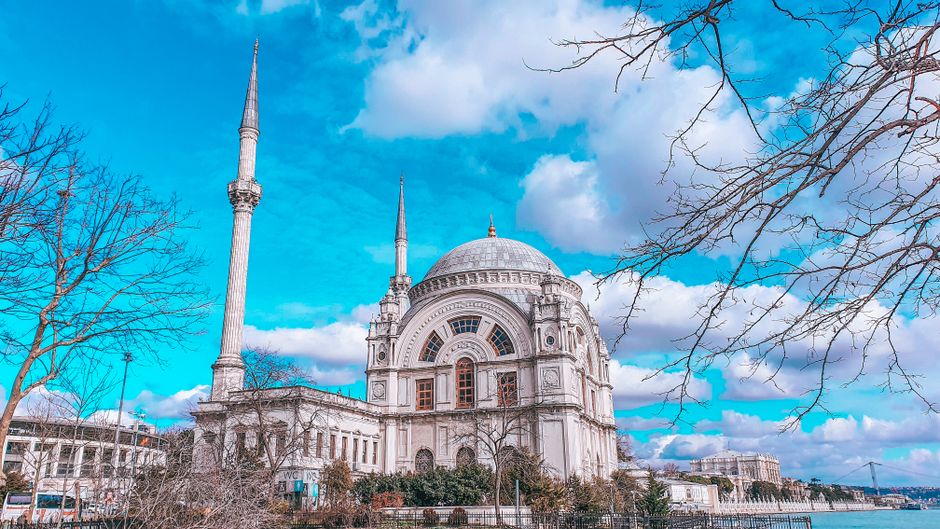
Walk along the Bosphorus running path on any weekday morning, and you'll notice a shift. Where fitness enthusiasts once dominated, you now see people moving deliberately slower—some pausing mid-jog to breathe deeply, others simply walking in apparent stillness. This pattern reflects a broader movement across Istanbul's neighbourhoods, where residents are consciously adopting stress-management habits backed by consistent practice rather than occasional wellness interventions.
The Turkish hammam tradition, rooted in Ottoman wellness culture, has experienced a quiet resurgence among mental health-conscious Istanbulites. Unlike the social spectacle hammams can become, many locals now visit quieter establishments in Sultanahmet or Beyoğlu during off-peak hours—treating 45 minutes of heat, steam, and rhythmic scrubbing as meditative practice. The ritual's success lies in its simplicity: it creates a scheduled window for disconnection, a practice psychologists increasingly recommend for stress regulation.
Tea culture has also evolved beyond socializing. Rather than rushed coffee consumption between appointments, residents across Kadıköy and Cihangir are reclaiming the practice of çay saati—deliberate tea time—as a grounding ritual. Local cafés report sustained afternoon traffic driven not by caffeine need but by the intentional pause the tradition affords. A cup of black tea costs roughly 15-20 Turkish Lira, making it an accessible daily anchor.
The Belgrad Forest, accessible from Sarıyer and Bahçeköy, has become Istanbul's de facto outdoor mindfulness venue. Unlike the high-intensity hiking groups, a growing community visits for slower forest bathing—a practice where walking becomes secondary to sensory awareness. Locals report this as significantly more sustainable than gym-based stress management, particularly during Istanbul's intense summer months.
Workplace mindfulness programs are gaining traction at major employers, with some companies in the Levent business district now offering weekly 15-minute guided sessions. While data on adoption remains limited, wellness coordinators note that habit formation—the repeated, low-friction nature of brief practices—matters more than duration or intensity.
What distinguishes these emerging habits is their integration into existing cultural practices rather than imported wellness trends. Istanbulites aren't abandoning their traditions; they're rediscovering them through a mental health lens. The consistency comes from rooting stress management in what's already familiar—whether that's tea, hammams, or the Bosphorus path—rather than adopting unfamiliar routines that rarely sustain.
For anyone seeking to build similar practices, local wellness professionals recommend starting with one existing habit and introducing intentional pauses rather than overhauling entire routines.
This article was compiled by AI from the sources linked above and screened before publishing. See our editorial standards.