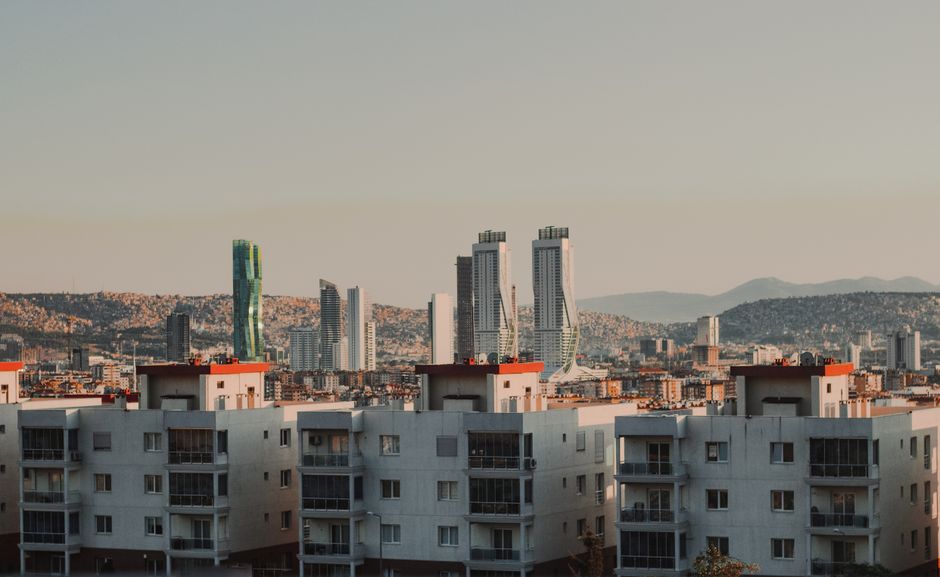
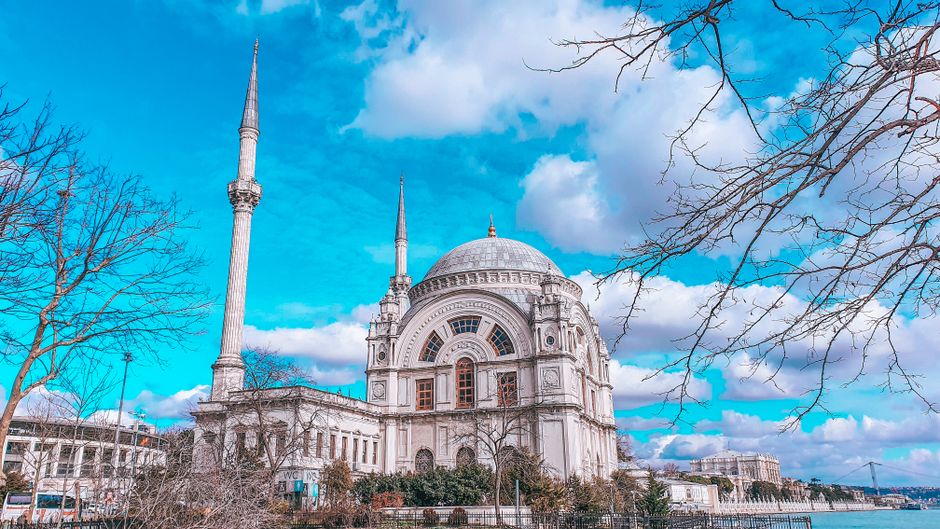
Global fitness trends paint a familiar picture: marathon apps, GPS watches, competitive leaderboards. Yet in Istanbul, where running culture has quietly surged over the past three years, the narrative looks different. Data from local running clubs suggests nearly 40% of participants cite community and scenery as primary motivations—outweighing performance metrics that dominate Western wellness discourse.
The Bosphorus running path, stretching from Ortaköy to Bebek, has become the city's unofficial running corridor. Early mornings reveal a mixed demographic: retirees, young professionals, families—a contrast to global trends skewing toward 25-40-year-old fitness enthusiasts. Turkish Runners Association membership has grown 28% since 2023, with many citing the social tea-break culture integrated into weekend runs as central to retention. This mirrors a broader shift away from isolated, app-driven fitness toward place-based wellness communities.
Belgrad Forest (Belgrat Ormanı), accessible via metro to Çekmeköy station, now hosts structured trail groups meeting twice weekly. Local running clubs charge 150–300 TL monthly, significantly lower than international gym memberships, making outdoor fitness accessible across income brackets. This democratization contrasts sharply with subscription-heavy wellness markets in North America and Western Europe.
The hammam tradition—long a cornerstone of Turkish wellness—is experiencing revival alongside trail running. Several historic baths in Fatih and Beyoğlu now market post-run recovery packages, blending ancestral practice with contemporary fitness culture. This hybrid approach represents a distinctly local response to global wellness homogenization.
Yet challenges persist. Air quality data from Istanbul Metropolitan Municipality recorded moderate-to-poor readings on 62 days in 2025, affecting outdoor participation rates. Infrastructure gaps remain: the Bosphorus path lacks standardized signage and water stations common in European running destinations. Weather—particularly summer humidity exceeding 75%—drives seasonal fluctuations absent from climate-controlled gym markets.
International wellness platforms have begun noticing Istanbul's emerging trail culture. Strava data shows Bosphorus runs entered the platform's top 100 global segments in 2025. Yet local uptake remains deliberate and measured: runners here prioritize sustainability and social integration over viral fitness challenges.
This emerging model suggests a counterpoint to globalized wellness trends. As cities worldwide grapple with burnout and isolation, Istanbul's running community—rooted in neighborhood connection, affordable access, and integration with cultural traditions—offers a quieter blueprint. Not everyone needs a leaderboard. Some simply need a path, a friend, and strong tea afterward.
This article was compiled by AI from the sources linked above and screened before publishing. See our editorial standards.