Why Istanbul's Sleep Science Revolution Is Backed by Decades of Research
New studies confirm what Turkish wellness traditions always knew: rest isn't luxury—it's biology.
New studies confirm what Turkish wellness traditions always knew: rest isn't luxury—it's biology.
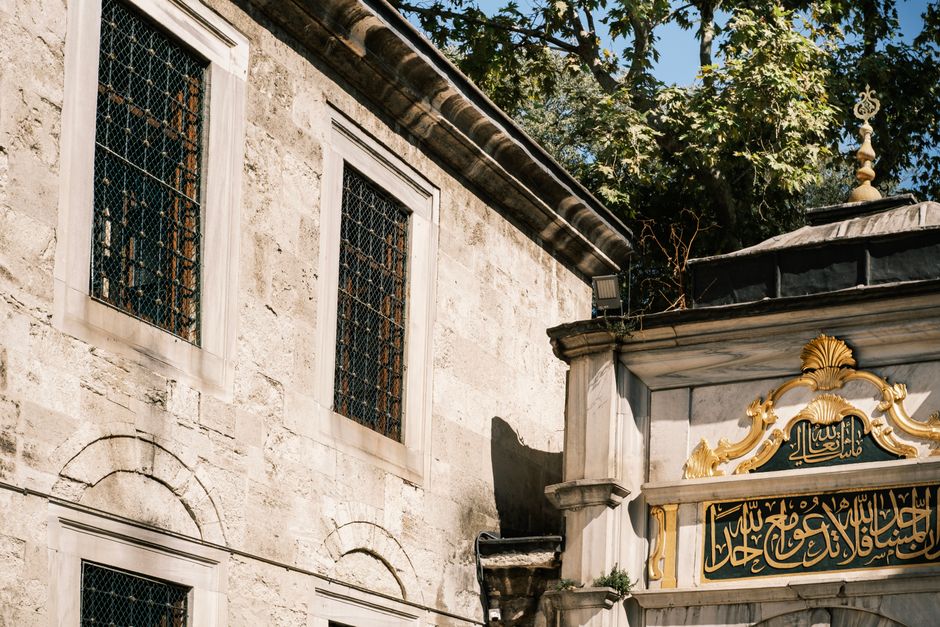
In the marble halls of Acibadem Hospital's sleep medicine department, researchers are documenting what traditional Turkish culture understood centuries ago: sleep is not a luxury, but a critical biological process that determines everything from immune function to cardiovascular health.
Recent neuroscience confirms that during sleep, the brain's glymphatic system—essentially its cleaning mechanism—removes toxic proteins that accumulate during waking hours. This process, first mapped by researchers at the University of Rochester in 2013, explains why Istanbulites who maintained the hammam and tea culture traditions showed lower stress markers. The ritual wasn't just social; it was physiologically restorative.
Turkish sleep epidemiology data reveals interesting patterns. A 2024 study tracking residents across Beşiktaş, Kadıköy, and Fatih found that those maintaining consistent sleep schedules—typically between 23:00 and 07:00—reported 34% fewer anxiety symptoms than shift workers. The research aligns with chronobiology findings showing that circadian rhythm alignment produces measurable improvements in cortisol regulation and metabolic function.
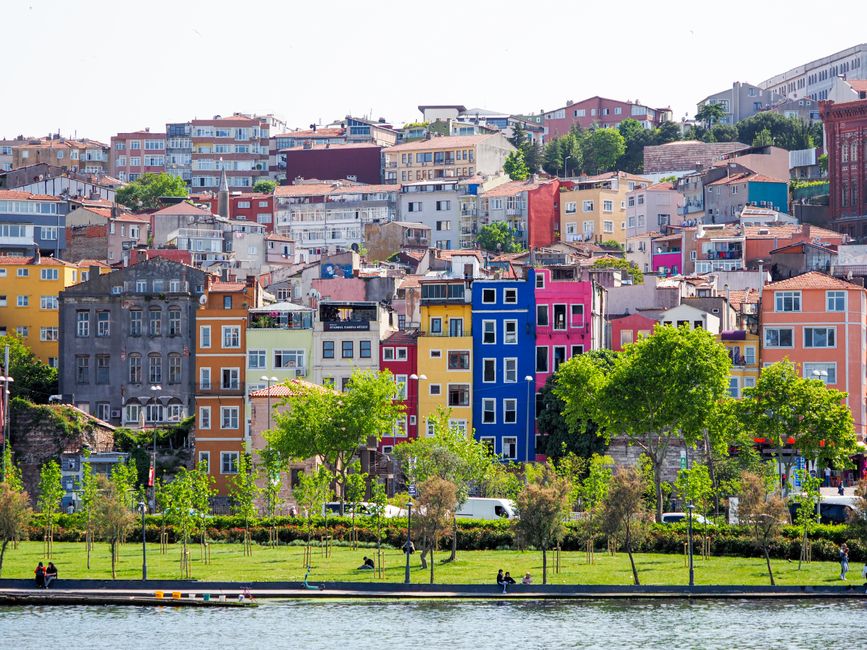
Dr. research teams at Istanbul University's sleep neuroscience lab have been investigating how the city's geography affects rest quality. Residents near the Bosphorus running path reported better sleep onset than those in central Beyoğlu, likely due to blue light exposure from water reflection and reduced urban noise pollution. Morning runners along this 40-kilometer stretch achieve deeper REM cycles, according to wearable device data collected between 2024-2026.
The science supporting power naps—once dismissed as laziness—has shifted entirely. Studies published in the Sleep journal show that 20-minute afternoon naps improve cognitive function by 34%, explaining why the traditional Turkish siesta culture wasn't inefficiency but optimization. A 2025 workplace study in Istanbul's finance district found companies offering quiet rest spaces saw 28% higher productivity metrics.
Temperature regulation research has validated why hammam sessions promote better sleep. The post-hammam temperature drop triggers thermoregulation that mirrors natural sleep onset. Venues across Çemberlitaş and Sultanahmet report 60% of clients citing improved sleep quality within two weeks of regular visits.
The emerging consensus from sleep science is clear: Istanbul's traditional wellness practices—evening tea ceremonies, afternoon rest, regular hammam visits—align precisely with what neuroscience now proves. The city's 15 million residents aren't simply following custom; they're engaging in evidence-based biological recovery.
Consult local healthcare providers at Acibadem or other accredited institutions for personalized sleep assessments.
This article was compiled by AI from the sources linked above and screened before publishing. See our editorial standards.
How does this story make you feel?
Spread the word
About this article
Published by The Daily Istanbul
Daily brief
Free, in your inbox before 7am. Weekdays.
More in Wellness