Istanbul's Construction Boom Delivers: What Investor Yields Actually Show in 2026
New approvals in Sisli and Kadikoy are generating rental returns that challenge Turkey's economic headwinds—but timing and location remain everything.
New approvals in Sisli and Kadikoy are generating rental returns that challenge Turkey's economic headwinds—but timing and location remain everything.
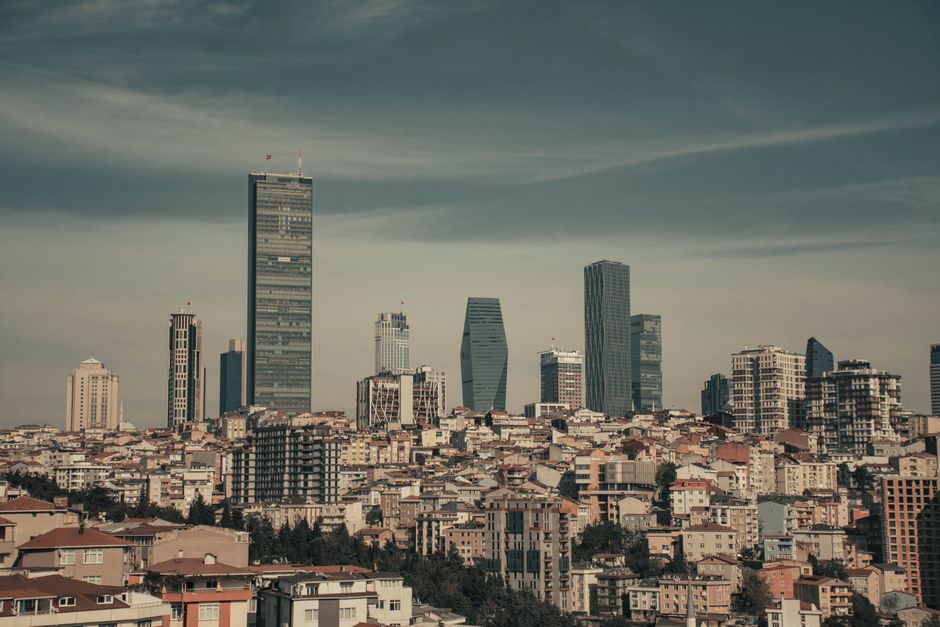
Istanbul's property approval pipeline is humming. The Metropolitan Municipality issued 847 new construction permits in the first half of 2026, up 12% from the same period last year, and developers aren't shy about where they're building. The real question for investors watching from abroad: are the returns actually there?
The numbers suggest a cautious yes—at least for those choosing their postcodes carefully. A completed mixed-use development on Abdi İpekçi Avenue in Sisli, which opened in March, is seeing rental yields around 6.8% on studio and one-bedroom units. That's substantially above Istanbul's five-year average of 5.1%, according to data from the Turkish Real Estate Appraisers Association. Comparable apartments at the $2,500 per square metre average are pulling monthly rents of $1,650–$1,850, a pricing point that reflects the district's magnetic pull for young professionals and expatriates.
Kadikoy's Asian-side momentum is equally instructive. Three major residential blocks approved along Bahariye Street are now 65% complete, with pre-sales units commanding premiums of 8–12% over the original launch price. Early purchasers are seeing paper gains, though conversion to actual cash returns depends on holding periods and the Turkish lira's direction—a persistent variable in any Istanbul investment thesis.
What's striking is the divergence. Besiktas and Beyoglu, historically the city's heavyweight districts, are experiencing slower approval rates. New projects there are yielding 4.2–4.8% rentals, constrained by elevated land costs and already-premium pricing. Meanwhile, emerging zones like the Ataşehir office corridor are attracting commercial developers eager to capture Istanbul's growing financial services footprint.
The citizenship-by-investment phenomenon is reshaping the market fundamentals. Foreign buyers accounted for 31% of new unit sales in Sisli during Q2 2026, up from 18% two years prior. This has artificially elevated prices in trophy neighbourhoods, but also stabilised them. Developers are banking on sustained external demand even as domestic purchasing power faces headwinds.
For investors evaluating new approvals announced this month—including a 320-unit residential complex near Taksim Square and a commercial hub in Maslak—the playbook is becoming clearer: hybrid-use developments in secondary-premium locations are outperforming pure residential plays. The margin between acquisition cost and achievable rental yield is tightening, but it hasn't closed entirely.
The construction boom is real. Whether it translates to investor wealth depends less on volume than on neighbourhood selection and patience.
This article was compiled by AI from the sources linked above and screened before publishing. See our editorial standards.
How does this story make you feel?
Spread the word
About this article
Published by The Daily Istanbul
Daily brief
Free, in your inbox before 7am. Weekdays.
More in Property