Istanbul Property Guide: Best Neighbourhoods for 2026 Buyers
Citizenship investment demand is reshaping Istanbul's real estate map. Here's where to find genuine value beyond premium zones.
Citizenship investment demand is reshaping Istanbul's real estate map. Here's where to find genuine value beyond premium zones.
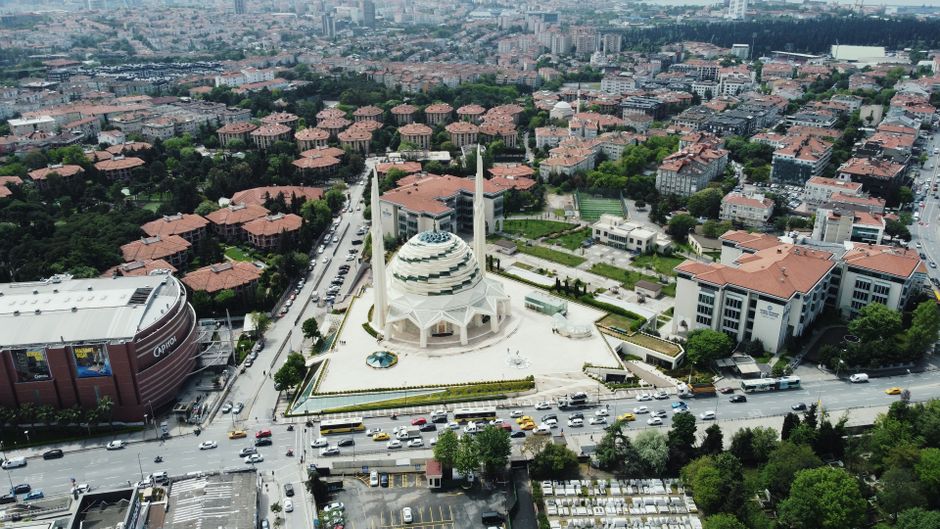
Istanbul's property market has transformed dramatically. Where foreign investors once clustered around Besiktas's waterfront penthouses and Beyoglu's restored townhouses, savvy first-time buyers are now mapping a more nuanced landscape—one where neighbourhood fundamentals matter as much as prestige postcodes.
The fundamentals remain stark: Istanbul averages USD 2,500 per square metre, but geography is destiny. Besiktas and Beyoglu command 40-60% premiums, their appeal anchored in transport links, international schools, and established expat networks. Yet these zones are crowded. New capital is flowing toward Sisli, where regeneration along Cumhuriyet Caddesi has attracted boutique retail and contemporary dining without the Beyoglu price tag. First-time buyers report finding 110-130 sqm apartments here for USD 550,000-650,000—meaningful savings that free capital for renovation or future leverage.
The Asian side narrative deserves equal weight. Kadikoy has evolved beyond bohemian charm into a serious investment play. The neighbourhood's walkability—anchored by Kadikoy Meydani and the Thursday market on Caferaga Caddesi—mirrors European precedent: liveable, services-rich areas command longevity premiums. Rents here average 8-10 per cent annually, supporting mortgage serviceability for leveraged buyers.
Citizenship-by-investment demand has created pockets of speculative pricing, particularly in new-build clusters near metro stations. First-time buyers should differentiate: completed projects with occupancy certificates (Tapu) offer security; off-plan purchases require lawyer diligence and escrow verification through Turkey's Property Registry Office (Tapu Kadastro Genel Müdürlüğü).
Three practical frameworks for neighbourhood selection: First, audit transport connectivity. Metro proximity to employment hubs (Levent financial district, Maslak tech corridor) justifies premiums. Second, assess supply-demand dynamics by neighbourhood, not city-wide. Eyup, Balat, and Fener are experiencing gentrification-driven appreciation, but saturation is rising. Third, validate rental yields. Areas with strong tenant demand—proximity to universities like Sabanci in Tuzla, or international schools—buffer against price volatility.
Currency hedging matters. Most transactions price in USD, but Turkish Lira volatility means euro-denominated mortgages can offer lower rates. Seek licensed real estate appraisers (MUBA-certified) for independent valuations; vendor estimates often exceed market reality by 15-20 per cent.
The golden rule: visit neighbourhoods at different hours. Walk Bahariye Caddesi in Kadikoy at 8am and 10pm. Check parking realities, noise profiles, and street-level vibrancy. First-time buyer regret typically stems from poor neighbourhood fit, not property quality. In Istanbul's fractured geography, that distinction remains decisive.
This article was compiled by AI from the sources linked above and screened before publishing. See our editorial standards.
How does this story make you feel?
Spread the word
About this article
Published by The Daily Istanbul
Daily brief
Free, in your inbox before 7am. Weekdays.
More in Property