Istanbul's property market is caught between contradictory forces. New construction approvals have accelerated dramatically across the city's emerging zones, yet prices remain resilient—even climbing in pockets where supply is exploding. Understanding what's driving this apparent paradox is essential for any buyer navigating the market in mid-2026.
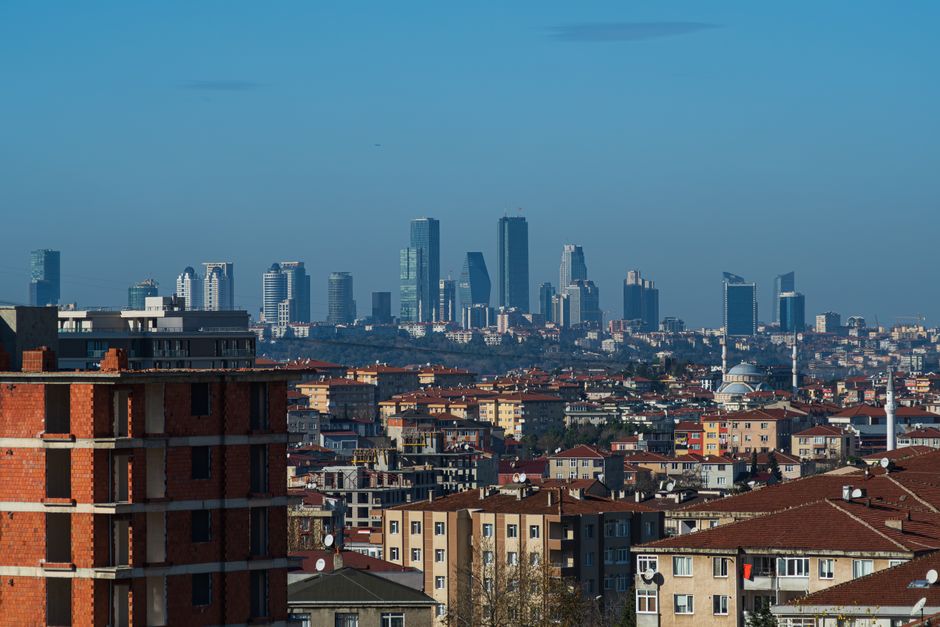
The Construction and Housing Ministry has greenlit over 40 significant projects across Sisli, Kadikoy, and surrounding districts this quarter alone. Sisli, once considered a mature market, has become a hotspot for mid-rise residential developments, with several towers rising along Halaskargazi Caddesi and around Osmanbey Metro. These projects are adding thousands of units annually—a supply shock that should theoretically temper price growth. Yet prices in the neighbourhood have crept upward, now averaging around $3,200 per square metre, up from $2,800 eighteen months ago.
The explanation lies in two structural factors reshaping demand. First, foreign investment driven by Turkey's citizenship-by-investment programme remains robust. While regulatory tightening has raised minimum purchase thresholds to approximately $250,000 for most properties, wealthy international buyers continue viewing Istanbul real estate as a hedge against currency volatility. Second, domestic migration from Anatolia to the city hasn't slowed—if anything, it's accelerated, underpinning baseline demand even as new supply comes online.
Premium neighbourhoods tell a different story. Besiktas and Beyoglu, where limited land availability restricts new approvals, have become effectively supply-constrained. Properties fronting the Bosphorus or near Taksim Square command $4,500–$5,800 per square metre, with little new inventory forthcoming. Developers pursuing approvals in these areas face heritage protections and zoning restrictions that keep projects small and selective.
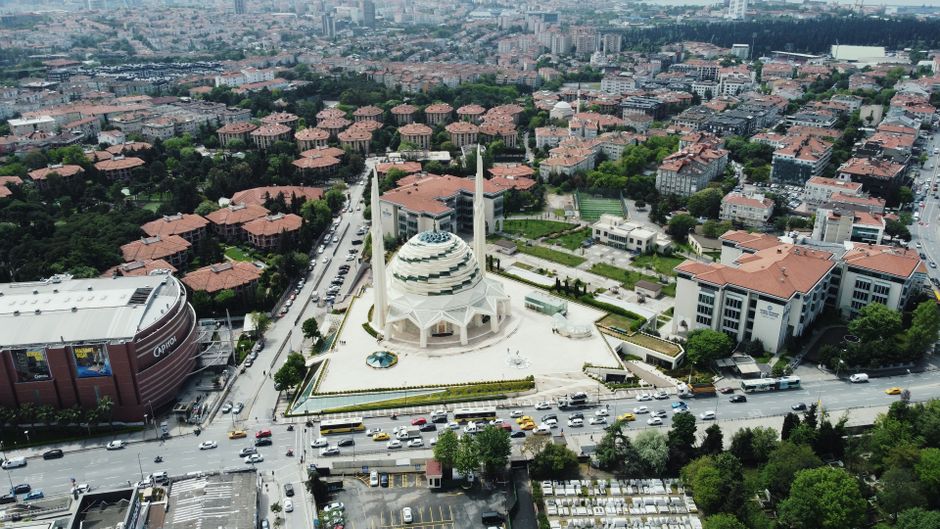
Kadikoy's Asian-side growth presents the market's most intriguing case study. New approvals have flooded the waterfront and areas around Bagdat Caddesi, yet the neighbourhood's transformation into a lifestyle destination—with new cultural venues and improved transit links—has sustained price momentum. Properties here now run $2,900–$3,400 per square metre, competitive with many European capitals.
For buyers, the lesson is nuanced. New construction in secondary zones like Sisli and Kadikoy offers relative value and modern amenities, but should be viewed as medium-term investments rather than immediate appreciation plays. Premium neighbourhoods with constrained supply remain the safer choice for those seeking price stability, though entry costs are substantially higher. Track approval pipelines and completion timelines carefully—oversupply in any single neighbourhood typically takes 18–24 months to materialise in price corrections.
This article was compiled by AI from the sources linked above and screened before publishing. See our editorial standards.