Supply Shock Coming: How Istanbul's New Towers Will ...
Major residential projects along the Bosphorus and in Sisli are about to flood the market—here's what renters need to know before signing.
Major residential projects along the Bosphorus and in Sisli are about to flood the market—here's what renters need to know before signing.
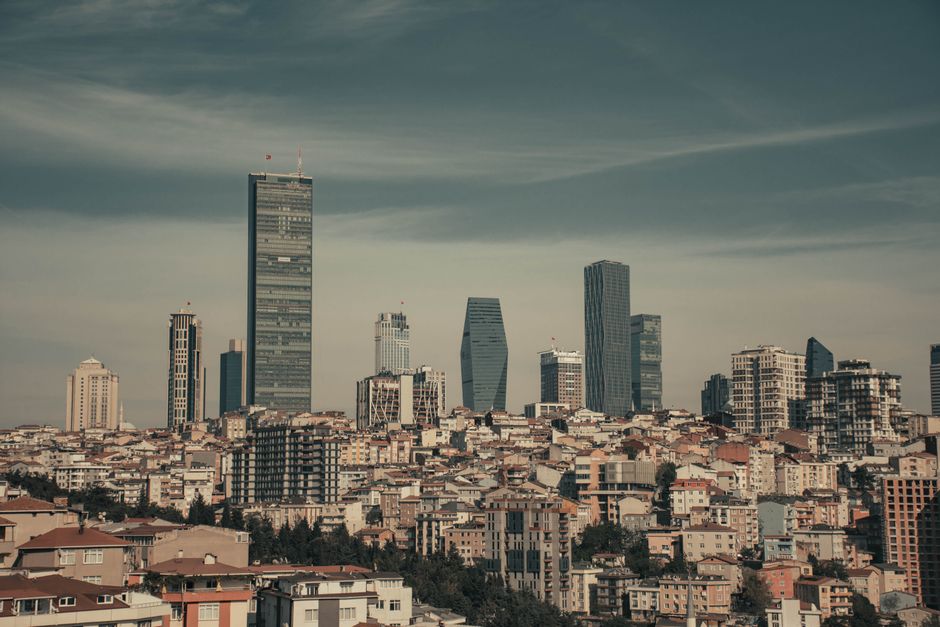
Istanbul's rental market is at an inflection point. For years, tight supply and steady foreign demand have kept vacancy rates below 5% across premium neighbourhoods, but a wave of new development projects threatens to rebalance the equation—and potentially shift leverage back to tenants for the first time in a decade.
The most significant pressure is coming from Sisli, where three major mixed-use towers are expected to deliver over 800 units by late 2027. Combined with ongoing projects around Taksim and along the newly revitalised Bomontiada corridor, the district's rental stock is poised to grow by roughly 12% over the next 18 months. For comparison, Sisli averaged just 2–3% annual supply growth between 2020 and 2025.
On the Asian side, Kadikoy's transformation is equally dramatic. The ongoing waterfront development near Moda neighbourhood and the expansion of commercial districts around Bostanci are creating mixed-income residential opportunities that didn't exist three years ago. Current vacancy rates in Kadikoy hover around 3%, but agents expect that to climb to 6–7% by mid-2027 as new stock comes online.
Even Besiktas and Beyoglu—traditionally the city's tightest rental markets—aren't immune. Luxury conversions in Ottoman warehouses along Ortakoy's waterfront and new boutique residential buildings near Istiklal Caddesi are adding perhaps 300 premium units to a district that rarely sees turnover. Average rents in Beyoglu currently sit at $3,800–$4,200 per square metre annually, but new competition could nudge that down 8–12% within two years.
What does this mean for tenants? Several things. First, lease renewal negotiations are about to become less landlord-friendly. Tenants can finally shop around rather than accept above-inflation rent hikes. Second, amenities will matter more—buildings without gyms, co-working spaces, or green terraces will struggle to retain occupants once alternatives exist. Third, location premiums may compress; renters willing to live in developing areas like Sisli's southern edges or Kadikoy's emerging tech quarter will find genuine value.
For international residents—citizenship by investment applicants and corporate expats—the timing is favourable. Instead of competing for scarce inventory at inflated premiums, they can now negotiate longer-term agreements with genuine landlord flexibility. The citizenship-by-property programme has historically driven demand in Besiktas, but new supply should cool speculative landlord behaviour.
The key is timing. Renters entering the market now may still face tight conditions through Q3 2026, but by late 2027, Istanbul's rental landscape will feel fundamentally different—more balanced, more competitive, and finally more tenant-friendly than it's been in years.
This article was compiled by AI and screened before publishing. See our editorial standards.
How does this story make you feel?
Spread the word
About this article
Published by The Daily Istanbul
Daily brief
Free, in your inbox before 7am. Weekdays.
More in Property