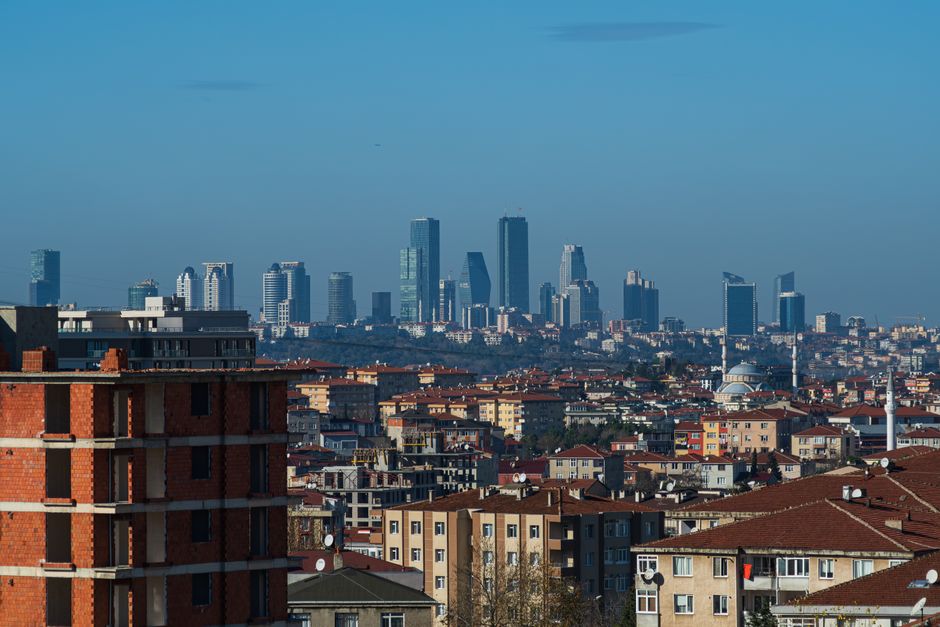
The rental market in Istanbul has become a paradox of opposing pressures. While property values across the city have climbed steadily—with premium neighbourhoods like Beşiktaş and Beyoğlu commanding prices well above the city's $2,500/sqm average—the middle ground where most renters and landlords operate has narrowed considerably.
For tenants in popular districts like Kadıköy and Şişli, rent increases have outpaced wage growth for three consecutive years. A one-bedroom apartment in Kadıköy's waterfront area now commands 45,000–55,000 Turkish Lira monthly, a 28% increase since 2023. Meanwhile, similar units in emerging neighbourhoods like parts of Şişli hover around 35,000 TL, reflecting the district's growing appeal as an alternative to overcrowded central areas. Young professionals and families are increasingly pushed toward outer districts along the Bosphorus or into Anatolian side neighbourhoods, fundamentally reshaping the city's residential geography.
Landlords, however, face their own squeeze. Property taxation has increased, maintenance costs continue climbing, and insurance premiums have risen sharply. Many older building owners struggle with modernisation demands—particularly around energy efficiency standards—while managing tenant disputes over deposit returns and lease renewal terms. The regulatory environment has also tightened, with local authorities in Beyoğlu and Beşiktaş enforcing stricter compliance requirements for short-term rental conversions, a trend that has reduced the flexibility landlords once enjoyed.
The citizenship-by-investment programme has further complicated dynamics. Foreign investors acquiring properties around Taksim Square and near Galata Tower are increasingly purchasing for capital appreciation rather than rental yield, removing units from the long-term rental stock and inflating purchase prices that indirectly pressure rental rates upward.
Microeconomic data suggests cracks are forming. Several property management firms report longer vacancy periods—averaging 2–3 months in secondary locations—as prospective tenants delay moves or negotiate harder terms. Conversely, organised landlord groups operating across Sisli and Kadıköy have begun coordinating on rental terms, a practice consumer advocates argue limits tenant negotiating power.
The rental market's current trajectory appears unsustainable without intervention. If purchase prices continue accelerating toward $3,000/sqm in premium zones while rental yields compress, many small landlords may exit the market entirely, potentially concentrating property ownership among large institutional investors—a shift that could fundamentally alter how Istanbul's renters access housing.
This article was compiled by AI from the sources linked above and screened before publishing. See our editorial standards.