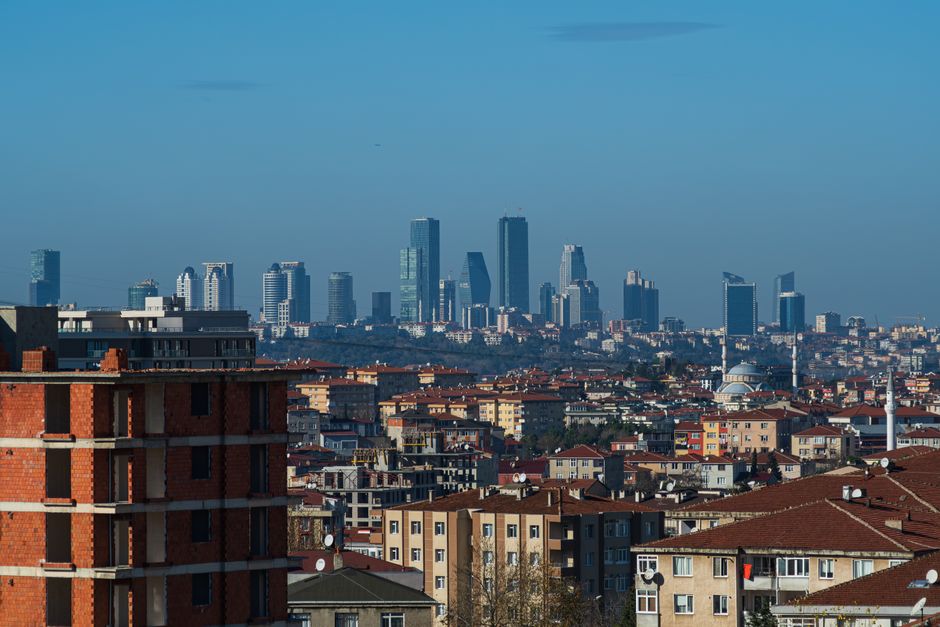
Sisli has long occupied an intriguing middle ground in Istanbul's property hierarchy—proximate to the glittering premium neighbourhoods of Besiktas and Beyoglu, yet historically overlooked as a secondary investment play. That calculus is shifting dramatically as a cluster of transformative development projects reshape the district's infrastructure and appeal.
The catalyst is clear: three major mixed-use developments currently under construction along the Cumhuriyet Caddesi corridor and adjacent arterial roads are fundamentally altering how investors and residents perceive the neighbourhood's future. These projects—combining high-rise residential towers, branded hospitality offerings, and modern office space—are expected to add approximately 2,800 residential units and 180,000 square metres of commercial space by 2028.
Market data reflects the shift. Properties in central Sisli have appreciated 18–22 per cent over the past 18 months, according to local appraisers, outpacing broader Istanbul averages of 12–15 per cent. Entry-level apartment prices now hover between $1,900–$2,200 per square metre—a meaningful premium over outer districts, yet still 15 per cent below comparable Beyoglu stock. For investors, the arithmetic is compelling: lower absolute entry cost with upside potential tied to tangible infrastructure delivery.
The appeal extends beyond numbers. Sisli's proximity to Taksim Square, the Metrobus terminal on Mecidiyekoy Avenue, and the forthcoming metro extension to Haciosman positions the neighbourhood as a genuine transport hub. Families and young professionals increasingly favour the balance: easier commutes to the European side without the stratospheric pricing of established premium zones.
Foreign investment—particularly from Gulf Cooperation Council nationals and European citizens pursuing residency—is accelerating. The citizenship-by-investment programme has funnelled capital into larger, turnkey projects here rather than boutique properties in saturated Besiktas. Developers are responding by marketing units explicitly to international buyers, incorporating rental guarantees and property management services.
The shadow side warrants scrutiny. Rapid densification raises questions about infrastructure capacity—schools, water systems, and parking—that municipal authorities are racing to address. Local residents express concern over construction traffic and noise disruption extending through 2027–28. Property owners in surrounding streets report anxiety about future zoning changes and potential traffic congestion from completed developments.
Still, for forward-looking investors, Sisli represents a rare convergence: genuine structural development, pricing still below peak-premium zones, and documented foreign buyer interest. The neighbourhood's transformation is no longer hypothetical. The question is whether current valuations adequately reflect what's coming.
This article was compiled by AI from the sources linked above and screened before publishing. See our editorial standards.