Istanbul's Luxury Play: What Double-Digit Yields Tell Investors About High-End Returns
As foreign capital floods prestige neighbourhoods, fresh data reveals which Istanbul addresses are delivering real wealth creation—and which are priced for hope.
As foreign capital floods prestige neighbourhoods, fresh data reveals which Istanbul addresses are delivering real wealth creation—and which are priced for hope.
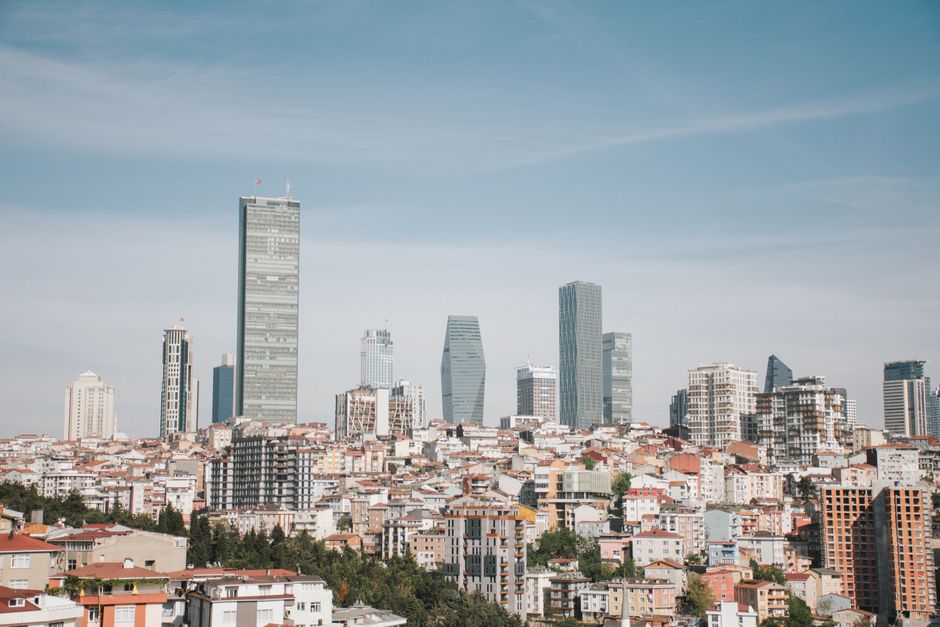
The mathematics of luxury property in Istanbul have shifted decisively. While the city's median residential market hovers around $2,500 per square metre, high-end investors are watching something far more compelling: net yields on prestige apartments now routinely exceed 6–8 percent annually, with select Besiktaş waterfront assets pencilling in closer to 10 percent when factoring in rental demand from corporate relocations and citizenship-by-investment buyers.
Data from transaction flows across 2025–26 tells the story. A 250-square-metre apartment in Besiktaş's Akaretler—the restored 19th-century Ottoman row houses near the Ciragan Palace—traded at approximately $1.8 million in early 2025. By mid-2026, comparable units command $2.1–$2.3 million, representing 15–20 percent appreciation. More tellingly, monthly rental returns on furnished units consistently hit $8,000–$12,000, translating to gross yields of 5–6 percent before expenses.
Sisli's emergence has accelerated this calculus. The neighbourhood's transformation—anchored by new commercial development near Osmanbey and Nisantasi's luxury retail corridor—has attracted investor capital previously locked in Beyoglu's narrower streets. New-build apartments in curated developments along Abdi Ipekci Avenue are moving at $3,200–$3,800 per square metre, yet the tenant pipeline remains robust, with expat professionals and regional wealth from Gulf markets competing for limited stock.
Kadikoy, the Asian side's answer to bohemian prestige, presents a contrarian opportunity. Prices lag European-side equivalents by 20–30 percent despite comparable lifestyle amenities and stronger residential stability. Mid-market apartments ($1.2–$1.6 million) near Moda and Caferaga neighbourhoods yield 7–8 percent, with less volatility than trophy assets.
The citizenship-by-investment phenomenon—Turkey's residency programme for $250,000+ property buyers—continues rewriting fundamentals. Turkish statistical bodies don't isolate this cohort, but transaction data from major agencies suggests foreign investors now represent 35–40 percent of prestige-segment purchases, up from roughly 20 percent in 2022. This creates dual-use demand: owner-occupancy plus rental monetisation.
What the numbers don't capture is timing risk. Prestige markets move on sentiment as much as yield. Currency volatility—the Turkish lira has fluctuated 8–12 percent annually against the dollar—can erase several quarters of gains for foreign investors hedging in hard currency. Yet for those with five-to-ten-year horizons, Istanbul's luxury market remains one of Europe's last pockets where double-digit total returns remain achievable without resort to leverage or emerging-market excess.
This article was compiled by AI from the sources linked above and screened before publishing. See our editorial standards.
How does this story make you feel?
Spread the word
About this article
Published by The Daily Istanbul
Daily brief
Free, in your inbox before 7am. Weekdays.
More in Property