Istanbul's property market has long pivoted around the glittering waterfront precincts of Besiktaş and the creative hubs of Beyoğlu, where a single square metre commands upwards of $4,000. But savvy investors are increasingly training their sights on Bahçelievler, where a convergence of affordable housing policy, transport investment, and urban regeneration is creating an unexpected opportunity in a district most international buyers have overlooked.
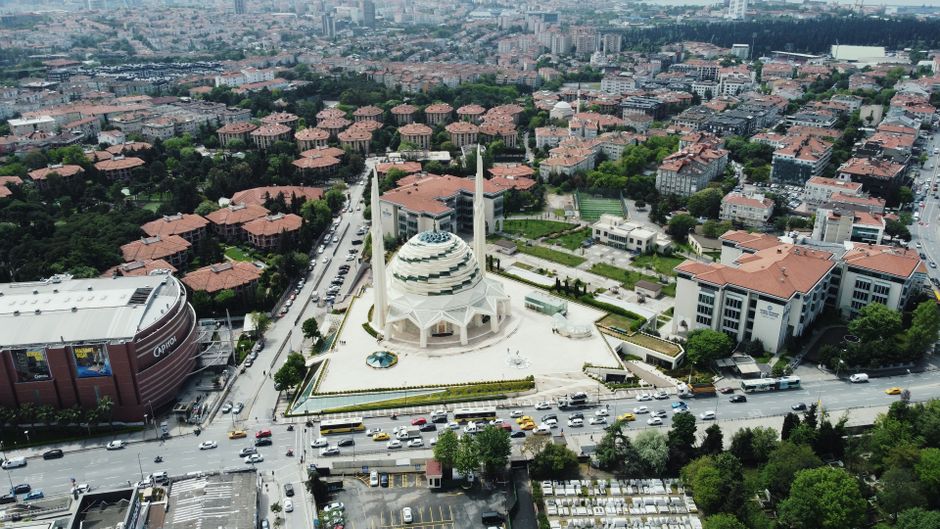
The shift gained momentum following the municipality's 2024 affordable housing framework, which designated Bahçelievler as a priority zone for mixed-income residential development. Unlike central Istanbul's average of $2,500 per square metre, new projects in Bahçelievler's regenerated corridors—particularly along Vatan Caddesi and near the recently expanded Bahçelievler Metro Station—are priced between $1,600 and $2,100 per sqm. For local families and first-time buyers, this represents a 30–35% discount to wider market rates.
"The economics are compelling," according to local property brokers tracking the district. Three major social housing complexes have broken ground since early 2025, backed by both municipal housing associations and private developers incentivised through tax breaks and accelerated permitting. These projects are designed for mixed tenure—roughly 60% affordable units, 40% market-rate apartments—a model that has attracted institutional investors hedging against Istanbul's cyclical volatility.
What distinguishes Bahçelievler from other affordable housing plays is infrastructure momentum. The Marmaray extension work underway promises commute times to Taksim of under 20 minutes by 2027. Meanwhile, the pedestrianisation of Bahçelievler's historic bazaar district and the opening of a new cultural campus near the Bahçelievler Community Centre have improved amenity scores sharply. Local restaurants and cafés along Nenehatun Caddesi now draw young professionals priced out of Sisli, the adjacent premium district where rents have surged 18% year-on-year.
Citizenship-by-investment demand, which has historically concentrated in trophy postcodes, is also fragmenting. Foreign buyers increasingly recognise that Bahçelievler's affordability, coupled with guaranteed appreciation from policy backing and transport links, offers steadier long-term returns than speculative plays in saturated zones.
Challenges remain: permitting delays and construction financing gaps have slowed some projects. Yet with city planners pledging 8,000 affordable units by 2028 across the broader Fatih and Eyüp districts, Bahçelievler has emerged as the vanguard. For investors seeking exposure to Istanbul's housing story beyond the usual suspects, the district now warrants serious attention.
This article was compiled by AI from the sources linked above and screened before publishing. See our editorial standards.