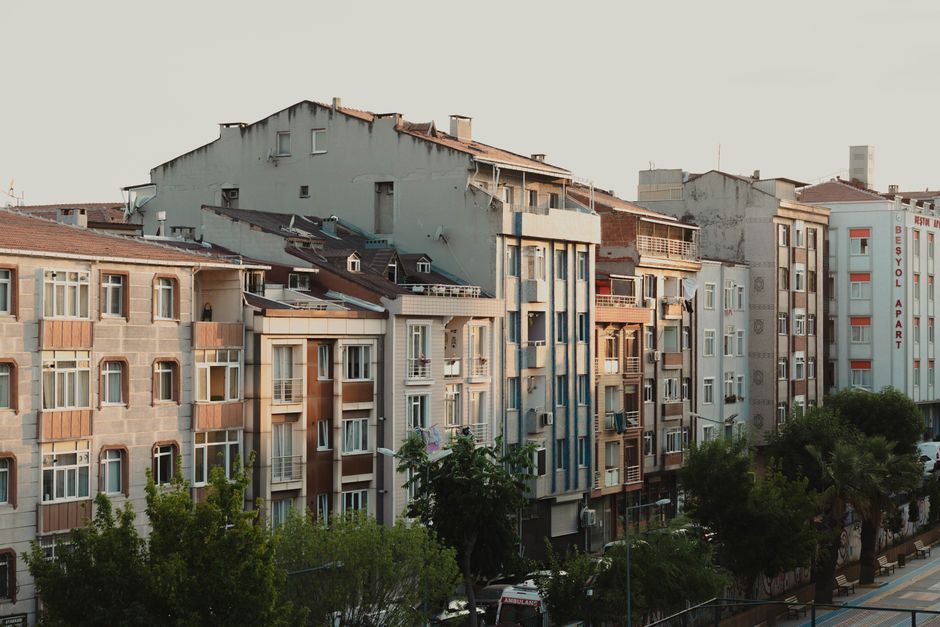
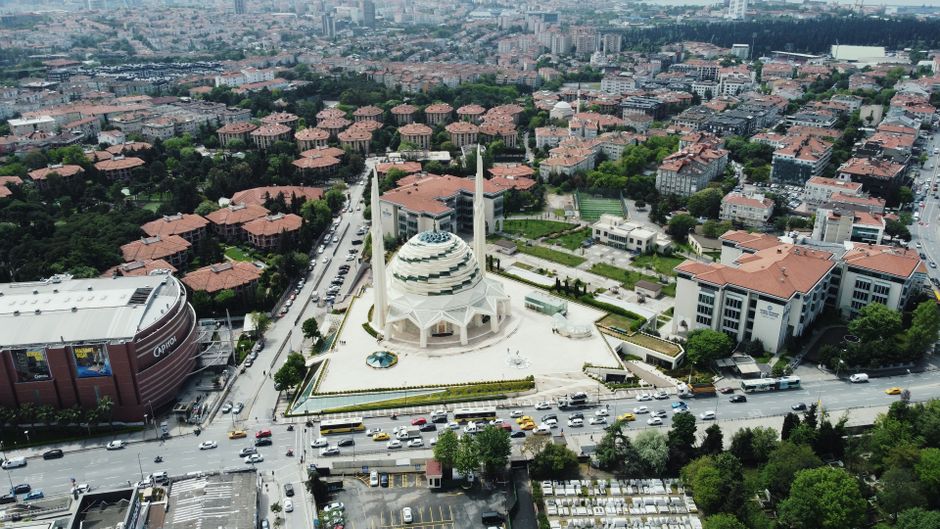
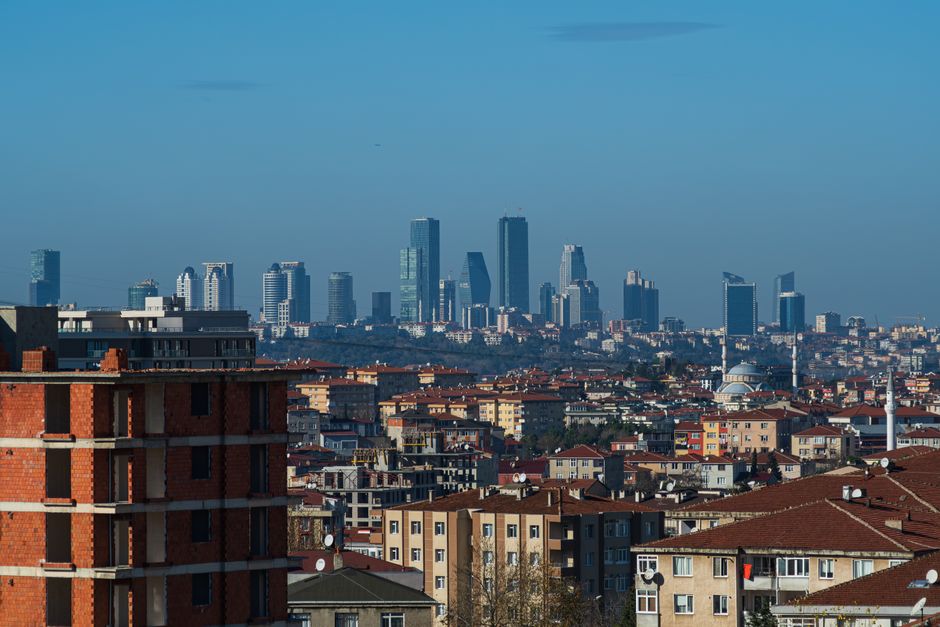
Istanbul's property market has always been cyclical, but 2026 marks a turning point that landlords cannot afford to ignore. The wave of new development projects—from mixed-use complexes along the Haliç to residential towers in Sisli—is fundamentally altering yield expectations and tenant demand across the city's most coveted neighbourhoods.
Consider what's unfolding in Sisli. Once a secondary choice for international investors compared to Besiktas or Beyoglu, the district is experiencing a genuine transformation. New metro connections and the completion of several boutique office-residential hybrids have pushed average rental yields to 4.5–5.2%, compared to the city average of around 3.8%. Property owners who purchased here three years ago are now seeing both capital appreciation and improved rental income as young professionals and expat families seek locations with modern amenities and proximity to business districts.
The Kadikoy waterfront on the Asian side tells a different story. While residential yields remain steady at 3.9–4.1%, the emerging tech corridor around Moda and the Bagdat Caddesi expansion is attracting younger demographics. Landlords adapting their properties to appeal to remote workers—think dedicated office nooks, high-speed internet infrastructure, and shared co-working spaces—are commanding 8–12% premiums on comparable units.
For landlords considering new developments specifically, timing matters enormously. Projects completing their first phases typically offer the strongest yield potential because early buyers benefit from both construction-phase pricing and immediate tenant demand from neighbouring completed units. The recently opened residential cluster near Taksim Square's renovated public spaces, for instance, generated immediate 5.1% gross yields for early investors, compared to 4.2% for similar properties in the established core.
However, new development brings risks. Oversupply in specific micro-locations—particularly around Levent's corporate towers—has softened yields to 3.2–3.6%. Smart landlords are increasingly diversifying across districts rather than concentrating capital in single hotspots. The citizenship-by-investment phenomenon continues driving foreign capital, but it's pushing competition and therefore yields downward in ultra-premium zones like parts of Beyoglu.
The real opportunity lies in understanding how infrastructure projects reshape neighbourhoods over 18–36 months. A property purchased near a new metro entrance or cultural venue often sees rental demand spike within two years as the area's character crystallises. Conversely, developments that fragment a neighbourhood's appeal can suppress yields unexpectedly.
The current market isn't rewarding passive ownership. It rewards landlords who study development pipelines, understand tenant migration patterns, and time their acquisitions accordingly. In that sense, 2026's dynamic is less about quick flips and more about strategic positioning.
This article was compiled by AI from the sources linked above and screened before publishing. See our editorial standards.