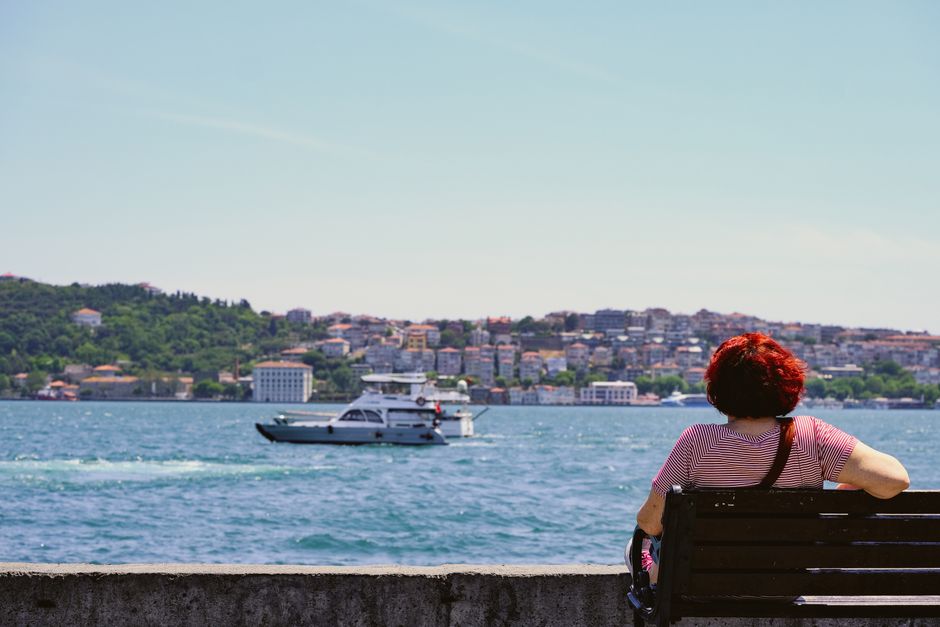
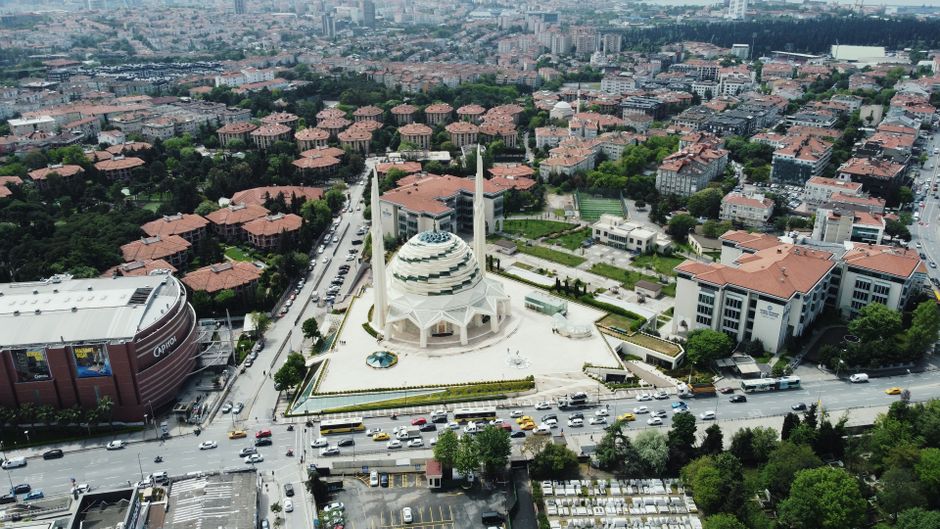
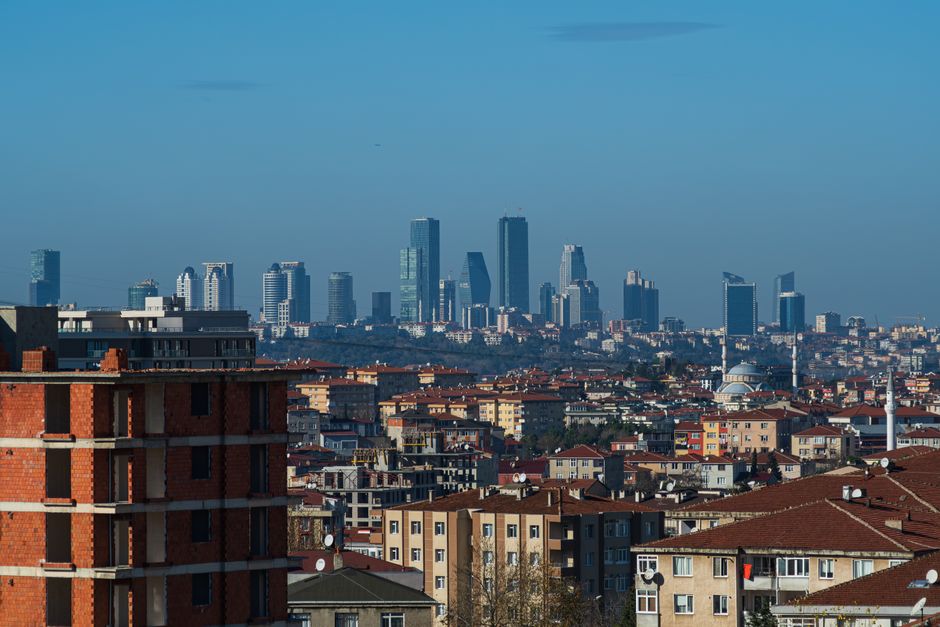
For years, Besiktaş and Beyoğlu dominated Istanbul's investment conversation. But a quiet shift is underway along the European shore, where Arnavutköy—once dismissed as a sleepy village 30km north of the city centre—is emerging as the region's most compelling yield opportunity.
The numbers tell the story. While central Istanbul's average property price hovers around $2,500 per square metre, Arnavutköy waterfront properties are trading at $3,200–$3,800/sqm, yet commanding rental yields of 4.5–5.5% annually—notably higher than Sisli's saturated 2.8–3.2% market. A two-bedroom apartment near the Arnavutköy Sahil Caddesi (Waterfront Road) currently rents for $1,200–$1,400 monthly, against a purchase price of $280,000–$320,000.
What's driving the surge? Three factors. First, the Istanbul Metropolitan Municipality's €150m waterfront regeneration project, now in phase two, is transforming former fish-packing plants and boatyards into mixed-use developments. Second, the newly completed Arnavutköy Marina complex has attracted both leisure and expat renters seeking Bosphorus access without Bebek's stratospheric prices. Third, the Northern Marmara Motorway extension—opening late 2027—will cut commute times to central business districts by 25 minutes, suddenly making the neighbourhood viable for daily commuters priced out of Sisli and Cankiri.
For landlords, the neighbourhood's rental composition matters. Young professionals and corporate expats now occupy 60% of rental stock, drawn by proximity to the new tech corridor clustering around Kemerburgaz. These tenants show high retention rates—averaging 2.8-year leases—compared to Istanbul's transient 1.5-year average. Currency diversification also appeals: many sign contracts in euros or dollars, hedging against Turkish lira volatility.
However, risks exist. The neighbourhood's rapid gentrification is sparking local resistance; several heritage buildings near Arnavutköy's historic fishing villages face demolition disputes. Property tax assessments are rising sharply—up 18% year-on-year for waterfront properties—which will compress yields if rental growth stalls. Additionally, political pressure to preserve the area's Ottoman character may slow development approvals.
Smart investors are moving quickly but selectively. Properties within walking distance of the marina and regeneration zones (roughly the stretch between Arnavutköy Caddesi and the Bosphorus) are absorbing capital most efficiently. Those further inland, beyond the first 500 metres, show softer demand and slower appreciation.
Arnavutköy won't rival Besiktaş's prestige, but for yield-focused landlords willing to manage a neighbourhood in transition, it offers what central Istanbul no longer does: genuine rental income paired with medium-term capital growth. In a market where yield is increasingly scarce, that combination is worth the commute north.
This article was compiled by AI from the sources linked above and screened before publishing. See our editorial standards.