Istanbul's New Wave: What Developer Returns Actually Reveal About the Market
As construction approvals surge across premium neighbourhoods, investor yield data shows a widening gap between coastal and emerging zones.
As construction approvals surge across premium neighbourhoods, investor yield data shows a widening gap between coastal and emerging zones.
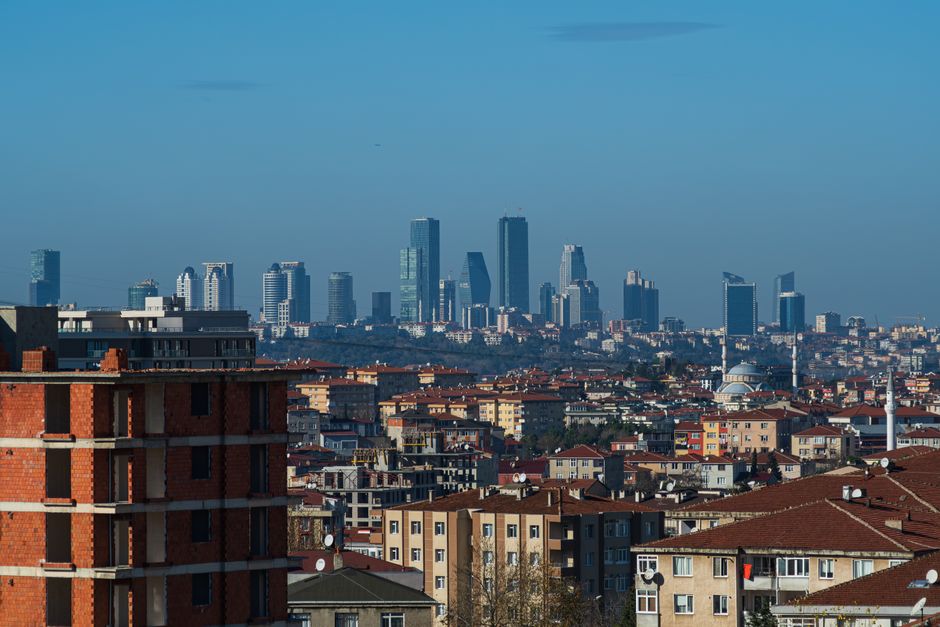
Istanbul's property development pipeline is firing on all cylinders, but the numbers tell a more nuanced story than headline approval figures suggest. Recent completions across Besiktas, Sisli, and the Kadikoy waterfront reveal investor yields ranging from 4.2% to 7.8% annually—a spread that exposes where real money is flowing and where developers are chasing volume over returns.
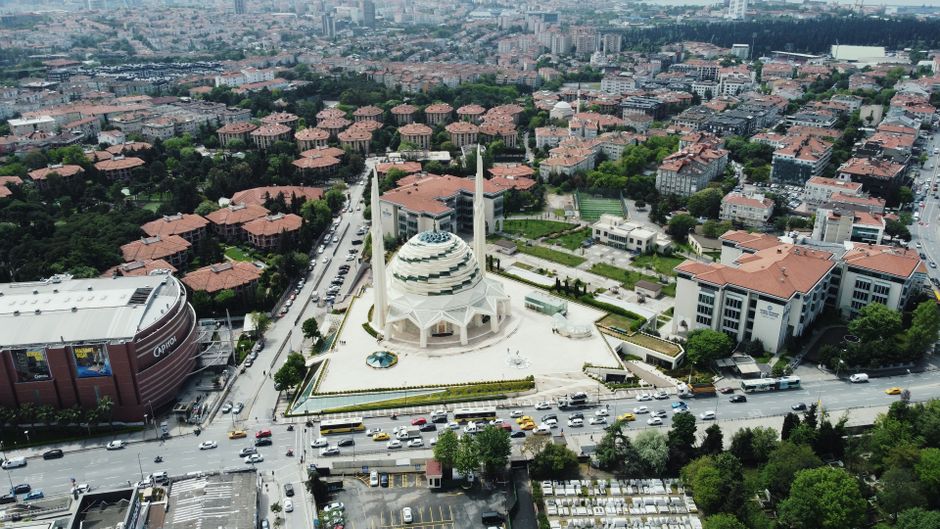
The premium Besiktas corridor, anchored around the Acibadem neighbourhood and stretching toward the Bosphorus, continues to command top-tier pricing. New residential towers completing this year are achieving €3,100–€3,500 per square metre for finished units, with rental yields hovering around 4.2–4.8%. Foreign investors—particularly citizenship-by-investment buyers—absorb much of this supply, prioritising location over cash return. One 240-unit luxury development near Ortakoy, completed in Q1 2026, achieved 94% pre-sales within eight months, yet average tenant yields sit at just 3.9%, undercut by management costs and seasonal vacancy.
Sisli tells a different story. The neighbourhood's emergence as a mixed-use hub has attracted mid-market developers chasing volume. New builds here are pricing at $2,050–$2,400 per square metre, roughly 20% below Besiktas equivalents. The trade-off: yields have climbed to 6.2–6.8% for furnished rental units, attracting yield-conscious local investors and corporate housing funds. Halaskargazi Caddesi, in particular, has seen twelve major projects approved since January 2025, with completion rates expected to spike in 2027.
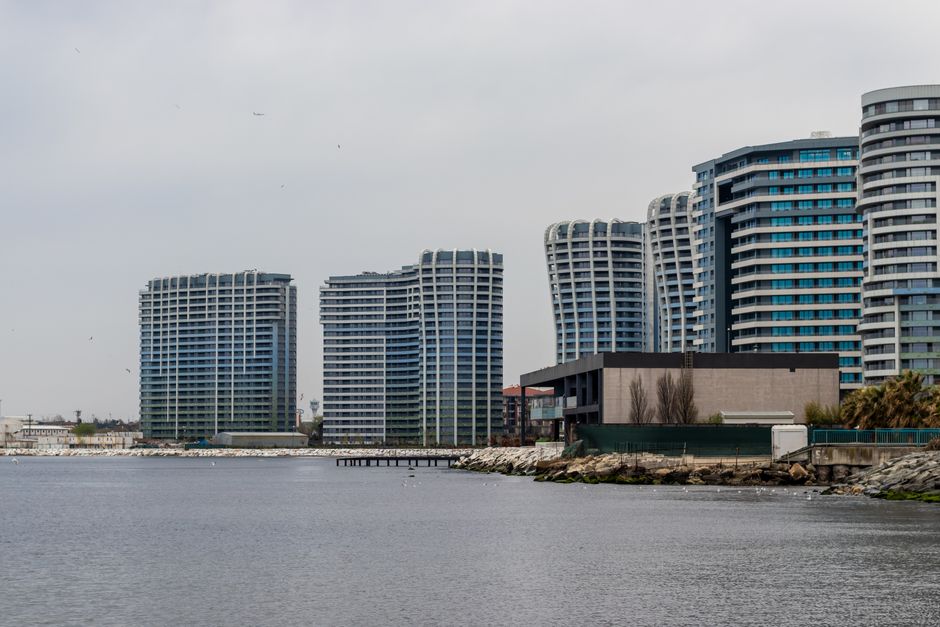
Kadikoy's Asian-side renaissance presents a wildly different calculus. Development approvals here have doubled year-on-year, yet investor psychology remains split. Waterfront precincts near Moda command premium pricing (₺2,900–₺3,200/sqm), but interior Kadikoy projects—targeting young professionals and smaller households—are generating the highest yields in the city. A 156-unit residential project completed near Bagdat Caddesi in May 2026 is achieving 7.8% gross rental yield, with near-100% occupancy among subletting-friendly demographics.
What's driving the divergence? Regulatory clarity. New planning frameworks for mixed-use neighbourhoods have accelerated approvals in Sisli and Kadikoy, flooding supply into price-sensitive segments. Meanwhile, Besiktas remains constrained by heritage overlays and foreshore limits, supporting margins but crushing volume. The citizenship-investment phenomenon, however, continues to distort traditional yield metrics in premium zones, where investors prioritise residency and capital appreciation over rental income.
For developers reading the data, the message is clear: the days of building first and yield-chasing later are fading. Tomorrow's profitable projects will target specific investor personas—foreign capital in Besiktas, domestic yield-hunters in Sisli, and subletting arbitrage players in Kadikoy. Size and location, it seems, matter less than matching supply to intent.
This article was compiled by AI from the sources linked above and screened before publishing. See our editorial standards.
How does this story make you feel?
Spread the word
About this article
Published by The Daily Istanbul
Daily brief
Free, in your inbox before 7am. Weekdays.
More in Property