The Squeeze: What's Really Driving Istanbul's Housing Costs—and What Buyers Must Know Now
As citizenship investment and foreign capital reshape the market, affordable housing remains elusive for locals—here's what's happening beneath the headlines.
As citizenship investment and foreign capital reshape the market, affordable housing remains elusive for locals—here's what's happening beneath the headlines.
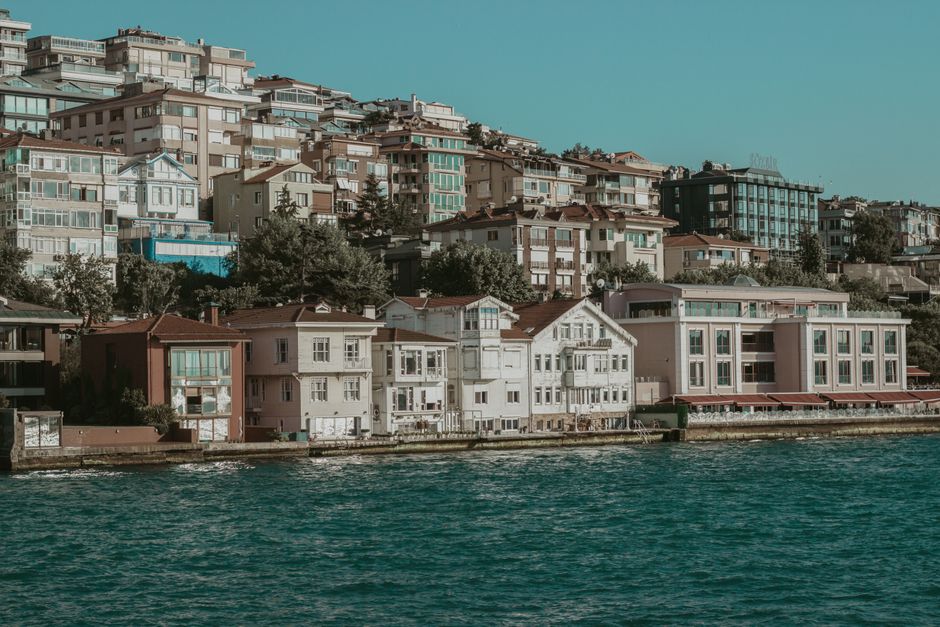
Istanbul's property market has transformed dramatically since 2020. The city's average price of $2,500 per square metre masks a deeper crisis: affordable housing for ordinary residents has become nearly impossible to find, while premium districts like Beşiktaş and Beyoğlu command double or triple that figure.
Three forces are reshaping the market in ways every prospective buyer should understand. First, the citizenship-by-investment scheme, launched in 2017, has created sustained foreign demand. Wealthy international buyers—particularly from the Gulf and Central Asia—treat Istanbul property as a hedge against currency fluctuation and political risk. They're not looking for affordability; they're looking for stability. This capital flow has inflated prices across the Bosphorus, from Ortaköy waterfront apartments to emerging hotspots like Sisli, where conversion of older stock into luxury residential has accelerated.
Second, regulatory tightening around building permits and earthquake-resistant construction standards—necessary after recent tremors—has restricted new supply precisely when demand remains hot. Developers now face longer approval timelines and costlier compliance, which they pass directly to buyers. Kadıköy on the Asian side has seen particularly acute supply constraints, pushing its average upward despite its historical appeal to middle-income families.
Third, institutional investment has arrived. Real estate investment trusts and international funds now compete directly with owner-occupiers, further decoupling prices from what locals can actually afford. A modest two-bedroom in neighborhoods like Fatih or Sultanbeyli—traditionally entry-level areas—now sits at $300,000–$400,000, far beyond first-time buyer capacity.
What does this mean for buyers entering the market now? First, recognise that speculation remains embedded in pricing. Properties near metro expansions or cultural venues like the Borusan Contemporary in Sarıyer trade on future potential, not current fundamentals. Second, the gap between cash-rich foreign buyers and Turkish wage-earners has never been wider. Government-backed housing initiatives through TOKİ (Housing Development Administration) remain crucial but insufficient in scale; their projects typically reach lower-income cohorts, leaving middle-income buyers stranded.
For serious buyers, patience is strategic. Rate cycles may eventually cool demand from currency speculators. Meanwhile, overlooked neighbourhoods like Beylikdüzü or Esenyurt on the European periphery offer better value, though transport accessibility and social infrastructure remain concerns.
The fundamental truth: Istanbul's housing crisis isn't about supply or demand alone—it's about whose money gets to vote. Until policy directly addresses this affordability gap, most locals will keep renting.
This article was compiled by AI from the sources linked above and screened before publishing. See our editorial standards.
How does this story make you feel?
Spread the word
About this article
Published by The Daily Istanbul
Daily brief
Free, in your inbox before 7am. Weekdays.
More in Property