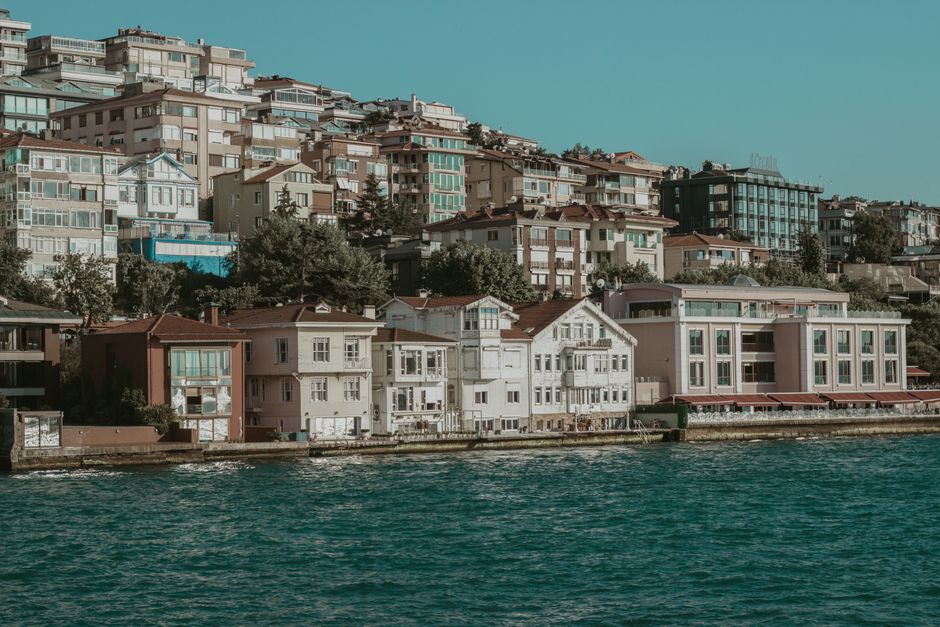
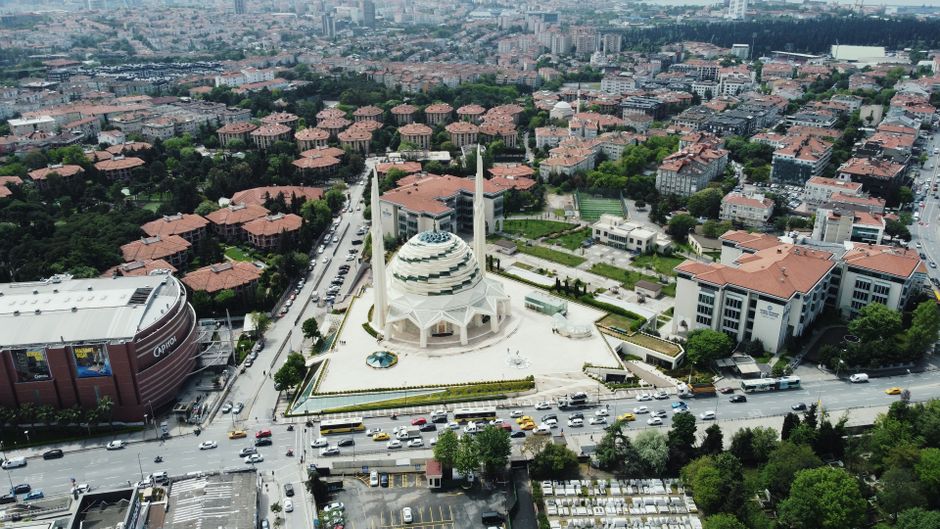
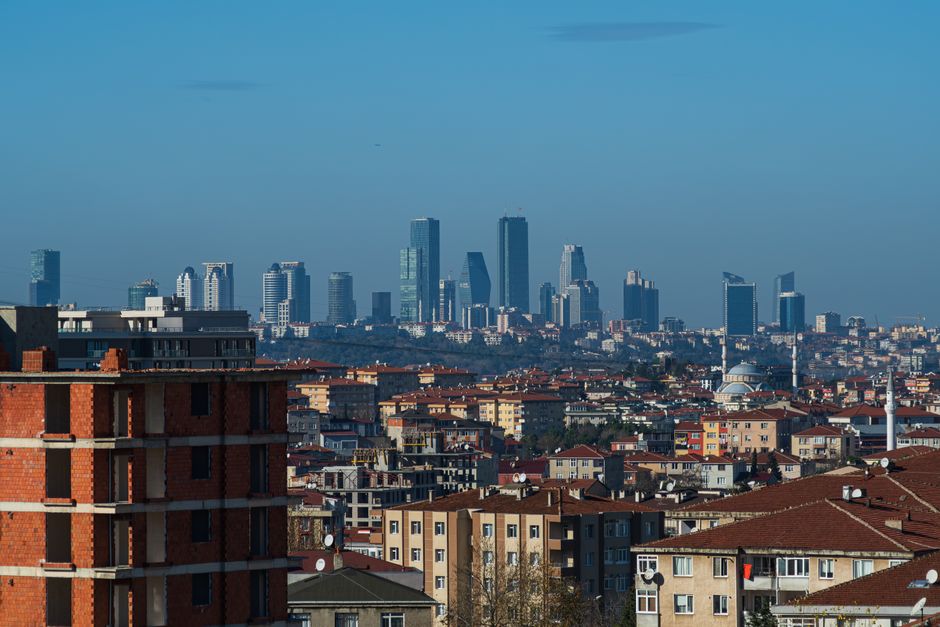
Istanbul's municipal authority has quietly reshaped the city's property landscape with revised zoning classifications that mandate 15% affordable units in new residential projects across the Anatolian side—a policy shift with immediate ramifications for both developers and aspiring homeowners navigating a market where average prices hover at $2,500 per square metre.
The regulation, introduced in April 2026, applies specifically to districts including Kadıköy, Ümraniye, Maltepe, and Pendik, where speculative land purchases have historically outpaced genuine housing supply. Properties in these zones previously sold at $1,800–$2,200 per square metre are now experiencing recalibration as developers factor affordability requirements into feasibility studies. Early data suggests land values in secondary zones like the Cevizli corridor have stabilised rather than accelerated, contrasting sharply with the 12% quarterly gains seen in unrestricted Beyoğlu and Beşiktaş neighbourhoods.
The policy emerged partly in response to citizenship-by-investment demand, which has artificially inflated entry-level pricing in premium zones. Officials recognised that without intervention, middle-income families would be entirely priced out of accessible neighbourhoods. The affordable component—capped at $1,600 per square metre in designated areas—creates a tiered market within single developments, a structural change Istanbul hasn't previously attempted at this scale.
Developer sentiment remains mixed. Major contractors acknowledge the constraint reduces per-unit profit margins by 8–12%, forcing them to either absorb costs, cross-subsidise through premium units, or redirect focus toward unrestricted parcels. Several mid-sized firms have paused land acquisition in Ümraniye pending clarity on implementation timelines. Conversely, smaller builders and cooperative housing models suddenly have competitive advantages they previously lacked.
The Metropolitan Municipality has committed $180 million toward infrastructure supporting these developments—water systems, transportation links toward Taksim and the new metro extensions—recognising that affordability without connectivity merely displaces rather than solves the problem. Kadıköy, already Istanbul's second-most desirable address, is expected to absorb significant project activity under the new framework.
Property agents report increasing client inquiries about these affected zones, particularly from young professionals and families priced out of central districts. The waiting list for Ümraniye-based projects has grown substantially since announcement, though scepticism persists about whether policy incentives will translate to actual delivery or become mired in bureaucratic implementation delays characteristic of Turkish municipal oversight.
This intervention signals a turning point: acknowledging that Istanbul's property market, once purely demand-driven, now requires deliberate structural correction. Whether the policy strengthens urban resilience or inadvertently distorts supply chains will become clearer within 18 months.
This article was compiled by AI from the sources linked above and screened before publishing. See our editorial standards.