Rental squeeze: How Istanbul's shifting market is reshaping the landlord-tenant equation
As vacancy rates climb and tenant protections tighten, Istanbul's rental market faces a critical rebalancing that favours renters for the first time in years.
As vacancy rates climb and tenant protections tighten, Istanbul's rental market faces a critical rebalancing that favours renters for the first time in years.
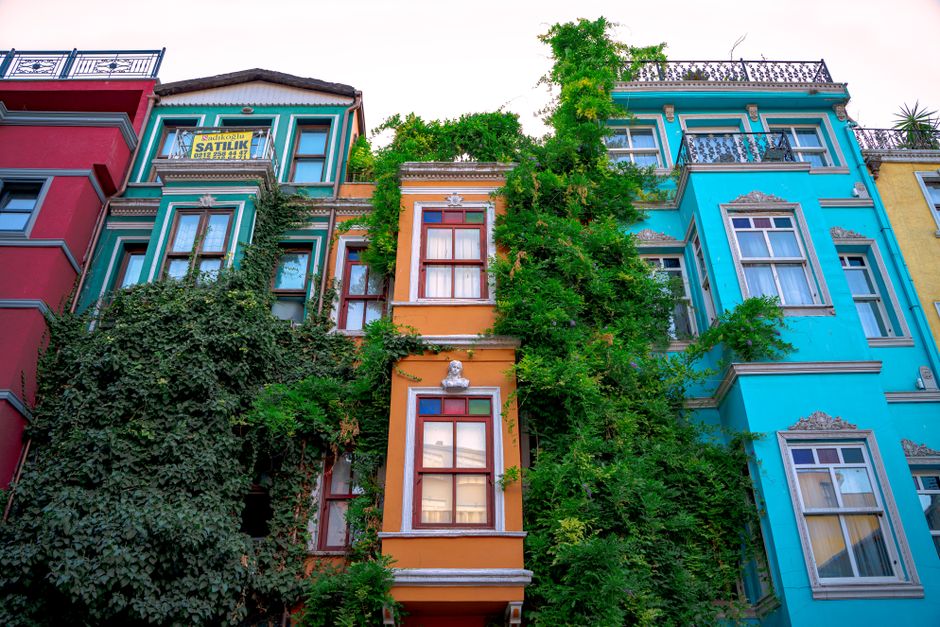
Istanbul's rental market is undergoing a fundamental shift that's reshaking the relationship between landlords and tenants across the city's most coveted neighbourhoods. After years of landlord dominance, tightening regulations and emerging vacancies are finally tilting the scales—particularly in premium zones like Besiktaş and Beyoğlu, where foreign demand once seemed infinite.
The data tells a compelling story. While Istanbul's average property price hovers around $2,500 per square metre, rental yields have compressed significantly. A two-bedroom apartment in Galata or Karaköy now commands $1,200–$1,500 monthly, yet vacancy periods are stretching to 45–60 days—a dramatic shift from the near-instantaneous lettings of 2024. Landlords are responding with modest price reductions, typically 5–8 percent, signalling a fundamental cooling in what was once an overheated market.
Sisli and Nişantaşı present a more nuanced picture. These established middle-market neighbourhoods continue attracting steady tenant demand, particularly among young professionals and expatriate families. Properties along Abide-i Hürriyet Caddesi and near Teşvikiye are performing better than premium waterfront locations, with rental periods averaging 30 days and prices holding firm at $950–$1,350 monthly for comparable units. The reason is straightforward: these areas offer value proximity to employment hubs without the speculative premiums attached to Beyoğlu's boutique hotels and galleries.
On the Asian side, Kadıköy's emergence as a genuine lifestyle destination is reshaping tenant demographics. Younger renters now comprise 60 percent of the market there, according to local estate agents, seeking authenticity over prestige. Neighbourhoods like Moda and Feneryolu are seeing increased tenant activism—rental associations and tenant-focused forums have proliferated, pushing back against arbitrary rent rises and exploitative lease conditions. This grassroots mobilisation is forcing landlords to offer longer-term stability and transparency.
The citizenship-by-investment phenomenon, which has buoyed demand since 2023, is also fragmenting. Foreign investors increasingly prefer purchasing over renting, reducing the pool of temporary high-income tenants who once sustained premium asking prices. Simultaneously, Turkey's inflation environment has shifted tenant psychology; many households now prioritise lease stability over neighbourhood prestige, fragmenting the market into distinct segments.
For tenants, this represents genuine leverage for the first time. Landlords in Besiktaş and Beyoğlu are now offering rent concessions, flexible lease terms, and maintenance commitments previously unthinkable. For landlords, adaptation is essential—those offering transparent pricing, professional management, and longer-term agreements are retaining tenants; those clinging to speculative pricing are discovering the market's new reality.
Istanbul's rental correction, unlike the property sales market, affects millions directly. As it stabilises, the neighbourhood-tenant fit matters more than ever.
This article was compiled by AI from the sources linked above and screened before publishing. See our editorial standards.
How does this story make you feel?
Spread the word
About this article
Published by The Daily Istanbul
Daily brief
Free, in your inbox before 7am. Weekdays.
More in Property