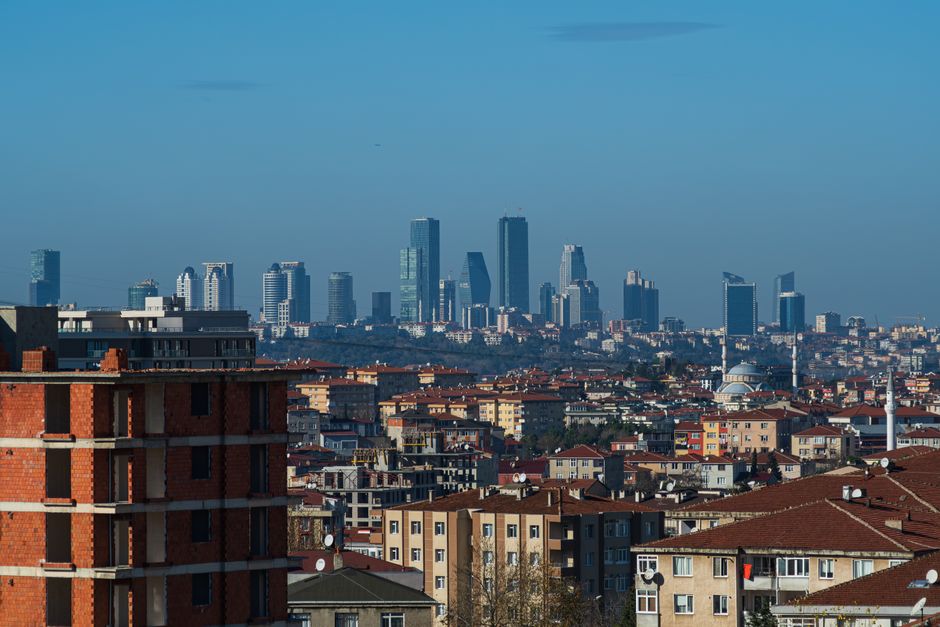
Tightening Rental Market Leaves Istanbul Landlords and Tenants at Crossroads
As vacancy rates plummet across premium neighbourhoods, rising maintenance costs and stricter regulations are reshaping the economics of Istanbul's rental sector.
As vacancy rates plummet across premium neighbourhoods, rising maintenance costs and stricter regulations are reshaping the economics of Istanbul's rental sector.

Istanbul's rental market has entered a peculiar inflection point. While landlords in Besiktaş and Beyoğlu report near-full occupancy rates, tenant retention costs and regulatory compliance expenses are eroding margins that appeared healthy on paper just eighteen months ago.
The shift is most visible in mid-market neighbourhoods where competition has intensified. In Şişli, where average rents now hover around $1,800 per month for a two-bedroom apartment—up 22 percent since early 2024—landlords are investing heavily in amenities and maintenance to justify premium positioning. Conversely, tenants report longer lease negotiations and reduced flexibility on move-in dates, a reversal of the tenant-friendly conditions that characterised 2023.
Kadıköy presents a different challenge. The Asian-side neighbourhood's emergence as a lifestyle destination has attracted young professionals and expatriates, but this demographic shift is creating friction. While landlords around Moda and Caddebostan report strong rental demand, many are upgrading properties to meet expectations for contemporary finishes—an investment that stretches smaller operators thin. A typical renovation in these areas now costs 15,000–25,000 Turkish Lira per unit, factored into higher rents that price out long-term residents.
The citizenship-by-investment programme has paradoxically complicated matters for traditional renters. Foreign investors purchasing along the Bosphorus corridor—particularly in Ortaköy and Sarıyer—are increasingly converting rental properties into holiday lets or holding them vacant for appreciation. This reduces available stock for working families and has triggered calls from tenant advocacy groups for vacancy regulations similar to models implemented in other major cities.
Regulatory pressures are mounting for both parties. The Istanbul Metropolitan Municipality's recent safety compliance directives require landlords to obtain updated electrical and structural certifications—an unfunded mandate that costs 3,000–8,000 lire per property. Small landlords managing single units face disproportionate burden, while larger operators absorb costs but pass them to tenants.
Interest rates remain the wildcard. While Turkish property yields still attract foreign capital—sustaining high purchase prices averaging $2,500 per square metre across central districts—rental yields have compressed. This mismatch is pushing more owners toward speculative holding rather than active rental management, further tightening supply.
For tenants, the calculus is uncomfortable: premium neighbourhoods now demand 3–6 months' advance rent, while mid-market options consume 35–40 percent of household income. For landlords, operational margins have narrowed despite occupancy gains. Both constituencies are watching regulatory developments and interest rate signals closely—sensing that the market's current equilibrium may not hold through 2027.
This article was compiled by AI from the sources linked above and screened before publishing. See our editorial standards.
How does this story make you feel?
Spread the word
About this article
Published by The Daily Istanbul
Daily brief
Free, in your inbox before 7am. Weekdays.
More in Property