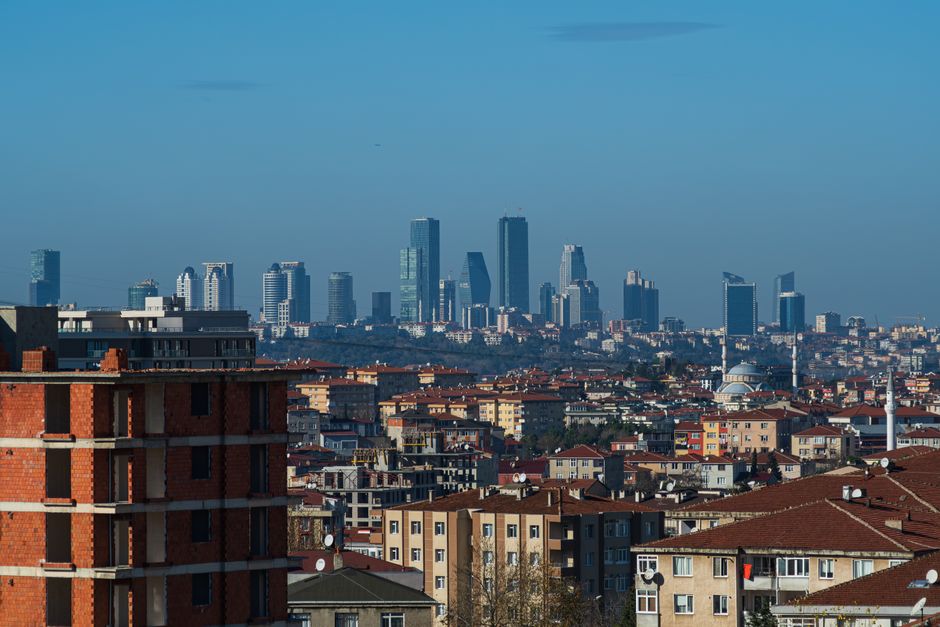
Racing Against the Clock: How First-Time Buyers Can Save a Deposit Faster in Istanbul's Heated Market
With entry-level apartments in Sisli now commanding $250,000-plus, aspiring homeowners need smarter savings strategies—not just patience.
With entry-level apartments in Sisli now commanding $250,000-plus, aspiring homeowners need smarter savings strategies—not just patience.
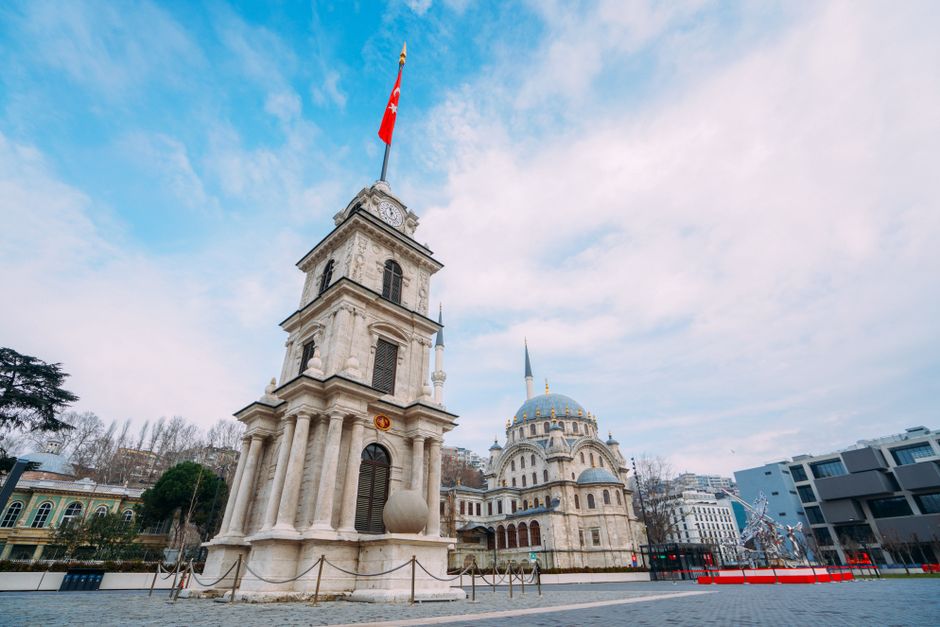
Istanbul's property market has shifted decisively in favour of sellers. A modest two-bedroom in Sisli—historically the stepping stone for first-time buyers—now averages $250,000 to $300,000, while Kadıköy's waterfront neighbourhoods command upwards of $350,000 per unit. For young professionals earning in Turkish lira, the deposit gap has never felt wider.
Yet first-home buyers aren't powerless. Recent regulatory changes and targeted government incentives have created pathways to accelerate savings that many overlook.
The Turkish Housing Development Administration (TOKI) continues to offer discounted units in developing zones—typically 15-20% below market rates. Properties in outer Başakşehir and Pendik suburbs remain accessible entry points, though they require geographic compromise. More immediately useful: the state-backed Ziraat Bank and Halkbank mortgage programmes now offer rates below 20% for first-time purchases under $400,000, significantly reducing the effective deposit requirement. A 10% deposit ($25,000 for a Sisli apartment) paired with aggressive refinancing can work for disciplined buyers.
For deposit acceleration, the maths favour unconventional strategies. Renting a room in a shared apartment in Beyoğlu or Beşiktaş—rather than a whole flat—can free up 2-3 million Turkish lira monthly. That's $65,000-$100,000 annually. Over 18 months, a 20% deposit for a mid-range Kadıköy apartment becomes tangible.
Employer-matched savings schemes remain underutilised. Many Istanbul-based tech firms, banks, and multinational offices now offer housing savings matching programs—effectively 10-25% bonuses on accumulated deposits. HR departments at major employers along the Levent financial corridor and around Maslak have quietly rolled these out; few junior staff know to ask.
The citizenship-by-investment phenomenon has inflated central Istanbul prices, but it's created arbitrage opportunity in adjacent neighbourhoods. Properties in Nişantaşı's quieter streets or along the Bosphorus ferry routes in Beşiktaş still offer value relative to Taksim's premium. Buying slightly off-trend—and slightly off-centre—can mean 15-20% savings.
Timing matters. June through August historically see fewer international investors active; local developers sometimes negotiate harder on cash purchases. Combining this seasonal softness with pre-approval from a major bank strengthens negotiating position dramatically.
First-time buyers shouldn't romanticise ownership in premium zones. The realistic path forward involves: (1) maximising monthly savings through co-housing, (2) leveraging employer schemes, (3) securing pre-approval with favourable terms, and (4) targeting emerging neighbourhoods one metro stop removed from central appeal. It's less glamorous than a Besiktaş flat—but it's achievable.
This article was compiled by AI from the sources linked above and screened before publishing. See our editorial standards.
How does this story make you feel?
Spread the word
About this article
Published by The Daily Istanbul
Daily brief
Free, in your inbox before 7am. Weekdays.
More in Property