First-time buyer's guide: navigating Istanbul's ...
With foreign investment reshaping neighbourhoods from Sisli to Kadikoy, here's how to decode Istanbul's evolving real estate landscape.
With foreign investment reshaping neighbourhoods from Sisli to Kadikoy, here's how to decode Istanbul's evolving real estate landscape.
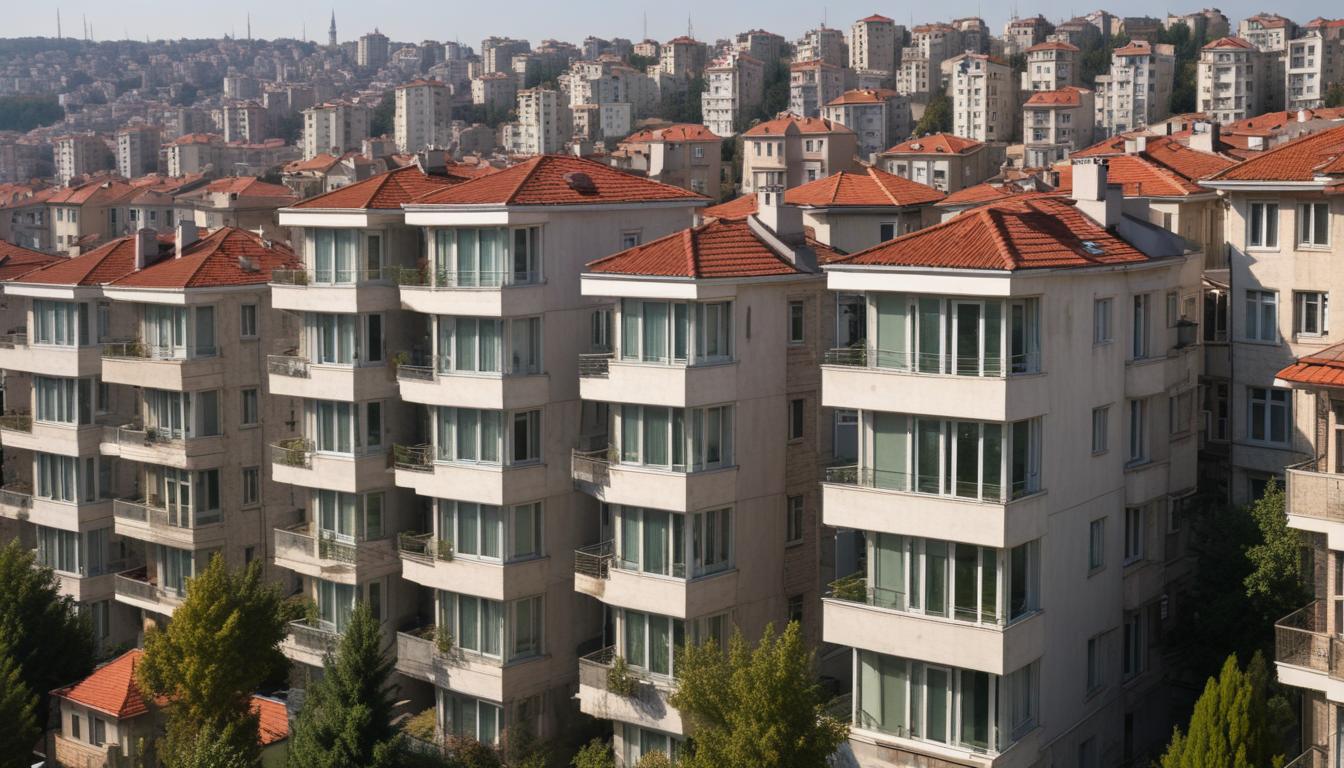
Istanbul's property market has fundamentally shifted. The average price of $2,500 per square metre masks a city fracturing into distinct buyer territories—and for first-time purchasers, understanding these micro-markets has never been more crucial.
The headline story remains the premium districts. Besiktas and Beyoglu continue commanding top-tier valuations, with waterfront properties near the Bosphorus consistently exceeding $4,000 per square metre. But savvy first-time buyers are increasingly sidestepping these established strongholds. Sisli, the European side's emerging pocket, now represents the sweet spot: established infrastructure, proximity to Taksim and business hubs, yet pricing 15-20% below the notorious Besiktas premium. Properties along Halaskargazi Caddesi or near Osmanbey metro station offer the best entry point for young professionals.
The Asian side tells a different story entirely. Kadikoy has transformed from commuter dormitory to lifestyle destination. The neighbourhood's appeal—Bagdat Caddesi's café culture, Moda's waterfront promenades, the creative scene around Vogue Park—has attracted younger demographics willing to cross the Bosphorus. First-time buyers here find more inventory, slightly lower per-square-metre costs than equivalent Sisli properties, and genuine neighbourhood character.
Citizenship-by-investment schemes have injected significant foreign capital, creating distortions worth noting. New construction near Levent and Etiler skews expensive; resale properties in older buildings offer better value. Avoid overpaying for renovation potential—Istanbul's construction regulation environment remains unpredictable.
Practically speaking: establish your non-negotiables before viewing. Schools, transport links, and Turkish residency rules matter enormously. First-time buyers should budget 3-5% above list prices for negotiation, plus transaction costs (roughly 4% combined). Currency volatility—many transactions still reference dollar prices—creates risk; lock terms quickly.
Work with established estate agents registered with GYODER (Turkish Real Estate Association). Check property deeds at the tapu office personally; title disputes remain Istanbul's perennial headache.
The market rewards patience. Properties in transitional areas like Acibadem or Cihangir often deliver better long-term appreciation than trophy purchases in saturated zones. The citizenship-driven boom may moderate; buying for genuine occupancy rather than speculation remains sensible.
Istanbul's property market isn't irrational—it's simply reflecting a city that sprawls across continents, attracting capital and residents in uneven waves. First-time buyers who map these patterns, ignore noise about waterfront showpieces, and buy where they actually want to live will navigate this market successfully.
This article was compiled by AI from the sources linked above and screened before publishing. See our editorial standards.
How does this story make you feel?
Spread the word
About this article
Published by The Daily Istanbul
Daily brief
Free, in your inbox before 7am. Weekdays.
More in Property