Istanbul's Housing Surge Decoded: What's Really Pushing ...
Foreign investment, currency shifts, and limited supply are reshaping Istanbul's property market. Here's what's changing in 2026.
Foreign investment, currency shifts, and limited supply are reshaping Istanbul's property market. Here's what's changing in 2026.
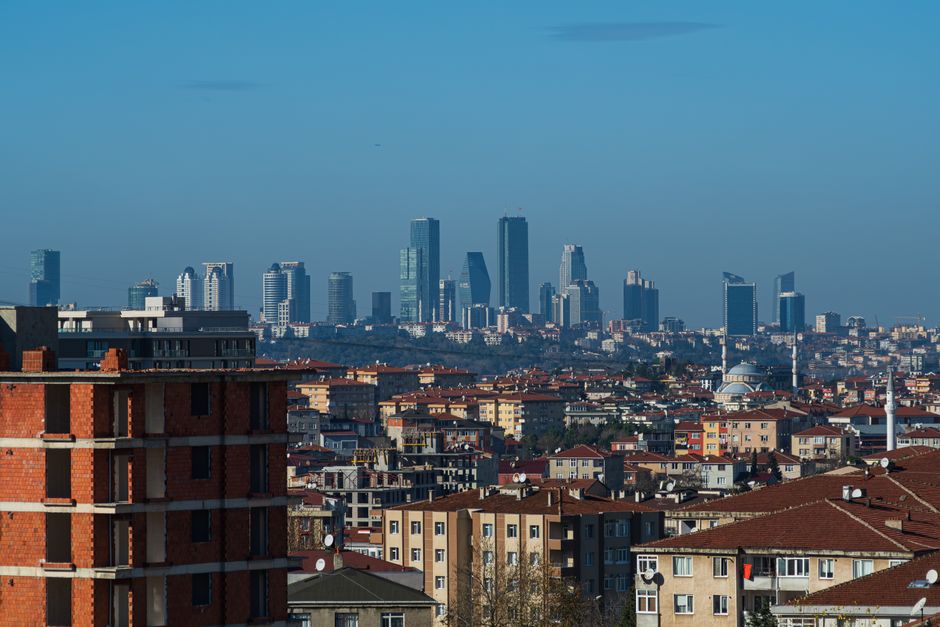
Istanbul's property market has entered a new phase. After years of steady appreciation, the city's average price of $2,500 per square metre masks a more complex story: pockets of explosive growth, foreign capital flooding in, and genuine affordability challenges for local buyers trapped between speculation and wage reality.
The citizenship-by-investment pathway remains the elephant in the room. Non-resident investors—primarily from the Gulf, Russia, and Iran—continue to acquire premium assets in Besiktas and Beyoglu, where waterfront apartments now regularly exceed $12,000 per square metre along the Bosphorus. But it's the secondary wave that's reshaping the broader market. Sisli, once a middle-class stronghold, has seen average prices climb 28 percent over eighteen months as developers pivot toward mixed-use projects near Osmanbey and Pangalti. On the Asian side, Kadikoy remains the darling of young professionals and families, with Moda neighbourhood properties commanding premium valuations despite tighter stock.
Currency volatility is the hidden driver few buyers discuss candidly. The Turkish lira's fluctuations mean foreign capital holds disproportionate purchasing power. A buyer with dollars or euros can move decisively; a Istanbul-based family saving in lira faces eroding purchasing power and mortgage rates that, while moderating, still exceed seven percent for qualified borrowers. This asymmetry is pricing out first-time buyers in neighbourhoods that were accessible five years ago.
Supply constraints are real. New-build inventory in central districts remains limited as developers chase higher-margin projects. Older stock in Fatih and Sultanahmet requires substantial renovation, adding hidden costs. Meanwhile, holiday rental platforms have quietly absorbed thousands of units that might otherwise stabilize the long-term rental market, further compressing housing availability for residents.
For buyers entering the market now, timing matters less than strategy. Property near Metro expansion zones—particularly along the extended lines toward Basaksehir—offers appreciation potential with lower entry prices. Second-tier neighbourhoods like Sisli's quieter avenues or emerging Levent pockets still offer value before institutional buyers arrive. Imported financing structures are becoming common; understanding Turkish tax treatment and residency requirements is non-negotiable.
The Istanbul market isn't collapsing or overheating uniformly. It's stratifying. Premium Bosphorus property attracts international capital. Mid-market neighbourhoods like Kadikoy and Sisli are genuinely competitive. Outer districts remain affordable but illiquid. Smart buyers recognize that location arbitrage—understanding which neighbourhoods are poised for infrastructure investment—matters more than chasing headline prices in saturated zones.
This article was compiled by AI and screened before publishing. See our editorial standards.
How does this story make you feel?
Spread the word
About this article
Published by The Daily Istanbul
Daily brief
Free, in your inbox before 7am. Weekdays.
More in Property