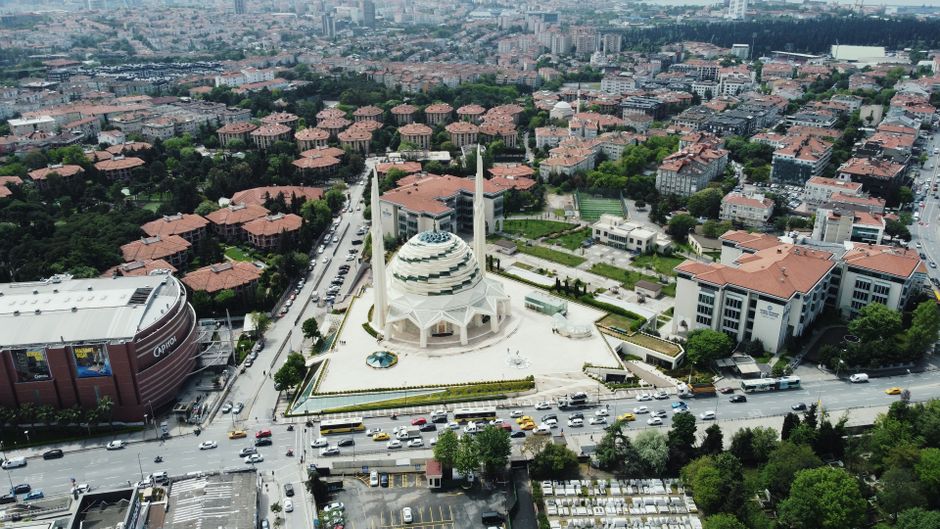
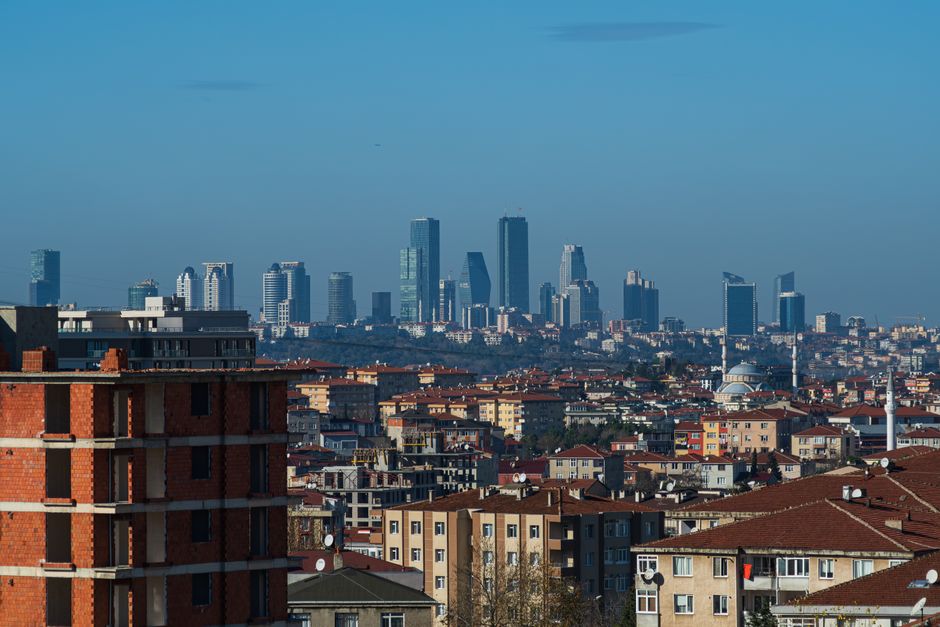
Istanbul's affordable housing crisis has reached a turning point. The city's average price of $2,500 per square metre masks a brutal reality: first-time buyers and middle-income families are being systematically priced out of established neighbourhoods, forcing a migration eastward and upward in building heights that few saw coming five years ago.
Three interconnected forces are reshaping the market right now. First, the citizenship-by-investment programme continues to flood premium zones—Besiktash, Beyoglu, and parts of Sisli—with foreign capital seeking stability over affordability. This has created a two-tier market: luxury units commanding $4,000-$5,000 per square metre in waterfront Ortakoy, while genuinely affordable stock remains scarce across the European side.
Second, Turkish housing authorities have begun mandating social housing quotas in new major developments, a policy that sounds progressive but often backfires. Developers absorb these costs by raising prices on market-rate units, meaning the family earning 150,000 Turkish lira monthly effectively subsidises the family earning 80,000—a regressive tax that inflates overall supply costs.
Third, and most significant for buyers right now: the shift toward Anatolian-side neighbourhoods like Kadikoy and Uskudar is no longer a fringe trend. These areas, traditionally working and middle-class, now see $2,000-$3,000 per square metre pricing as standard. The convenience of Metro expansion and ferry infrastructure has made the commute acceptable—but younger buyers must choose between a smaller, older unit in Sisli or a modern apartment with amenities thirty minutes away.
What buyers need to understand now: the 'affordable' label is becoming meaningless. Social housing developments in outer Bahcelievler or Kucukcekmece remain state-subsidised but operate long waiting lists and require Turkish citizenship. Private developers marketing 'middle-income' units typically still price at $2,200+ per square metre, pushing genuine affordability beyond the reach of single-income earners.
The timing matters. Interest rate policy from Turkey's central bank will influence whether monthly payments remain manageable through 2027. Simultaneously, the government's commitment to green building standards is adding 5-10% to construction costs—a burden ultimately passed to buyers.
Smart buyers are now looking at the Karakol-Topkapi corridor or emerging nodes along the E-5 highway, where supply is rising faster than in established zones. But they should act with clarity: prices in these areas will likely converge with city averages within three years, meaning early entry is an investment bet as much as a housing decision.
This article was compiled by AI from the sources linked above and screened before publishing. See our editorial standards.