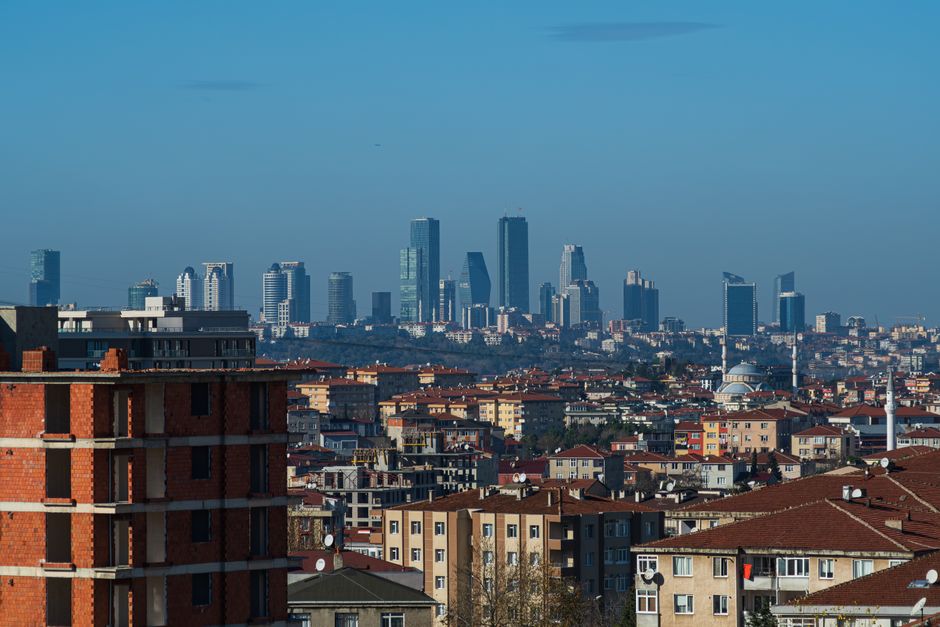
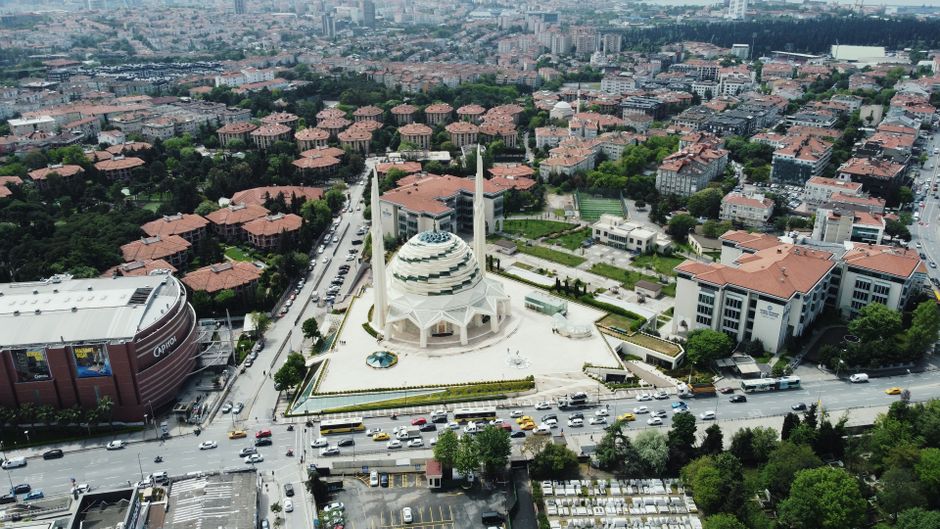
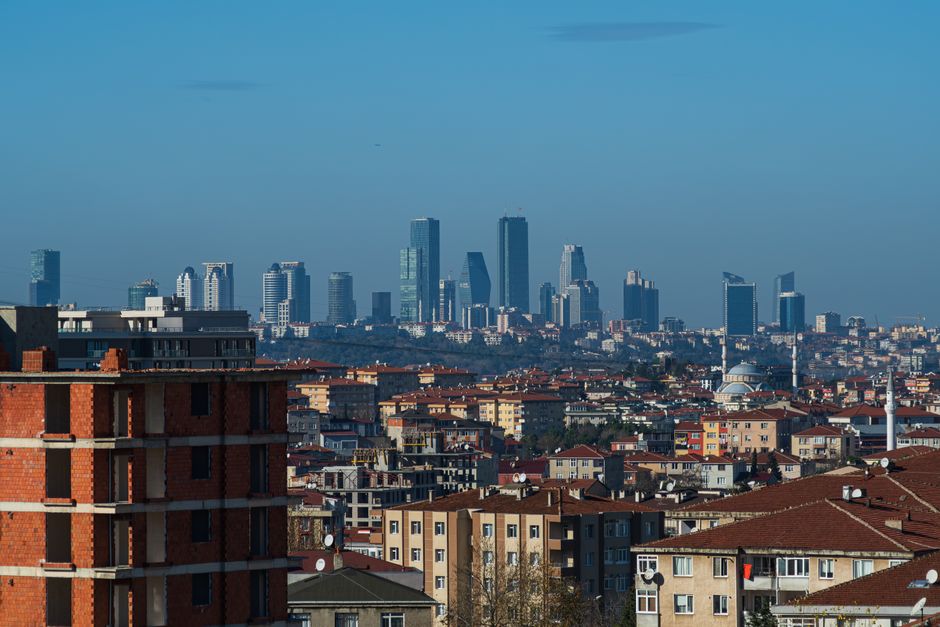
While investors continue to chase premium postcodes in Besiktas and Beyoglu, a quieter reshaping is underway in Esenyurt, the sprawling district stretching across Istanbul's western flank. What was once dismissed as suburban periphery is quietly emerging as the city's most compelling value play, with property values climbing 18% year-on-year as major transport and commercial infrastructure accelerates development.
The catalyst is straightforward: scarcity and connectivity. As central districts plateau around the USD 2,500 per square metre city average—with Besiktas commanding triple that—Esenyurt still trades between USD 1,200–1,600 per sqm for new residential developments. Yet the infrastructure story is transforming the calculus. The Esenyurt Metro extension, expanding the M7 line deeper into the district, promises to shrink commute times to Taksim from 50 minutes to just 18. Completion is targeted for 2027.
"We're seeing genuine end-user demand converging with investor appetite," says the local property development sector, which has greenlit over 15 major mixed-use projects along the Metrokent and Esenyurt town centre corridors in the past 18 months. The Istanbul Metropolitan Municipality's Esenyurt Urban Transformation Initiative has already cleared and rezoned 340 hectares, unlocking residential, commercial and logistics-focused development.
Specific microclimates are outperforming. Metrokent—the established business district anchored by the eponymous shopping mall and corporate offices—is commanding 12% premiums over outer Esenyurt for comparable stock. The emerging Esenyurt Mahallesi precinct, anchored by new municipal facilities and the planned Esenyurt Cultural Centre, is attracting first-time buyers priced out of Sisli and Kadikoy.
Foreign investment, particularly from Gulf and Central Asian citizenship-by-investment programmes, is accelerating. Turkish residency permits tied to property purchases over USD 250,000 have drawn flows into Esenyurt's mid-range apartment towers, where developers are offering completed units at prices that would secure only pre-construction reservations in Beyoglu.
The risk calculus remains: Esenyurt's character is still overwhelmingly residential and suburban, lacking the cultural and hospitality ecosystems that anchor premium districts. Infrastructure delivery timelines in Turkey are notoriously elastic. Yet for investors with a three-to-five-year horizon and appetite for emerging-market volatility, the fundamentals—population inflow, transport connectivity, regulatory tailwinds, and valuation headroom—suggest Esenyurt has genuinely turned a corner from speculative fringe to credible core holding.
This article was compiled by AI from the sources linked above and screened before publishing. See our editorial standards.