Istanbul's Green Future by the Numbers: What Data Reveals About Our Sustainability Push
As the city races to meet 2030 environmental targets, fresh statistics show how far Istanbul has come—and how much work remains.
As the city races to meet 2030 environmental targets, fresh statistics show how far Istanbul has come—and how much work remains.
Istanbul's latest sustainability report, released this quarter by the Metropolitan Municipality, paints a picture of a city at an inflection point. The numbers tell a story that goes far beyond headlines: 47% of the city's waste is now being diverted from landfills, up from just 23% in 2019. Yet the same data reveals that per capita water consumption remains at 195 litres daily—well above the 150-litre target for 2030.
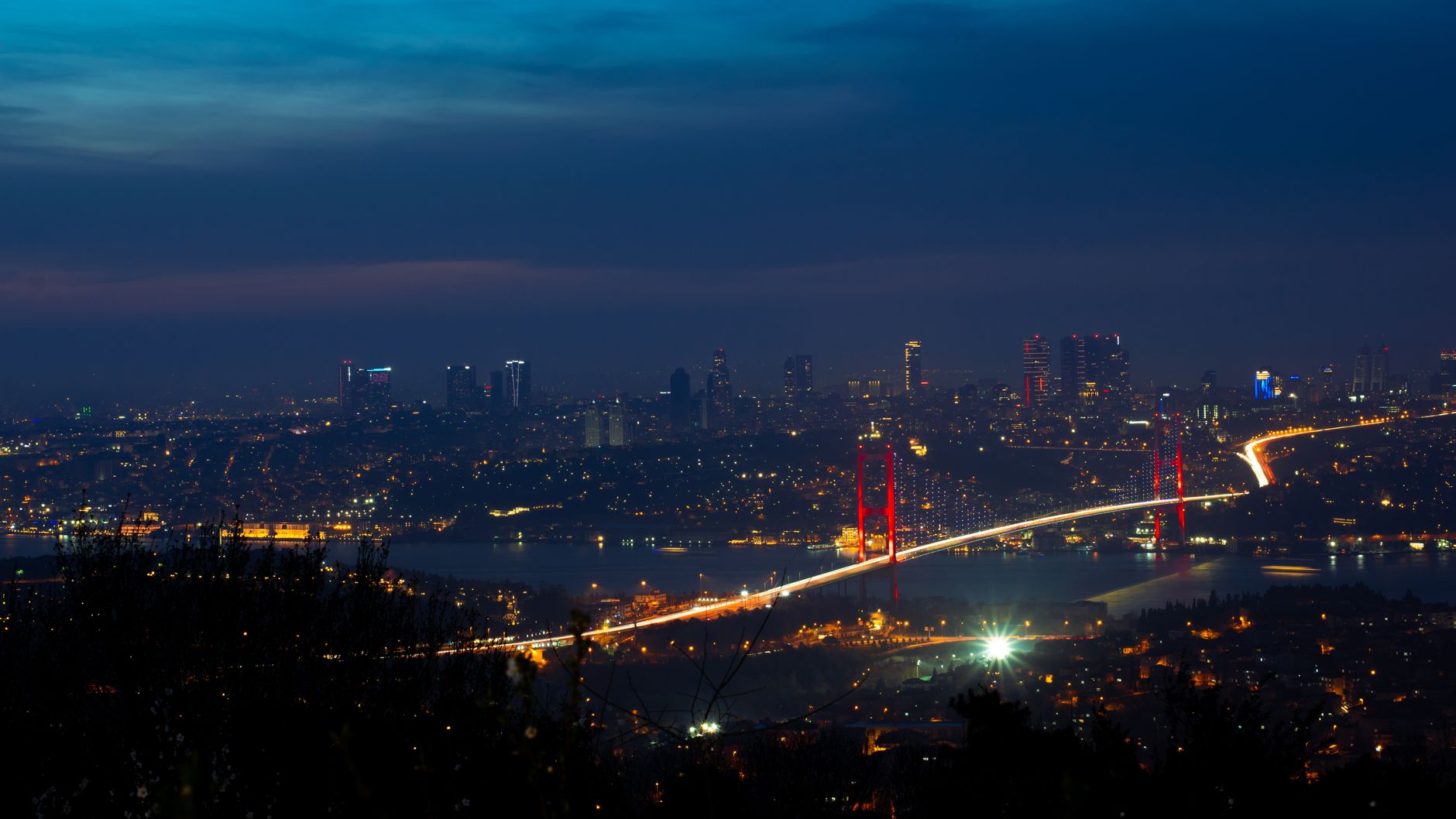
The Marmara Sea, which frames the city's identity, has become the focus of renewed attention following a comprehensive 2025 survey. Plastic microfibre content in the strait has declined by 34% since the 2023 baseline, thanks partly to stricter industrial discharge regulations along the Golden Horn. However, nitrogen and phosphorus levels remain elevated, requiring continued investment in wastewater treatment facilities.
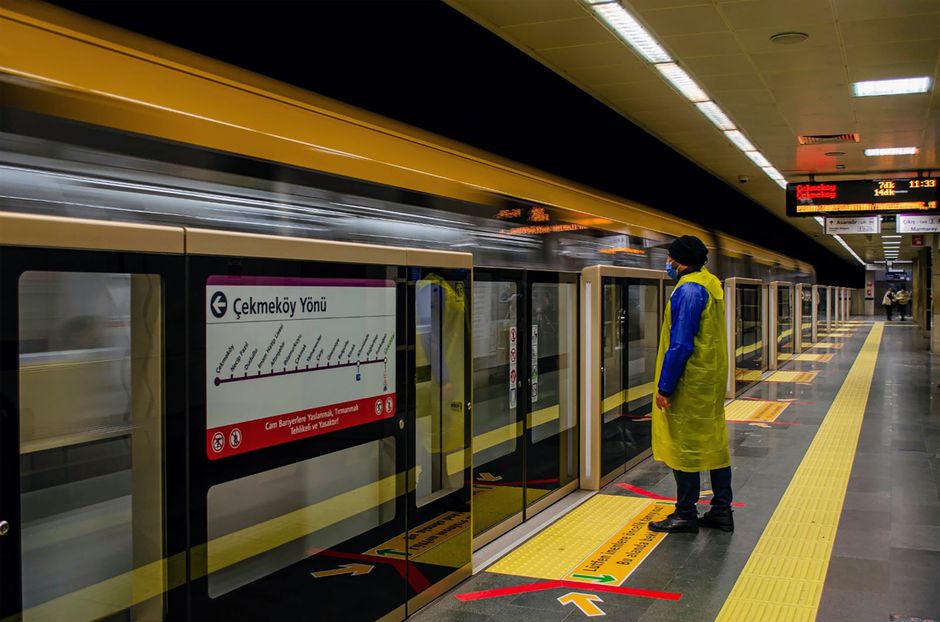
Public transport electrification is advancing. The Istanbul Metro system now runs 68 kilometres of line with fully electric trains, representing 41% of total operational length. Bus rapid transit corridors in Fatih and Beyoğlu have reduced average commute times by 18 minutes, and ridership on these routes has increased 29% year-on-year. Yet private vehicle ownership has grown to 312 cars per 1,000 residents—a figure that complicates the city's air quality goals.
Air pollution data provides mixed signals. Particulate matter (PM2.5) concentrations have fallen 22% since 2021, with European-standard air quality now recorded on 203 days annually, compared to 156 days in 2019. Winter months remain problematic, particularly in outer districts like Başakşehir and Pendik, where heating systems still rely heavily on natural gas and coal.
Green space expansion continues at modest pace. The city has added 340 hectares of parkland since 2022, with major projects including the completion of the Sariyer Coastal Park redevelopment and continued work on the Halıç Koruma Derneği's restoration initiatives along the Golden Horn. Yet green coverage remains at 18% of total urban area—below the 25% benchmark for comparable global cities.
Energy consumption in municipal buildings has dropped 31% through efficiency upgrades, though city-wide renewable energy generation stands at only 12% of total demand. Solar panel installations on public buildings have reached 8,500 units, a significant leap from 1,200 units in 2022.
As Istanbul approaches critical environmental targets, these metrics reveal a city making real progress—but one where ambition and reality still have considerable distance to cover.
This article was compiled by AI and screened before publishing. See our editorial standards.
How does this story make you feel?
Spread the word
About this article
Published by The Daily Istanbul
Daily brief
Free, in your inbox before 7am. Weekdays.
More in News