Istanbul Metro M7 Ümraniye: New Line, Rising Rents
The M7 metro extension reaches Ümraniye in June. Will it improve commutes for working families or accelerate gentrification in Istanbul's outer districts?
The M7 metro extension reaches Ümraniye in June. Will it improve commutes for working families or accelerate gentrification in Istanbul's outer districts?
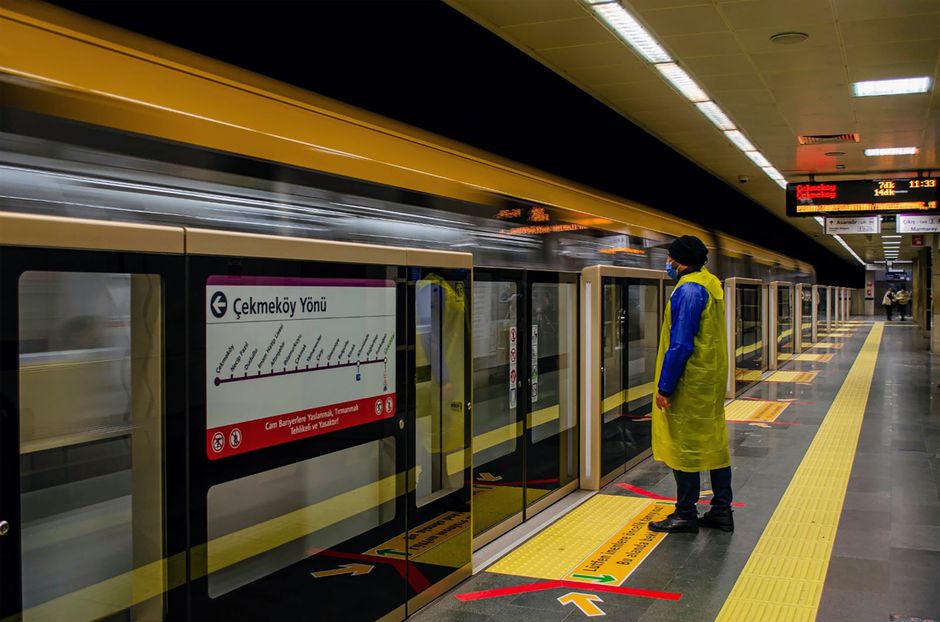
The Metro Line M7 extension to Ümraniye represents a rare infrastructure victory for Istanbul—a 16.5-kilometre addition that promises to shave 40 minutes off commutes for residents in one of the city's fastest-growing outer districts. But as the June completion deadline approaches, locals in neighbourhoods like Çekmeköy and Sancaktepe are wrestling with a harder question: will this project actually improve life for ordinary Istanbullus, or simply accelerate property speculation in areas still affordable to working families?
The numbers tell a complicated story. A studio apartment in central Beyoğlu now averages 850,000 Turkish lira—roughly three times the median monthly salary. Meanwhile, Ümraniye property prices have already jumped 28 per cent in anticipation of the metro connection. For construction workers, teachers, and service sector employees who form the backbone of Istanbul's workforce, the irony is bitter: improved infrastructure often precedes displacement.
The project does offer genuine relief. Currently, minibus commutes from Çekmeköy to employment hubs near Taksim or the Golden Horn can stretch two hours during morning rush. The new line cuts that to 35 minutes. That matters—it means more time with family, less spent in traffic, reduced transportation costs eating into already-tight budgets.
Yet transport experts point to a troubling pattern. The earlier Marmaray rail expansion along the Bosphorus, completed in 2019, did improve connectivity across the city's European and Asian sides. But property prices in newly connected neighbourhoods like Bakırköy and Halkalı rose so sharply that many existing residents sold their homes to developers, moving further out to places like Silivri. The metro follows them, the pattern repeats.
The city's planning authority has pledged affordable housing requirements for developers in newly connected areas, though enforcement remains inconsistent. A municipal spokesperson noted that transit-oriented development should support existing communities, not replace them—but the track record gives little cause for optimism.
For Fatma Kara, who runs a small grocery in Ümraniye and has lived there for 22 years, the metro means she can hire staff from further away, expanding her small business. But she worries her rent will double within two years, pricing her out entirely.
Infrastructure matters. The M7 extension will reduce congestion, lower air pollution, and create genuine time savings for hundreds of thousands. But Istanbul's real challenge isn't building the metro—it's ensuring the city that metro serves remains accessible to the people who need it most.
This article was compiled by AI and screened before publishing. See our editorial standards.
How does this story make you feel?
Spread the word
About this article
Published by The Daily Istanbul
Daily brief
Free, in your inbox before 7am. Weekdays.
More in News