Istanbul Youth Centres Closing: Balat, Fener Impact
Three Istanbul youth centres in Balat, Fener, and Tarlabaşı face September shutdown. Local teens warn of lost community spaces and summer support during critical period.
Three Istanbul youth centres in Balat, Fener, and Tarlabaşı face September shutdown. Local teens warn of lost community spaces and summer support during critical period.
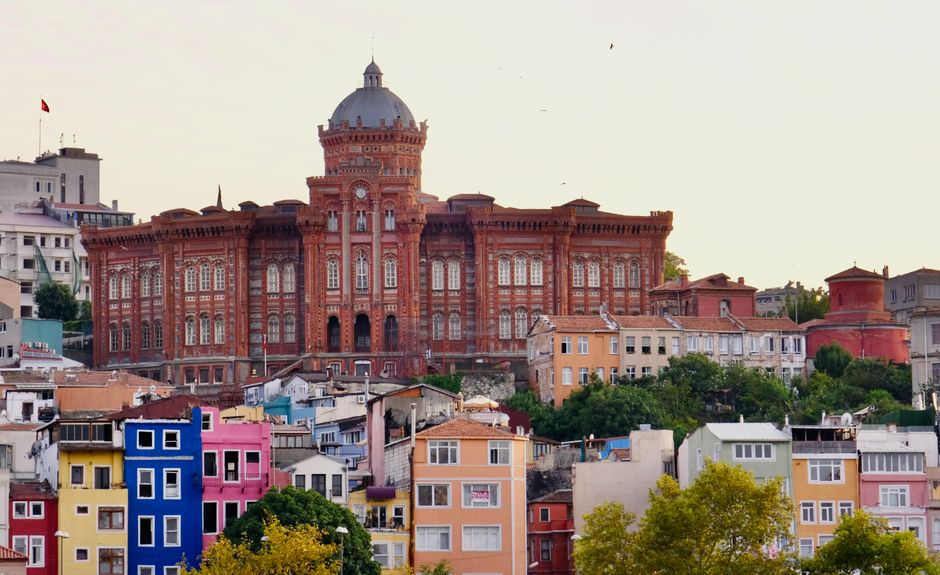
The closure notices arrived quietly in May, posted on the doors of youth centres in Balat, Fener, and Tarlabaşı. By September, the spaces that have served as anchors for thousands of young people will be shuttered, their staff reassigned, their programmes halted. For residents of these densely populated neighbourhoods on Istanbul's European side, the decision represents far more than administrative reorganisation—it signals an abandonment of the city's most vulnerable youth during a critical period.
Balat's centre, located near the Ayvansaray intersection, has operated continuously for sixteen years, offering after-school tutoring, sports facilities, and counselling services to approximately 450 teenagers weekly. The facility costs 2.8 million lira annually to maintain. Across town, Tarlabaşı's equivalent serves 380 young people in one of the city's most economically challenged districts, where household incomes average 18,000 lira monthly.
"These aren't luxury services," explains Mehmet Kaya, a teacher at a local secondary school near Fener. "We're talking about kids whose parents work long hours in construction or domestic work. Without these centres, they're on the streets or trapped at home." Police data from 2024 documented a 23 percent increase in youth-related street incidents in neighbourhoods lacking structured community programming.
The impact extends beyond recreation. The centres provided free Turkish language support for refugee children—a population that has swelled to over 8,000 residents in these neighbourhoods alone. Mental health counselling, especially critical following Istanbul's seismic activity concerns earlier this year, will simply vanish.
Local merchants worry about visible consequences. Balat has experienced a tourism renaissance over the past decade, with its restored Ottoman architecture and cafés drawing visitors worldwide. Unchecked youth disengagement, community advocates suggest, could reverse this revitalisation and damage the neighbourhood's hard-won reputation as a cultural destination.
The municipality's budget statement, released in April, cited "fiscal restructuring" without detailing where resources were redirected. Neighbourhood associations have launched a petition now signed by over 3,400 residents, scheduled for presentation to the city council in July.
Interim solutions appear unlikely. The Istanbul Youth Foundation, the primary alternative provider, operates only two centres across the entire city and maintains a waiting list of 600 applicants. Summer holidays begin in just days, leaving families scrambling for alternatives in a city where supervised activity programmes typically cost between 5,000 and 12,000 lira monthly—unaffordable for most Balat and Tarlabaşı residents.
The question now is whether policymakers will recognise that community investment isn't expendable when the social costs of withdrawal are so clearly documented.
This article was compiled by AI and screened before publishing. See our editorial standards.
How does this story make you feel?
Spread the word
About this article
Published by The Daily Istanbul
Daily brief
Free, in your inbox before 7am. Weekdays.
More in News