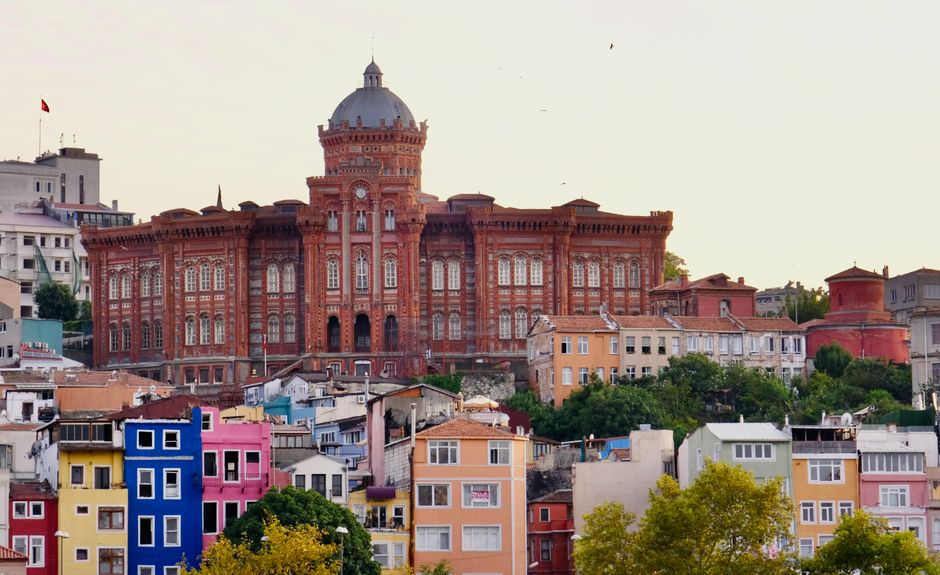
Istanbul's higher education sector stands at a pivotal juncture as the 2026-27 academic year approaches. University administrators across the city—from Boğaziçi's Bebek campus to Istanbul University's historic Beyazıt location—are grappling with interconnected challenges that will reshape how hundreds of thousands of students learn over the next decade.
The most pressing decision involves the government's proposed university funding model, due for parliamentary review in September. Under current structures, per-student allocations have stagnated while tuition fees have climbed 15-20% annually. Istanbul's public universities now educate roughly 580,000 students—nearly 40% of Turkey's total university population—yet compete for a diminishing share of central budgets. Decision-makers must determine whether to increase state investment, expand private-sector partnerships, or shift further to student-financed models.
Infrastructure capacity remains equally critical. Yıldız Technical University's Beşiktaş campus and Marmara University's Avcılar facilities are operating at 110-120% capacity during peak hours. A major expansion project along the E-5 highway corridor near Bahçeşehir is slated for approval this autumn, potentially relieving pressure on central Istanbul institutions while raising questions about equitable access for lower-income students in peripheral neighborhoods.
Curriculum modernization represents the third major pivot point. The Higher Education Council (YÖK) is expected to announce revised accreditation standards by August, emphasizing digital competency, sustainability studies, and entrepreneurship. Universities must decide which existing programs to restructure—a sensitive matter given tenured faculty implications and departmental politics.
Istanbul's private universities—including Koç, Sabancı, and Bilgi—face distinct pressures. International student recruitment has grown 8% annually, driving campus expansions in Şişli and Sarıyer. Yet visa restrictions and currency fluctuations threaten revenue projections. These institutions must decide whether to increase scholarships for Turkish students or maintain premium positioning.
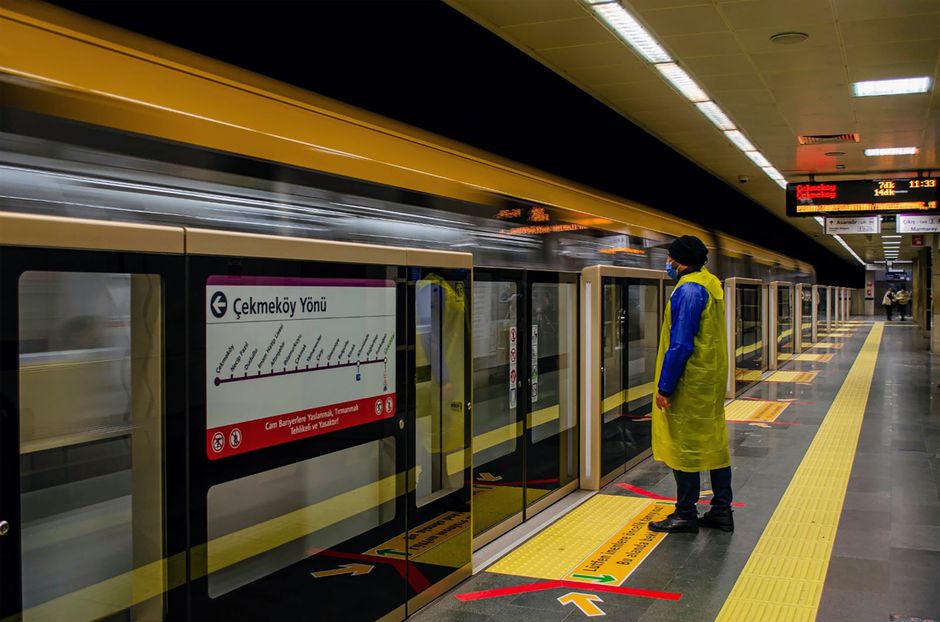
The vocational education debate also demands urgent attention. Community colleges in outer districts like Çekmeköy and Pendik have seen enrollment decline as four-year degree programs expand. Policymakers must determine funding priorities and whether to strengthen two-year technical credentials or push all students toward bachelor's degrees.
What happens next will be decided through August meetings at YÖK headquarters in Ankara, budget sessions in Parliament, and individual university board decisions scattered across Istanbul's many campuses. The outcomes will affect not just academic structures, but the trajectories of half a million students navigating an increasingly uncertain educational landscape.
This article was compiled by AI from the sources linked above and screened before publishing. See our editorial standards.