The Istanbul Metropolitan Municipality's latest housing policy revisions, announced this month, have ignited fierce debate among residents, urban planners, and heritage advocates. The new zoning amendments allow developers to increase building heights by up to 25 per cent in residential neighbourhoods—a move city officials argue will ease Turkey's acute housing shortage. But for the thousands of families living in historic districts and rapidly gentrifying areas, the policy feels like a countdown clock on their Istanbul.
"We're not against development," says the Beyoğlu Residents Association, which has submitted formal objections. "But this pace, without proper safeguards, transforms neighbourhoods overnight." Average rental prices in Beyoğlu have already climbed 40 per cent since 2022, pricing out teachers, artists, and service workers who have defined the district's character for decades. The new zoning rules threaten to accelerate that exodus.
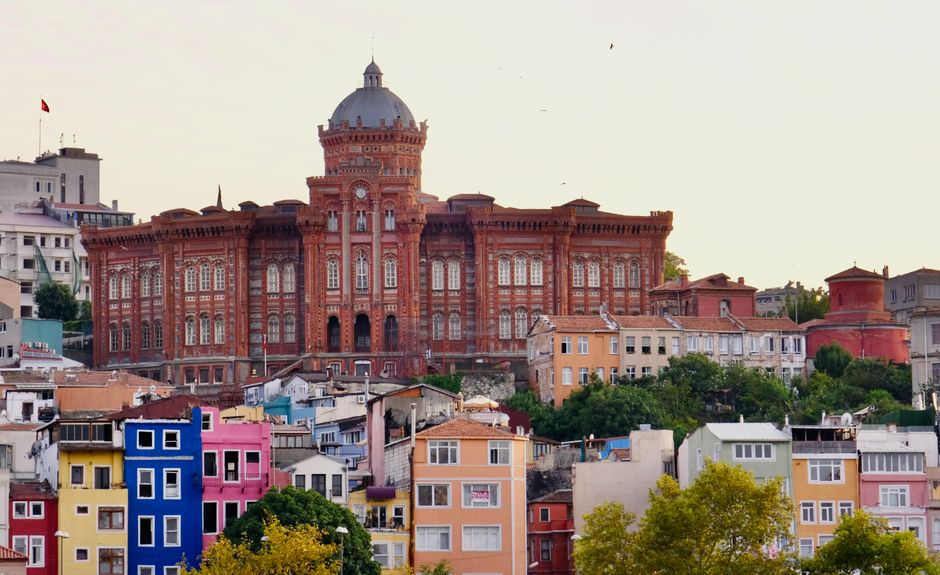
The concern cuts across multiple communities. In Fatih's narrow lanes near the Süleymaniye Mosque, Ottoman-era houses face demolition to make way for modern apartment blocks. The municipality has allocated only 15 million Turkish lira for heritage conservation citywide—a fraction of what urban planning experts say is necessary. Meanwhile, developers have fast-tracked permits for 47 new projects in the historic peninsula alone.
Balat residents report displacement pressure as landlords refuse lease renewals, anticipating higher rents once new construction rises nearby. The Balat-Fener Neighbourhood Association notes that young families, retirees on fixed incomes, and small business owners are being quietly pushed out, replaced by transient residents and investment portfolios.
Istanbul's population has surged to 16 million—straining infrastructure from water systems to public transport. Housing demand is undeniably urgent. But critics argue the municipality is choosing the fastest, most developer-friendly path rather than a balanced approach. Master plans for mixed-income housing, rent-control provisions, and mandatory affordable units have been conspicuously absent from recent proposals.
City planners point to housing shortages and argue new supply will eventually moderate prices. Yet international evidence suggests unregulated development rarely benefits existing residents. Cities from Barcelona to Vancouver have discovered that rapid zoning liberalisation without tenant protections accelerates gentrification rather than solving affordability.
As the municipality prepares final votes on these amendments next month, the stakes for Istanbul's identity are undeniable. This isn't merely a technical urban planning matter—it's a question of who gets to live in this city, and what kind of city Istanbul will become. For the neighbourhoods in the line of fire, the answer feels increasingly out of their hands.
This article was compiled by AI from the sources linked above and screened before publishing. See our editorial standards.