Istanbul's transformation into a global relocation hub didn't happen overnight. Over the past five years, the city has experienced a remarkable demographic shift, driven by a confluence of geopolitical, economic, and lifestyle factors that have reshaped its appeal to international newcomers.
The foundation of this shift lies partly in global uncertainty. As political tensions have escalated across Europe and the Middle East—from instability in neighbouring regions to economic pressures across the EU—Istanbul's position as a bridge between continents has become increasingly attractive. The city offers what many relocating professionals and families seek: geographic stability combined with genuine cosmopolitan infrastructure. Unlike many emerging cities, Istanbul already possesses world-class hospitals, international schools, and business districts that rival major European capitals.
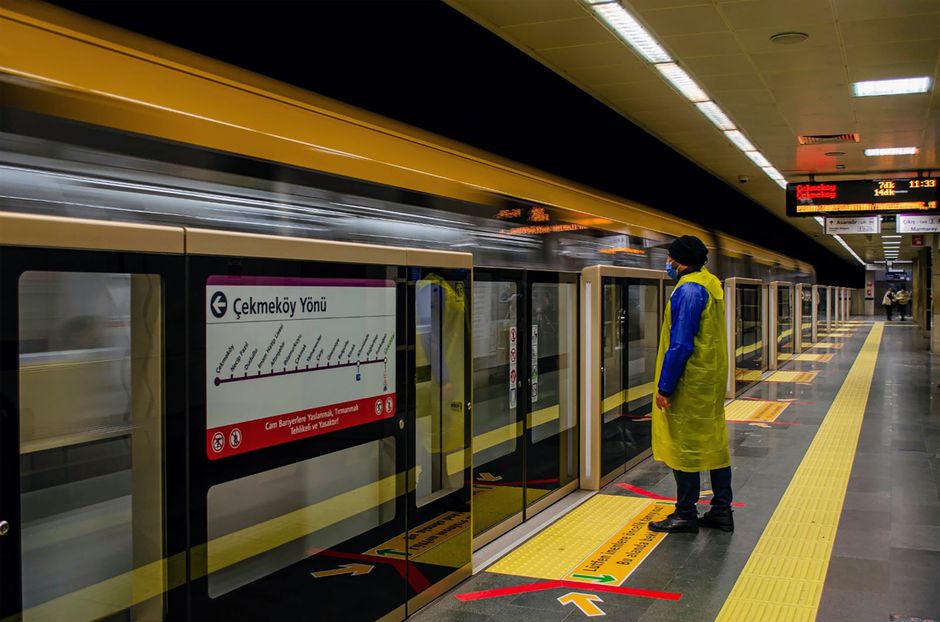
Economically, the calculus has shifted decisively. A one-bedroom apartment in central Beyoğlu now averages around 35,000–45,000 Turkish lira monthly (roughly €1,100–1,400), compared to €1,800–2,500 in comparable European neighbourhoods. This cost advantage extends across dining, transportation, and leisure—a meal at a quality restaurant runs 200–300 lira, while a monthly metro pass costs just 540 lira. For remote workers earning Western salaries, the mathematics are compelling.
The infrastructure supporting relocation has matured substantially. Neighbourhood communities in Kadıköy, Beşiktaş, and the quieter Arnavutköy district now host established expatriate networks with co-working spaces, English-language services, and integration programs. The Istanbul Metropolitan Municipality's foreign resident registration process, while bureaucratic, has become more transparent. International real estate firms now operate across the city, targeting newcomers specifically.
Cultural magnetism matters too. Istanbul's creative scene—from independent galleries along Istiklal Avenue to the music venues in Galata—attracts artists and entrepreneurs. The city's food culture, blending Mediterranean and Central Asian traditions across neighbourhoods from Ortaköy to Cihangir, offers a quality of life that resonates with globally mobile professionals.
Yet this boom brings challenges. Housing demand has driven prices up 40 percent in desirable neighbourhoods over three years. Traffic congestion remains severe. Language barriers persist beyond expat-friendly zones. Infrastructure, while improving, sometimes strains under rapid population growth.
Understanding Istanbul's arrival as a relocation destination requires recognising these converging forces: global instability creating demand for stability, economic differentials favouring newcomers, and the city's own maturation into a genuinely international metropolis. For those considering the move, the window remains open—but the landscape is shifting rapidly.
This article was compiled by AI from the sources linked above and screened before publishing. See our editorial standards.