Istanbul Metro Expansion: New Lines Outpace London, Paris
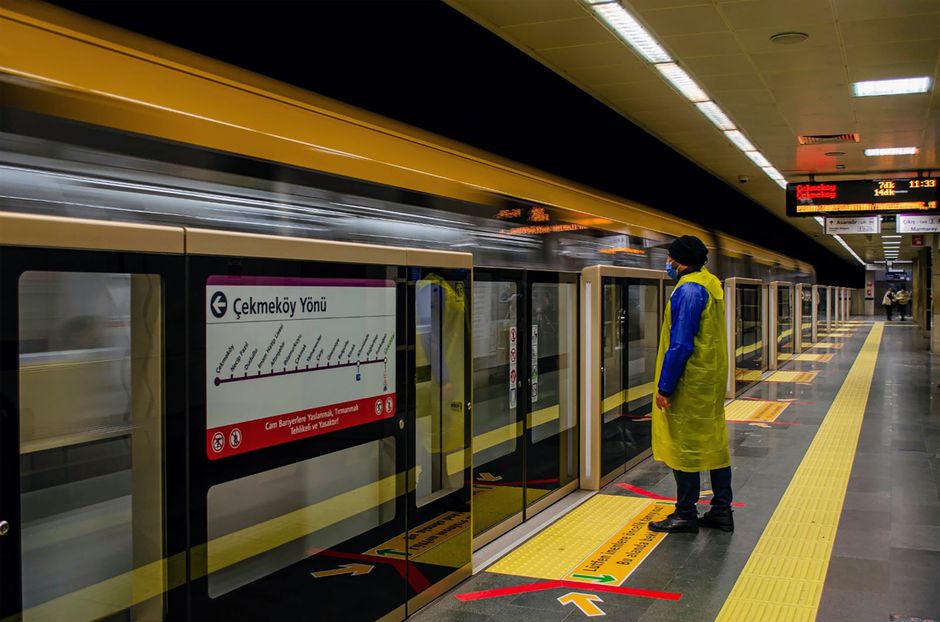
Istanbul's M7 and M11 metro expansion reaches Başakşehir and Pendik. Compare this transport megaproject to London and Paris infrastructure plans.
Istanbul's M7 and M11 metro expansion reaches Başakşehir and Pendik. Compare this transport megaproject to London and Paris infrastructure plans.
Istanbul's infrastructure transformation has entered a critical phase. The city is simultaneously expanding its metro network across the Asian side, upgrading the Marmaray commuter rail system, and preparing the Kanal Istanbul project for its next phase—a scale of concurrent development that rivals anything underway in comparable global cities.
The statistics tell a story of aggressive modernisation. The metro system, which carried 600 million passengers last year according to Istanbul Metropolitan Municipality data, is expanding the M7 and M11 lines to reach previously underserved neighbourhoods like Başakşehir and Pendik. By contrast, London's transport authority has scaled back several expansion plans, while Paris focuses primarily on the Grand Paris Express, a slower-moving project spread across a decade.
"What Istanbul is attempting would take most European cities fifteen to twenty years," says the infrastructure planning community here, reflecting on how quickly work progressed on the Halkalı-Gebze Marmaray extension completed in 2024. The system now moves commuters from the European to the Asian side in under thirteen minutes, fundamentally reshaping how the city functions.
Yet speed brings complications. Construction along busy arteries like Bağdat Caddesi and near Taksim Square has created chronic congestion. Ferry services—historically Istanbul's circulatory system—now face competition from improved road infrastructure, leaving the iconic Eminönü terminal quieter than it was five years ago. Some transport experts question whether the city is over-investing in roads and rail while undervaluing its waterways.
Costs have also spiralled. The Kanal Istanbul project alone carries an estimated budget exceeding $50 billion, making it significantly more expensive per kilometre than comparable infrastructure in Berlin or Barcelona. Turkish construction firms remain competitive, but material costs have risen sharply since 2022.
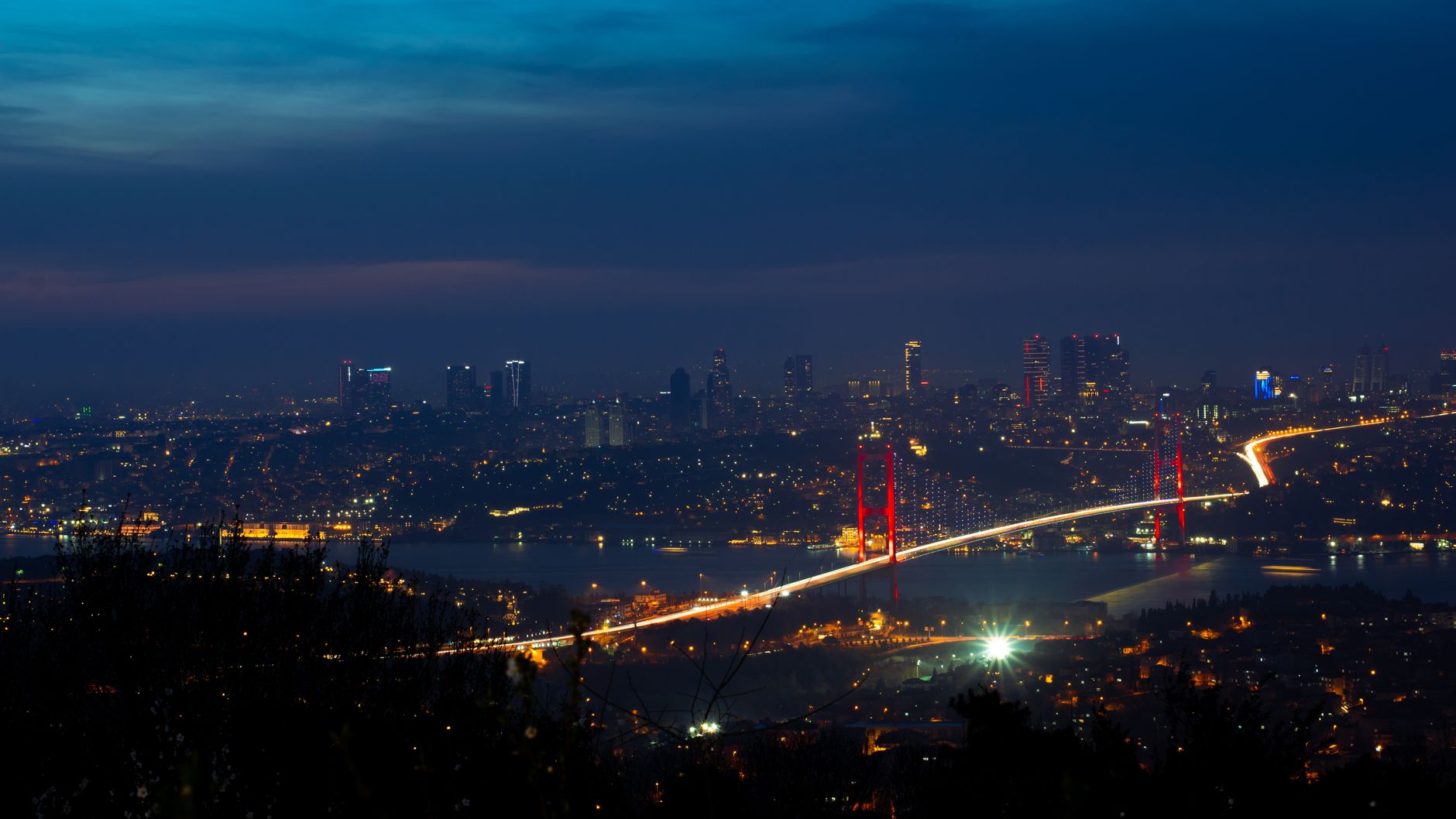
The comparison with other megacities reveals Istanbul's unique position: it has the urgency and capital of a boom city, the complexity of a transcontinental metropolis, and the regulatory challenges of a rapidly evolving democratic system. When the M11 line opens fully next year, connecting Maltepe to Söğütlüçeşme, it will ease pressure on the Bosphorus crossings in ways that Madrid's recent metro expansions simply cannot replicate.
What remains unclear is whether Istanbul's investment pace is sustainable. Operating costs for expanded systems are rising faster than ridership projections suggest, and maintenance backlogs on older infrastructure persist. For a city of 16 million people straddling two continents, the stakes of getting infrastructure right—or wrong—could barely be higher.
This article was compiled by AI from the sources linked above and screened before publishing. See our editorial standards.
How does this story make you feel?
Spread the word
About this article
Published by The Daily Istanbul
Daily brief
Free, in your inbox before 7am. Weekdays.
More in News