Istanbul's Green Retrofit Push: Why Residents Are Seeing Real Benefits in Their Neighborhoods
From Beşiktaş to Fatih, new sustainability programs are cutting household costs and improving daily life for thousands of families across the city.
From Beşiktaş to Fatih, new sustainability programs are cutting household costs and improving daily life for thousands of families across the city.
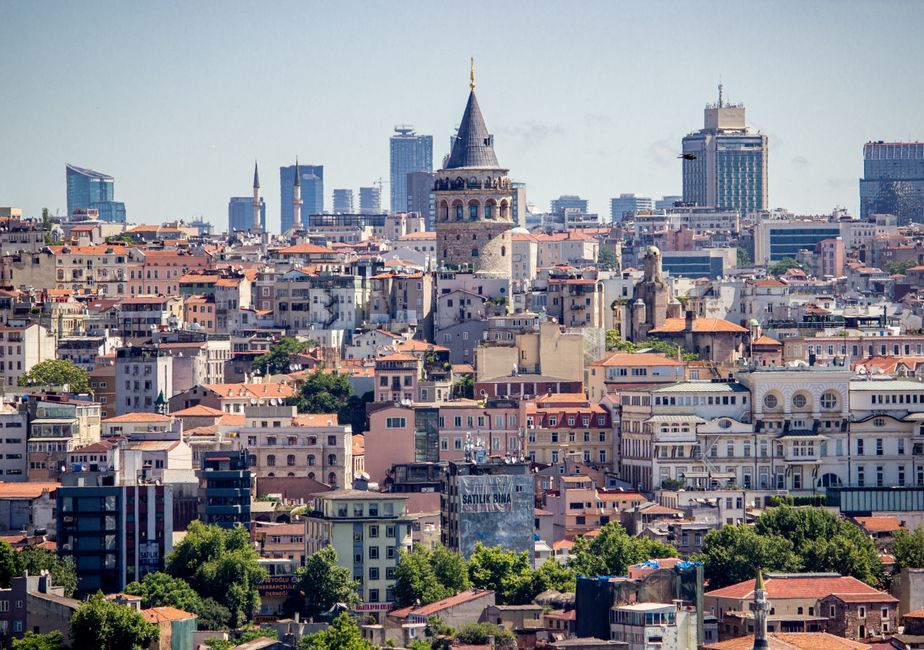
Walking through the narrow streets of Balat these days, residents notice something different: solar panels glinting from rooftops, freshly planted street gardens, and community centers hosting free energy-efficiency workshops. This isn't coincidence. Istanbul's municipal sustainability initiative, launched in early 2026, is delivering tangible improvements that are reshaping how millions of Istanbulites live their daily lives.
For families struggling with rising utility costs, the impact is immediate and measurable. The city's residential energy audit program, which began operations in Beşiktaş and Fatih, has identified that older apartment blocks—common throughout Istanbul's residential districts—lose an average of 35% of heating energy during winter months. Retrofitting these buildings with insulation improvements costs between 8,000 and 15,000 lira per unit, but residents report monthly heating bills dropping by 40% or more. For a family in a three-room apartment in Şişli paying roughly 2,500 lira monthly during winter, that's savings of 1,000 lira.
The broader environmental gains matter too. Istanbul's air quality has been a persistent public health concern, with pollution spikes during winter months affecting vulnerable populations including children and elderly residents. The city's new green transport corridor, expanding bus rapid transit lanes and bike infrastructure along the E-5 highway corridor, is already reducing commute times for 200,000 daily passengers. Fewer private vehicles mean measurably cleaner air, particularly noticeable in neighborhoods like Gaziosmanpaşa where traffic congestion previously trapped exhaust fumes.
Water conservation efforts are proving equally important in a city that depends on reservoirs increasingly stressed by climate variability. Community gardens in Küçükçekmece and Eyüpsultan—launched under the program—use 60% less water than conventional landscaping while creating neighborhood gathering spaces. Local residents appreciate both the environmental benefit and the social cohesion these projects generate.
Perhaps most significantly, these initiatives are creating job opportunities. The retrofit program alone has employed over 1,200 workers in skilled trades, offering training certifications in green building practices. For young people in outer districts, this represents genuine economic mobility.
Istanbul's sustainability push isn't abstract environmental activism. It's reducing household expenses, improving air quality that affects respiratory health, conserving water resources, and creating employment. As the program expands to Bakırköy and Pendik this autumn, residents across the metropolitan area are discovering that environmental responsibility and personal benefit aren't mutually exclusive—they're increasingly one and the same.
This article was compiled by AI from the sources linked above and screened before publishing. See our editorial standards.
How does this story make you feel?
Spread the word
About this article
Published by The Daily Istanbul
Daily brief
Free, in your inbox before 7am. Weekdays.
More in News