Istanbul's metropolitan government moved forward on one of its most ambitious transportation proposals in years during Thursday's city council session, approving a €180 million initiative to expand metro connectivity across the Golden Horn and into the high-density Fatih and Beyoğlu districts. The vote, which passed with backing from both the governing coalition and opposition benches, signals rare consensus on a crisis that has paralysed commuters for months.
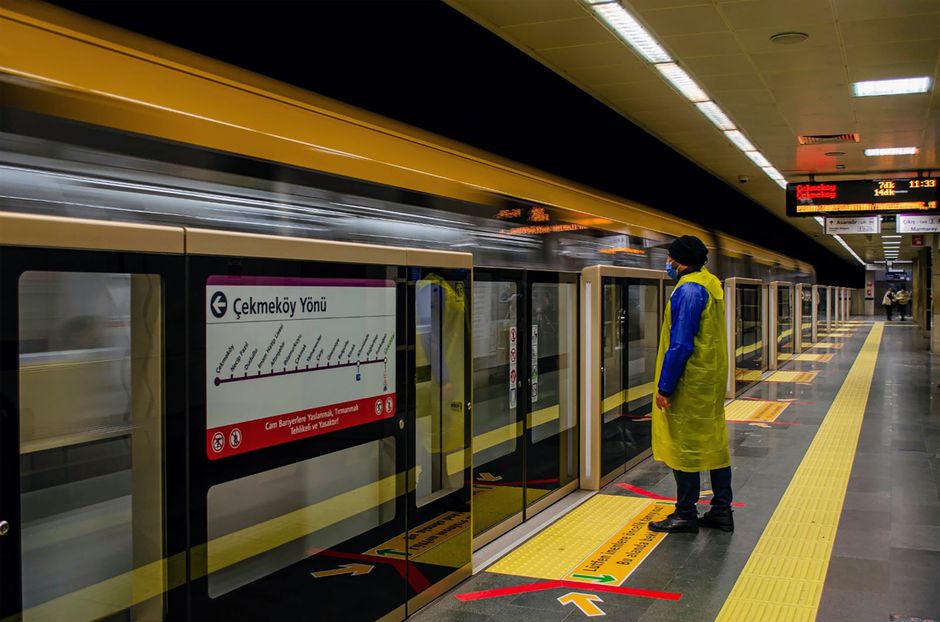
Congestion on the Galata Bridge crossing has worsened dramatically since early June, with average crossing times now exceeding 45 minutes during peak hours—up from 28 minutes a year ago. The approved plan includes three new feeder lines extending from Taksim Metro Station southward toward Eminönü, designed to relieve surface-level traffic while integrating with existing Marmaray rail services.
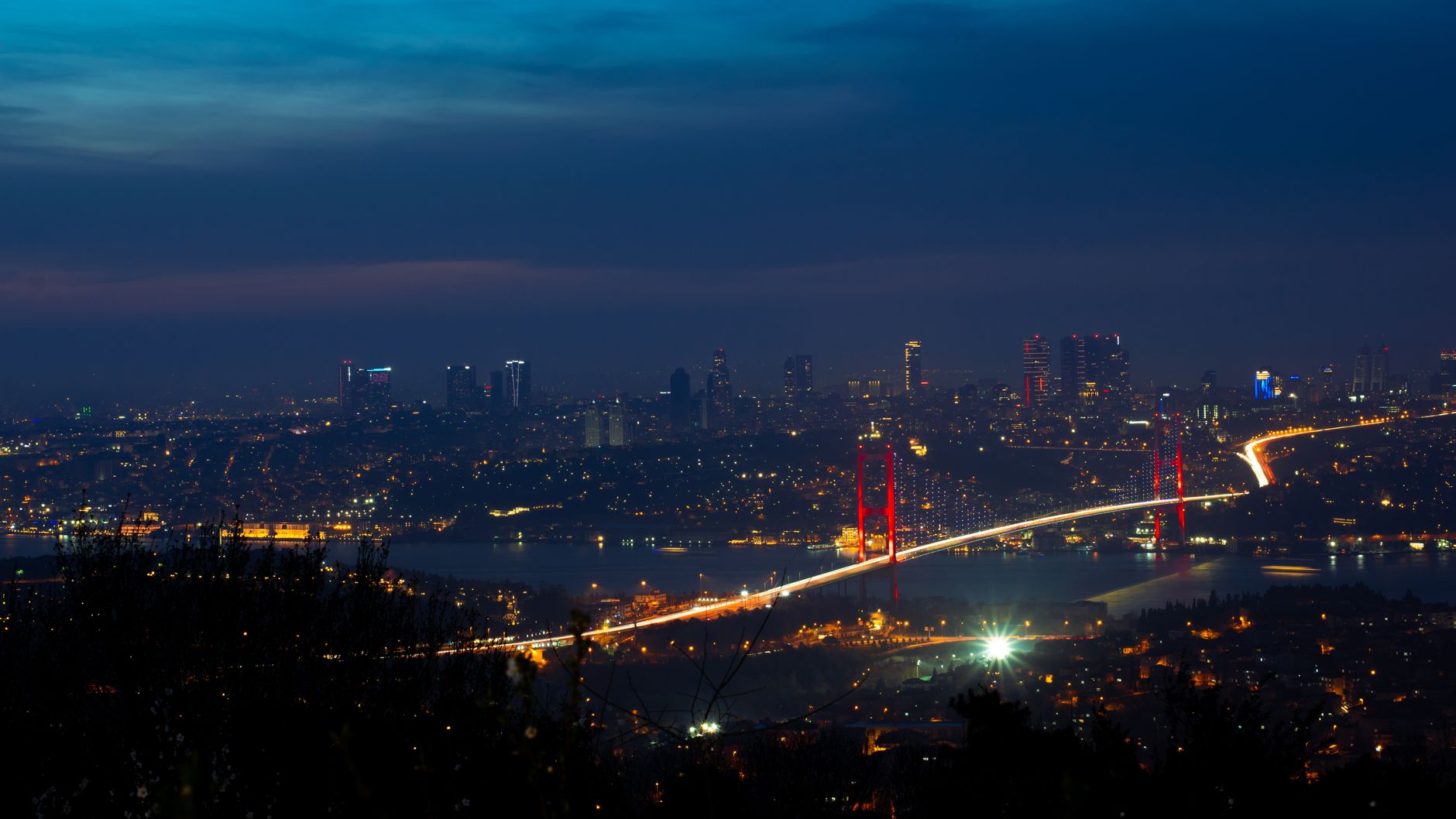
Construction is expected to begin in Q4 2026, with an anticipated completion window of 36 months. City officials project the expansion will absorb roughly 340,000 daily passenger trips by 2029, reducing vehicular traffic by an estimated 22 percent on major arteries including Istiklal Caddesi and the approaches to the Bosphorus bridges.
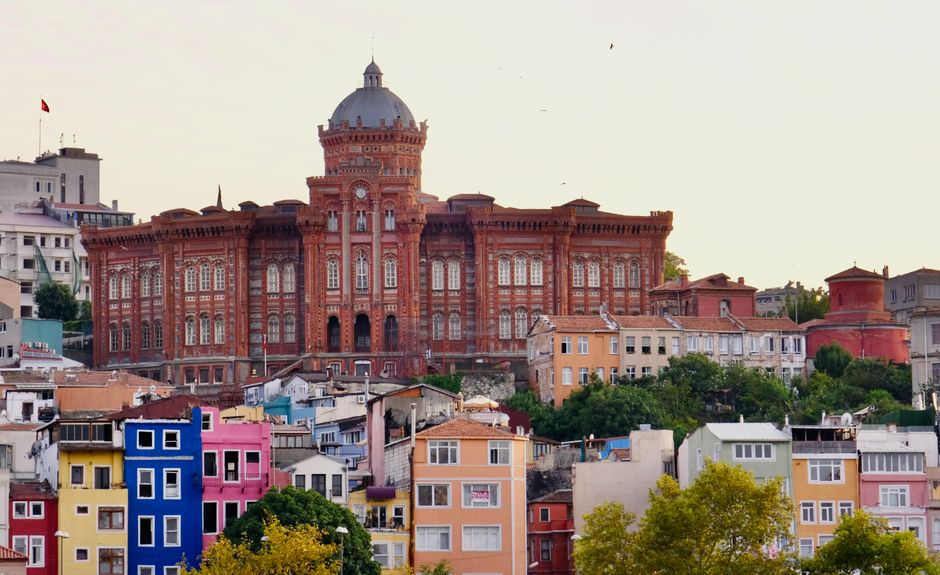
The approval, however, comes amid escalating tensions over affordable housing in central neighbourhoods. A separate council debate this week revealed that average rents in Beyoğlu have climbed 34 percent year-on-year, pricing out young professionals and creative workers who have historically anchored the district's character. Municipal data presented to councillors showed median monthly rents now reaching 28,000 Turkish lira for a one-bedroom apartment—roughly equivalent to €900—in areas like Cihangir and Asmalımescit.
The housing crisis prompted calls for a municipal rent-control ordinance, though implementation faces legal complications tied to property rights frameworks. A working group was established Friday to explore regulatory options, with recommendations expected by September.
Separately, the Beşiktaş district municipality announced completion of a €4.2 million waterfront revitalisation project along the Bosphorus in Ortaköy, adding 8,500 square metres of pedestrian space and native plantings. The initiative, which broke ground last August, addresses long-standing complaints about overcrowding and environmental degradation in one of the city's most visited neighbourhoods.
Officials attributed the transit vote's bipartisan support to mounting public pressure, with a recent survey indicating 76 percent of Istanbul residents now identify transportation as their top municipal concern—surpassing security and waste management for the first time since 2019.
This article was compiled by AI from the sources linked above and screened before publishing. See our editorial standards.