Istanbul stands at a decisive moment in its infrastructure evolution. As the city continues its relentless expansion eastward across Anatolia and consolidates its role as a global financial hub, three major transport questions demand urgent resolution in the coming months—decisions that will shape commuter patterns, business investment, and urban geography for decades.
The most immediate question concerns the expansion of the Marmaray commuter rail system, which has transformed mobility since 2013 by linking Europe and Asia beneath the Bosphorus. Metropolitan authorities are weighing extensions into the outer reaches of Pendik and Halkalı, potentially adding 45 kilometres of track by 2030. The cost, estimated at 2.8 billion euros, hinges on whether fare revenue alone can justify investment, or whether the municipal budget can absorb higher debt ratios. Officials must decide within months whether to proceed with environmental impact assessments for the Halkalı extension, a decision that affects land acquisition timelines along the Bakırköy-Silivri corridor.
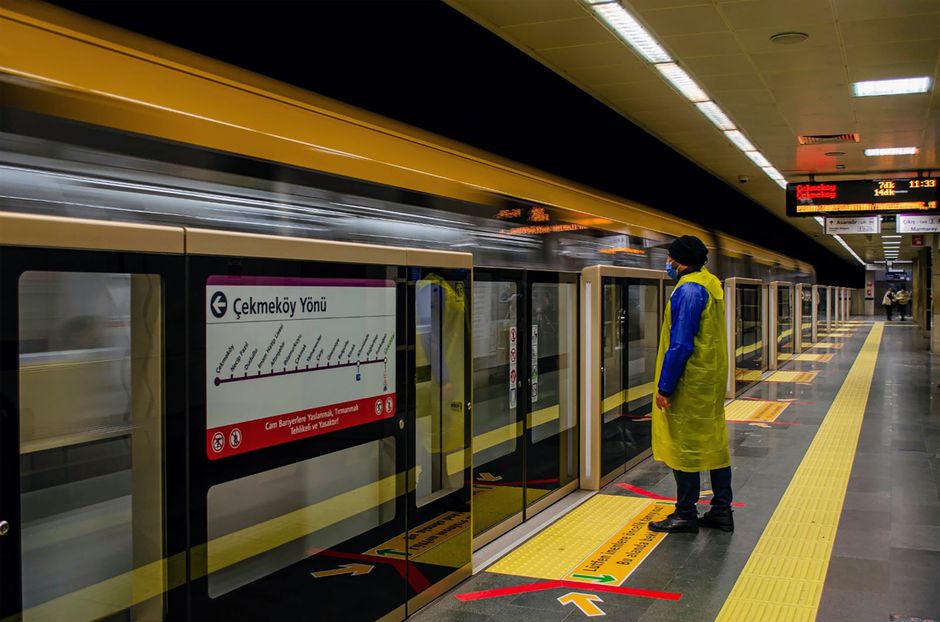
Equally pressing is the fate of the Istanbul Metro's 5th and 6th line expansions. Currently, the metro system carries 3.2 million passengers daily across five operating lines. Traffic congestion from Levent to Maslak during peak hours regularly exceeds 45 minutes. The municipality has proposed a northern route that would connect Sariyer to the central business district via Beşiktaş, but financing negotiations with international development banks remain incomplete. A decision is expected by autumn 2026 on whether this project proceeds as a public-private partnership or through municipal bonds.
Perhaps most symbolically, planners must finally resolve the vacuum left by the Kanal Istanbul proposal's abandonment. The stillborn megaproject consumed political oxygen for years while stalling decisions on legitimate transport infrastructure. City administrators are now accelerating focus toward road network optimization in outlying districts like Sultanbeyli and Çekmeköy, where informal settlements house over 800,000 people with minimal public transit. Investment here carries both humanitarian and economic logic—these areas generate congestion that ripples across the entire metropolitan system.
The stakes extend beyond convenience. Each decision carries implications for Istanbul's carbon footprint as a signatory to urban climate commitments. Public transport investment directly competes with road expansion for limited funds. If metro and rail projects stall, the trajectory defaults toward automobile-dependent sprawl and widening inequality between central and peripheral neighbourhoods.
City officials suggest a preliminary prioritization framework will emerge by October, with final decisions on financing mechanisms expected by early 2027. Success requires transparent public consultation—something Istanbul's infrastructure planning historically lacked. The decisions ahead will reveal whether the city can move beyond spectacular megaproject rhetoric toward sustained, evidence-based investment in the unglamorous but essential business of moving millions daily.
This article was compiled by AI and screened before publishing. See our editorial standards.