Behind Beyoğlu's Renaissance: The Numbers Reshaping Istanbul's Oldest Neighbourhood
New data reveals how community initiatives across historic Beyoğlu are transforming what was once dismissed as a declining district.
New data reveals how community initiatives across historic Beyoğlu are transforming what was once dismissed as a declining district.
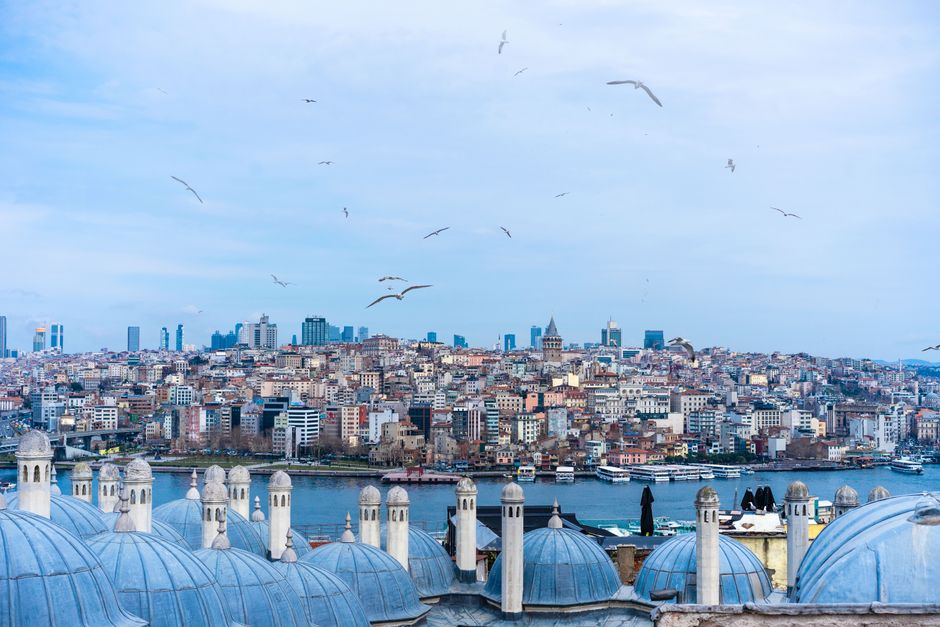
Beyoğlu has long carried the weight of contradictions. Walk down İstiklal Caddesi on any evening and you'll encounter throngs of tourists, yet venture into side streets like Asmalımescit or Kuloğlu and you'll find a neighbourhood in flux. Today, for the first time, comprehensive neighbourhood data paints a clearer picture of transformation underway.
A joint study by the Beyoğlu Municipality and the Istanbul Urban Research Institute, released this month, tracked 47 community-led initiatives across the district between 2023 and 2026. The findings are striking: 23 neighbourhood associations reported a combined 340% increase in active membership. Most dramatically, youth participation in local programmes jumped from 12% to 34% of total engagement—a shift that speaks to renewed confidence among younger residents who had largely migrated to outer districts like Pendik and Maltepe in previous years.
The economics tell a complementary story. The Cihangir and Galata waterfront areas, which saw average rent increases of 18% annually between 2020 and 2023, have stabilised at a 4% yearly increase since community housing advocacy groups became formally registered in 2024. Meanwhile, small independent businesses along Turnacıbaşı and Yüksek Kaldırım—traditional artisanal quarters—numbered just 67 in 2022. That figure now stands at 156, with 73% reporting profitability within their first operational year.
Perhaps most telling is foot traffic data. Beyoğlu experienced a 22% decline in non-tourist foot traffic between 2019 and 2023 as residents shifted leisure activities to newer shopping districts. That trend reversed last year: neighbourhood-level footfall increased 19% from June 2024 to June 2025, driven largely by weekend community markets, open-air cinema events, and the newly renovated Tünel neighbourhood cultural hub.
The Beyoğlu Cultural Alliance, which coordinates 34 museums, galleries, and heritage sites, documented 287,000 local visits in 2025—up from 91,000 in 2023. More significantly, 64% of these visitors were Istanbul residents rather than international tourists, suggesting the neighbourhood is reclaiming its identity as a place for locals, not merely a postcard backdrop.
Challenges remain. Housing affordability affects 41% of long-term residents, and the district still ranks third-lowest for green space per capita among central Istanbul neighbourhoods. Yet the data suggests something tangible is shifting in Beyoğlu's favour—not through top-down urban renewal, but through the accumulated weight of small, measurable community decisions.
This article was compiled by AI from the sources linked above and screened before publishing. See our editorial standards.
How does this story make you feel?
Spread the word
About this article
Published by The Daily Istanbul
Daily brief
Free, in your inbox before 7am. Weekdays.
More in News