Istanbul stands at a pivotal moment in its infrastructure planning. With a metropolitan population exceeding 16 million and daily commuter volumes pushing existing transport networks to breaking point, city planners face three interconnected decisions that will define mobility across the metropolis for years to come.
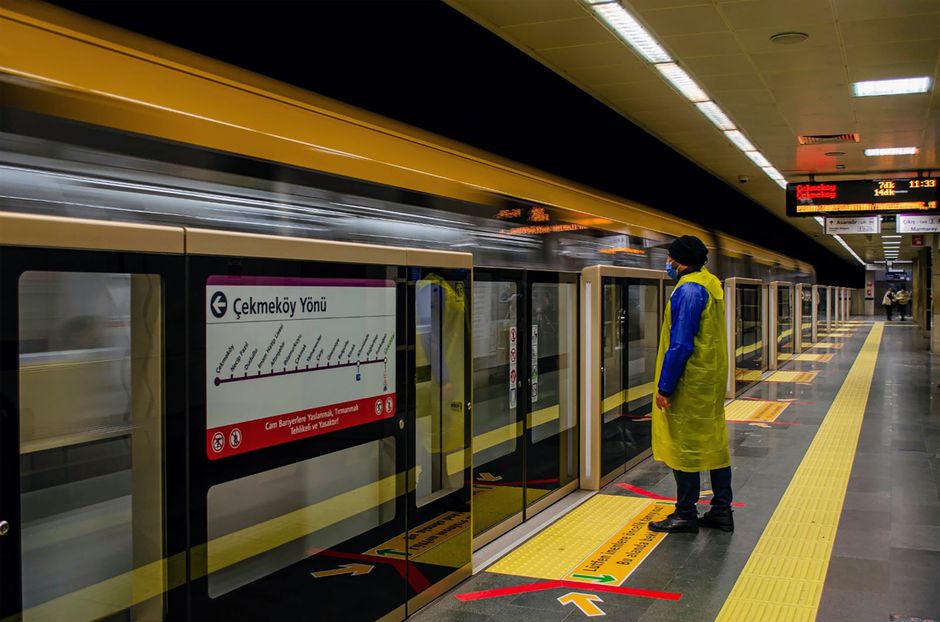
The most immediate challenge involves the Metropolitan Municipality's allocation of its transport budget for the 2026-2027 fiscal year. The proposed Kaynarca-Pendik metro extension—a 24-kilometre line aimed at connecting the Asian side's industrial zones directly to the central business district—carries an estimated cost of 18 billion Turkish lira. Municipal officials must decide whether to pursue the project in full, scale it back to a shorter pilot phase, or defer it entirely in favour of completing the ongoing Gebze-Halkalı commuter rail corridor, which is already consuming significant resources.
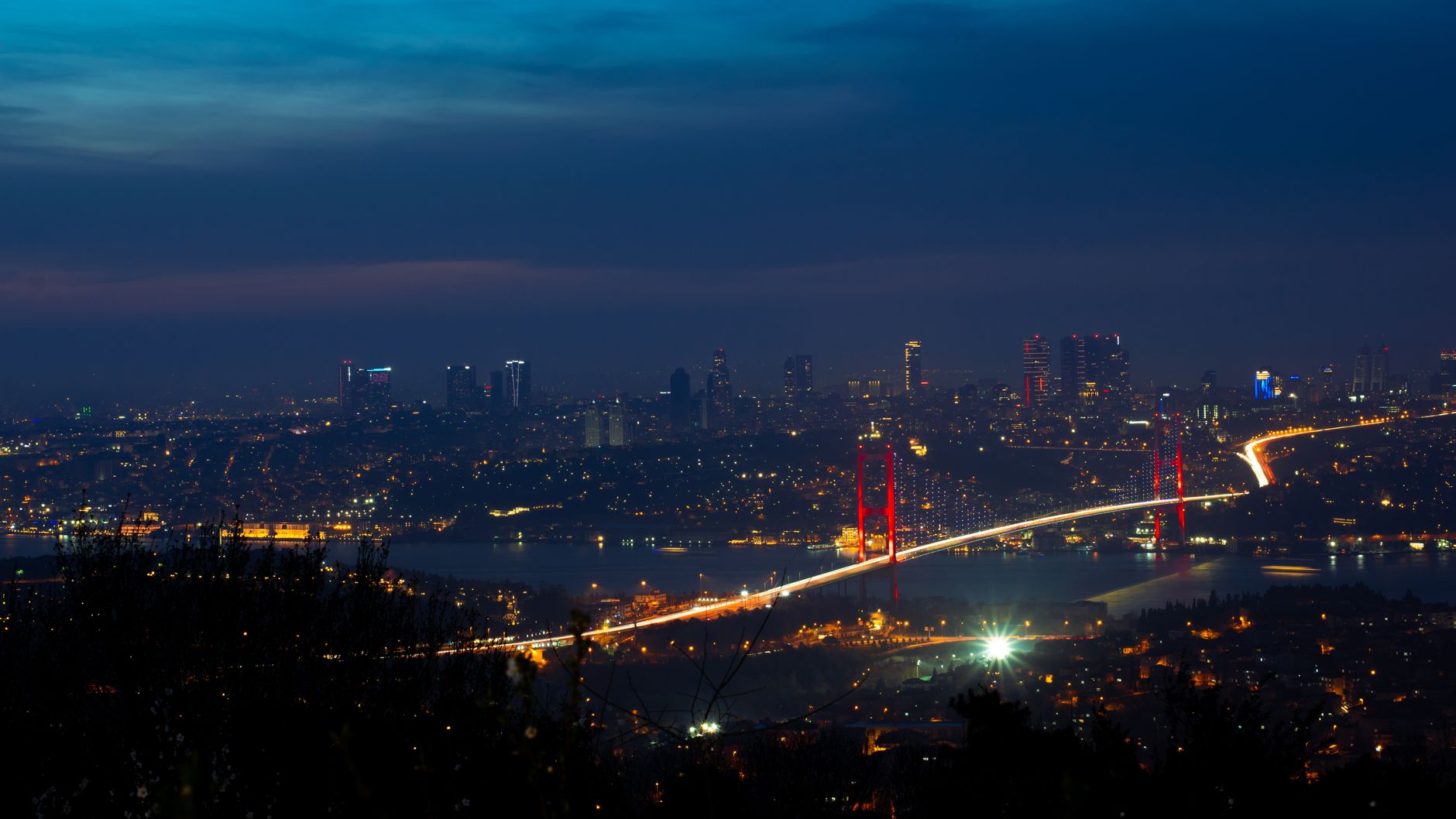
Equally pressing is the future of the Galata Bridge itself. The iconic 1994 structure, which handles roughly 300,000 vehicle crossings daily, requires comprehensive rehabilitation to address structural fatigue and traffic congestion. The decision ahead is not simply whether to renovate—it is whether to combine that work with the proposed tramway modernisation that would narrow vehicle lanes and prioritise public transport. This choice pits the interests of private motorists against transit advocates, with potential congestion implications for the entire Golden Horn corridor.
The third critical juncture involves the Northern Marmara Motorway's final section, which would complete a ring route around the city's periphery. The project promises to redirect transit traffic away from central neighbourhoods like Fatih and Beyoğlu, but environmental assessments have flagged concerns about wetlands disruption near the Black Sea coast. The Municipality must now weigh economic efficiency against ecological preservation—a decision expected by autumn 2026.
What complicates all three decisions is funding. Toll revenue from the Osman Gazi and Fatih Sultan Mehmet bridges, traditionally used to finance major projects, has remained relatively flat despite inflation. International lending partners are increasingly conditional about environmental and social impact assessments, slowing approvals.
City planners are also grappling with demographic shifts. The rapid growth of satellite cities like Pendik and Kaynarca has outpaced infrastructure investment in those areas, making the metro extension politically attractive even as central districts face ageing infrastructure of their own.
By September, the Municipality is expected to present a consolidated transport master plan. That document will reveal which projects advance, which get shelved, and which are reimagined entirely. For commuters, business operators, and residents across the city, those decisions will ripple through daily life for decades.
This article was compiled by AI from the sources linked above and screened before publishing. See our editorial standards.