The announcement came quietly in early June: Istanbul's metropolitan municipality had approved revised zoning regulations for Balat and Fener, two of the city's oldest neighbourhoods. What followed was not quiet at all.
In packed meetings at the Fener Greek Orthodox Patriarchate cultural centre and the Balat neighbourhood association offices, residents expressed alarm at plans that would permit 12-storey residential towers in areas currently capped at six storeys. Property developers have already begun acquiring land, with average prices in Balat jumping from 45,000 Turkish lira per square metre last year to 72,000 this spring.
"The municipality consulted architects and investors," said one long-time Balat shopkeeper, speaking on condition of anonymity. "But where were the people who actually live here?"
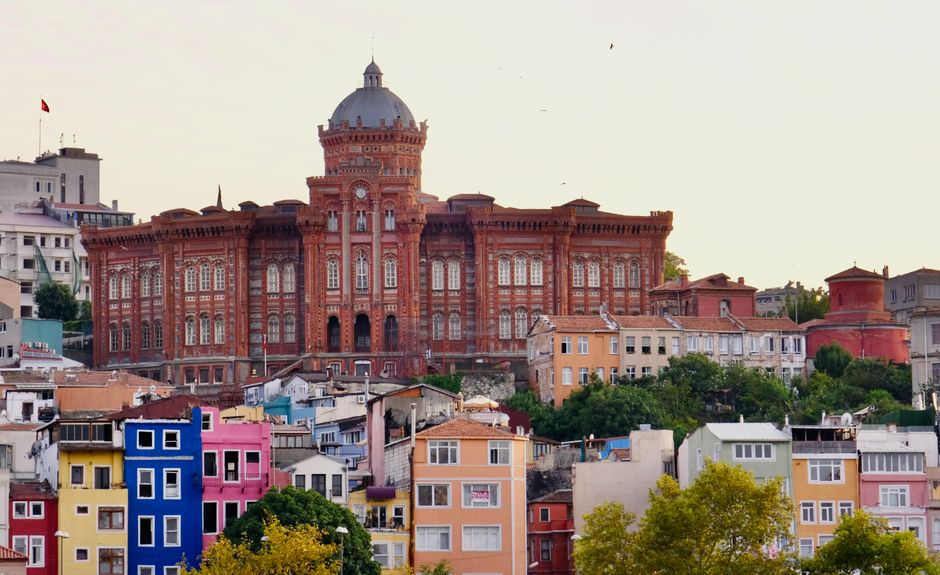
The tension reflects a broader friction in Istanbul's urban planning. The city's population has swelled to over 16 million, creating urgent housing demand. Yet the methods chosen to address it—zoning liberalisation in heritage districts—alarm conservationists and residents alike. Balat and Fener, with their narrow Ottoman-era streets and Byzantine churches, are UNESCO-listed neighbourhoods attracting international tourism worth an estimated 2.3 billion lira annually.
City planners argue the regulations will increase housing supply in central Istanbul, potentially moderating rents across the metropolitan area. Average rents in nearby Beyoğlu have climbed 31 per cent since 2024, pricing out young professionals and families. The municipality's housing report, released in May, warned that without new construction zones, the city faces a shortage of 400,000 units by 2030.
Yet residents point to failed consultation processes. A 45-day public comment period ending in late May drew 3,847 objections, according to municipality records—yet the June approval proceeded unchanged. Community organisations, including the Fener-Balat Residents' Platform and smaller neighbourhood associations, say they were given insufficient time and unclear information about density implications.
"This isn't about opposing development," explained a community organiser at a recent forum in the Balat Cultural Centre. "It's about having real input into how our home changes."
The municipality responded with a statement emphasising the need for housing solutions and noting that projects will undergo individual environmental assessments. Yet as construction cranes increasingly dot the Balat skyline and property advertisements multiply, residents remain sceptical that their concerns will shape outcomes.
The coming months will test whether Istanbul's planning processes can balance growth with livability—or whether the city's character will be rewritten by those with capital rather than those with roots here.
This article was compiled by AI from the sources linked above and screened before publishing. See our editorial standards.